


Top-rated patio cover pros.

Best patio cover pros near Alpine, WY

Enter your zip and get matched with up to 5 pros

Need a pro for your patio cover service project in Alpine, WY?

Select your specific project to find the pro for you.

Top-Rated Patio cover pros in Alpine - Updated Nov 2026

Patio Covers FAQs, answered by experts

Hurricane fabric is a temporary form of hurricane protection that offers an alternative to boarding up windows or installing traditional storm panels. Unlike hurricane screens, which are permanently attached to your home, hurricane fabric is installed over your windows and other openings before a storm.

In terms of effectiveness, hurricane fabric is tested and proven to protect homes from Category 5 hurricanes, which can have winds over 157 miles per hour. When installed properly, it is designed to block the majority of wind and rain and protect against water, debris, and projectile damage.

While the fabric is exceptionally durable, windows can still break if hit directly by flying debris at high velocity. However, it is a good protective measure against an impending storm. For comparison, hurricane fabric is more protective and durable than hurricane window film. While boarding up windows is easier than installing the fabric, it is more labor-intensive and requires storing heavy plywood.

To further increase the chances of your windows surviving a hurricane, you can take additional steps like securing outdoor items, elevating HVAC units, and fortifying your home's foundation.

The cheapest material for covering a tennis court is rubber or clay. Rubber needs to be installed over a concrete or asphalt base, however, which can make the project more expensive up-front (but cheaper to resurface over time). Clay courts are among the most affordable, but they aren’t the best to play on and require a lot of maintenance.

Aluminum patio roofs can make noise during rainstorms, though how much noise they make depends on how heavy it’s raining and if the roof is insulated or not. Light rain falling on your roof might sound soothing but if you live in an area with serious and consistent rainfall, the novelty of the sound might wear off. In any case, the rain you'll hear shouldn't sound louder than a normal conversation or air conditioner, about 50 dB to 55 dB.

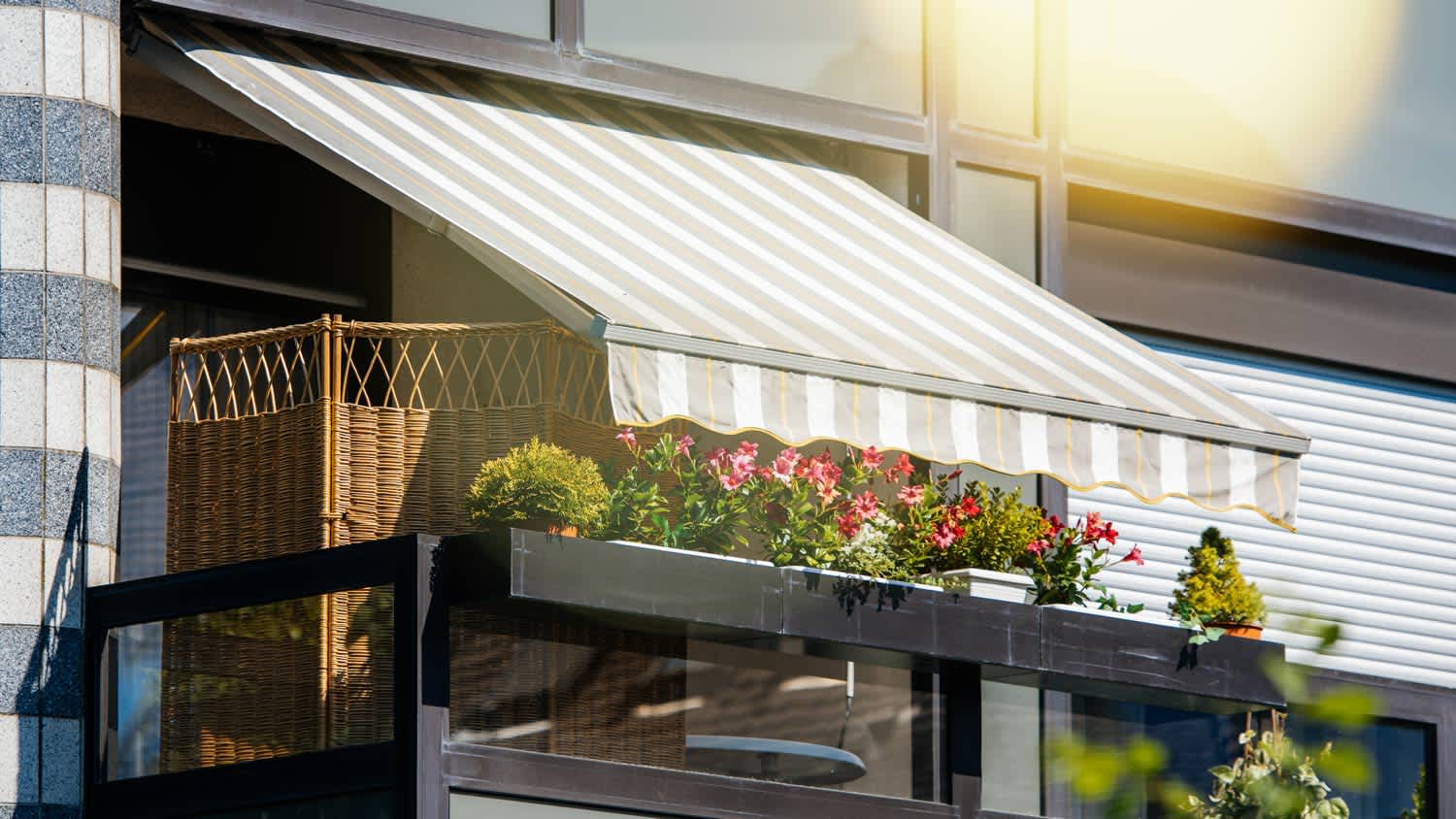
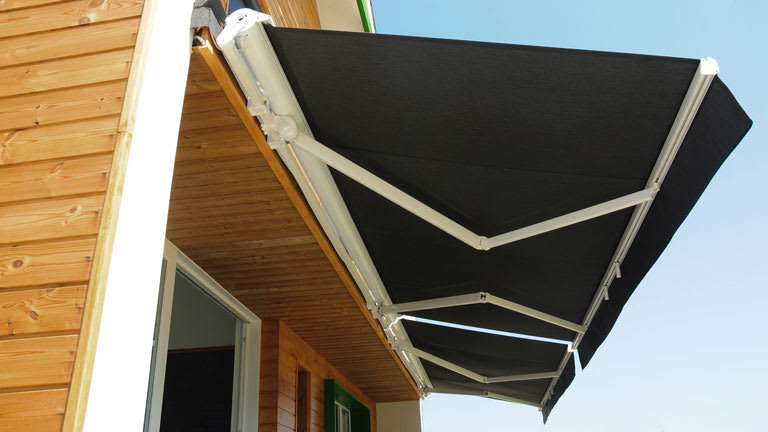
It’s best to keep your awning retracted if winds are 25 miles per hour or more to make sure your awning doesn’t sustain irreparable damage due to wind. Some awnings can take winds up to 30 miles per hour without any damage, but it’s best to consult the manufacturer’s guidance. A good rule of thumb is if it’s too windy for you to comfortably stand outside, it’s time to bring the awning in.

Awnings offer a variety of materials to choose from, each of which has its own benefits. Cotton is a lower-cost option that’s also more eco-friendly because it’s made from natural materials, while acrylic-coated polyester and vinyl offer better durability against harsh weather. Fiberglass and metal are also resilient to weather, although metal can be vulnerable to corrosion without protective sealant. Ultimately, you’ll need to consider your climate and your budget in deciding the best material for your awning.

The Alpine, WY homeowners’ guide to patio cover services

From average costs to expert advice, get all the answers you need to get your job done.