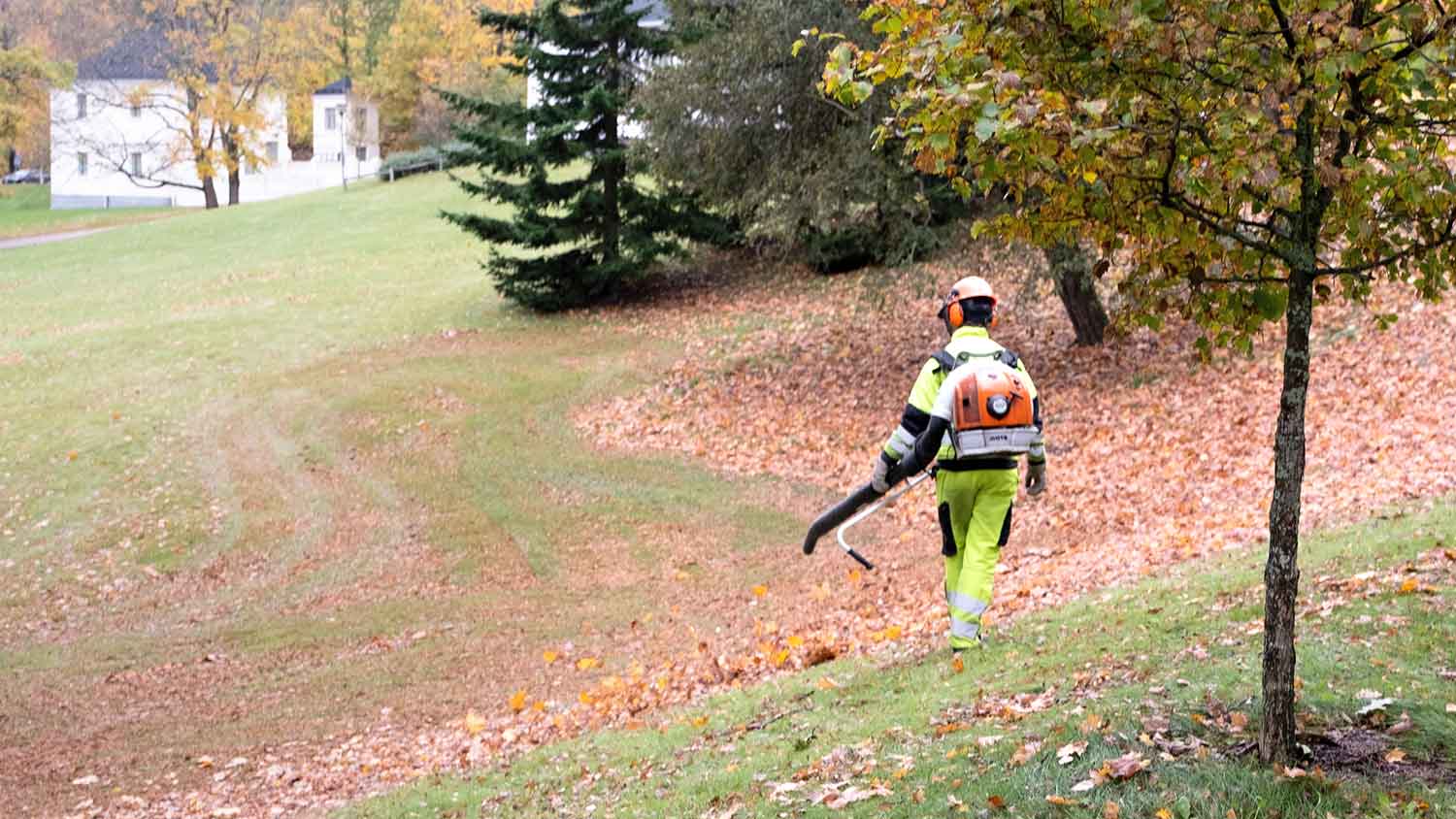
Top-rated leaf removal pros.

Get matched with top leaf removal pros in Weirton, WV

Enter your zip and get matched with up to 5 pros

Need a pro for your leaf removal project in Weirton, WV?

Select your specific project to find the pro for you.

Find Leaf removal pros in Weirton

Kralls Heating & Cooling
New to Angi
Lawn & Yard Waste Clean UpLawn Care - Maintain and Mow a Lawn

Serving Weirton, WV and surrounding areas

Approved

Hello! I’m Joe Krall, an HVAC/R Technician and General Handyman with 5 years of experience.\n\nI specialize in installing and servicing HVAC units, electrical and plumbing work, automobile repair, furniture building, metal fabrication, and landscaping.\n\nI work locally and can travel to nearby areas, bringing my tools and expertise to homes, businesses, and vehicles.\n\nAs a practicing Catholic, I approach every job with honesty, respect, and dedication, treating clients and their property with care.\n\nI take pride in delivering reliable, high-quality work and exceeding expectations.\n\nIf you’re looking for a skilled, dependable, and values-driven professional, I’m ready to help with your next project.

...
Showing 1-10 of 121
Leaf Removal questions, answered by experts

Hazardous waste is waste that poses a threat to human or environmental health. This generally refers to waste that is flammable, corrosive, toxic, or reactive. To confirm if the waste you need to remove is considered hazardous waste, contact your local hazardous waste facility.

According to the Environmental Protection Agency (EPA), hazardous waste is generally classified into four main categories:

1. Characteristic Wastes: These exhibit at least one of four hazardous traits: ignitability (flammable, like gasoline), corrosivity (can rust or decompose materials, like car batteries), reactivity (unstable and can explode, like aerosol cans), or toxicity (harmful when ingested, like lead-based paint).

2. Listed Wastes: These are specific wastes from manufacturing and industrial processes that the EPA has officially designated as hazardous. They include byproducts from processes that use solvents, pesticides, and other chemicals.

3. Universal Wastes: These are commonly generated hazardous items that are subject to streamlined regulations. Examples include batteries, pesticides, mercury-containing equipment (e.g., bulbs), and some lamps.

4. Mixed Wastes: This category includes waste that contains both hazardous and radioactive components, making it subject to regulation by both the EPA and the Nuclear Regulatory Commission.

Follow recommendations for removal or remediation to ensure a safe living environment.

If your home was built before 1978, there’s a chance that any paint on your hardwood floors could be lead paint—especially if it was already there when you moved in. Because lead is toxic, hiring a licensed pro to remove it is mandatory. The average price for professional lead paint removal ranges from $1,500 to $5,300 and depends on the scope of the project.

You should ask a few questions to ensure that your potential lead removal professional is experienced and qualified to handle lead-paint abatement safely, legally, and properly.

  • What are your qualifications and experience removing lead-based paint?

  • Are you licensed and certified to remove lead-based paint?

  • How do you test for lead paint?

  • What methods do you use for lead-based paint abatement?

  • What do you plan to do with the hazardous material when you remove it from the home?

  • Do you do replacement and painting work or removal only?

The Weirton, WV homeowners’ guide to leaf removal services

From average costs to expert advice, get all the answers you need to get your job done.