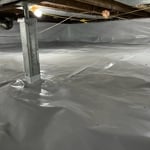
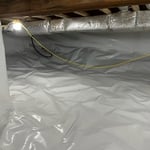
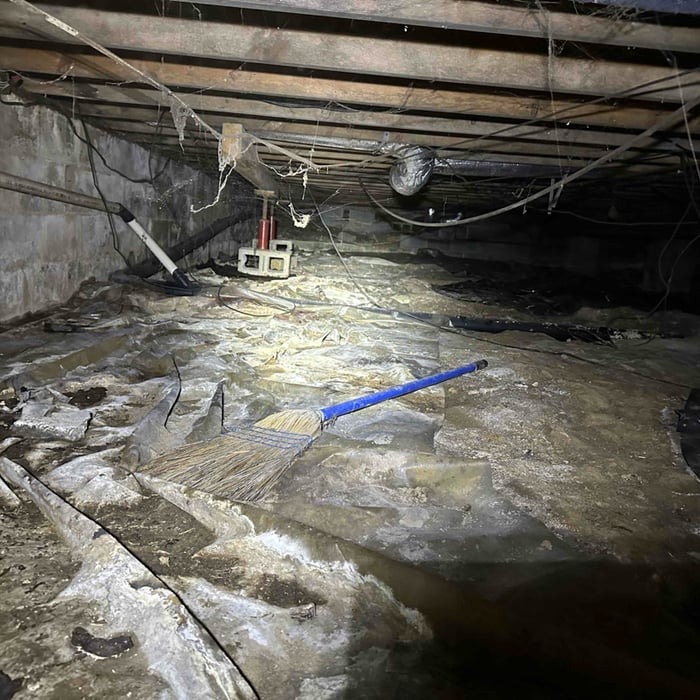
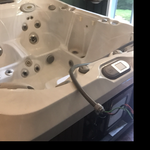
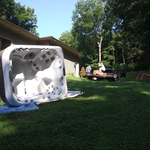
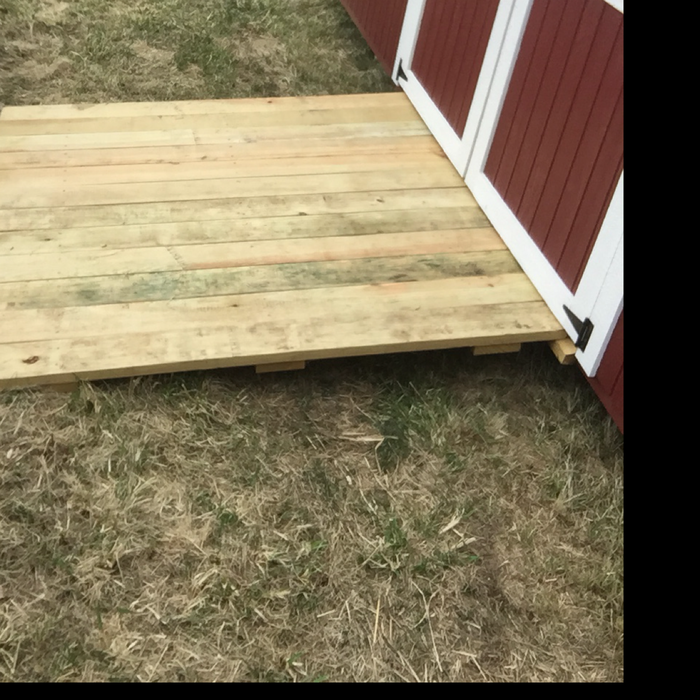
"Turns out with the way the house was built the foundation cannot be fixed because parts of the house was built on concrete while the rest was built on the ground."
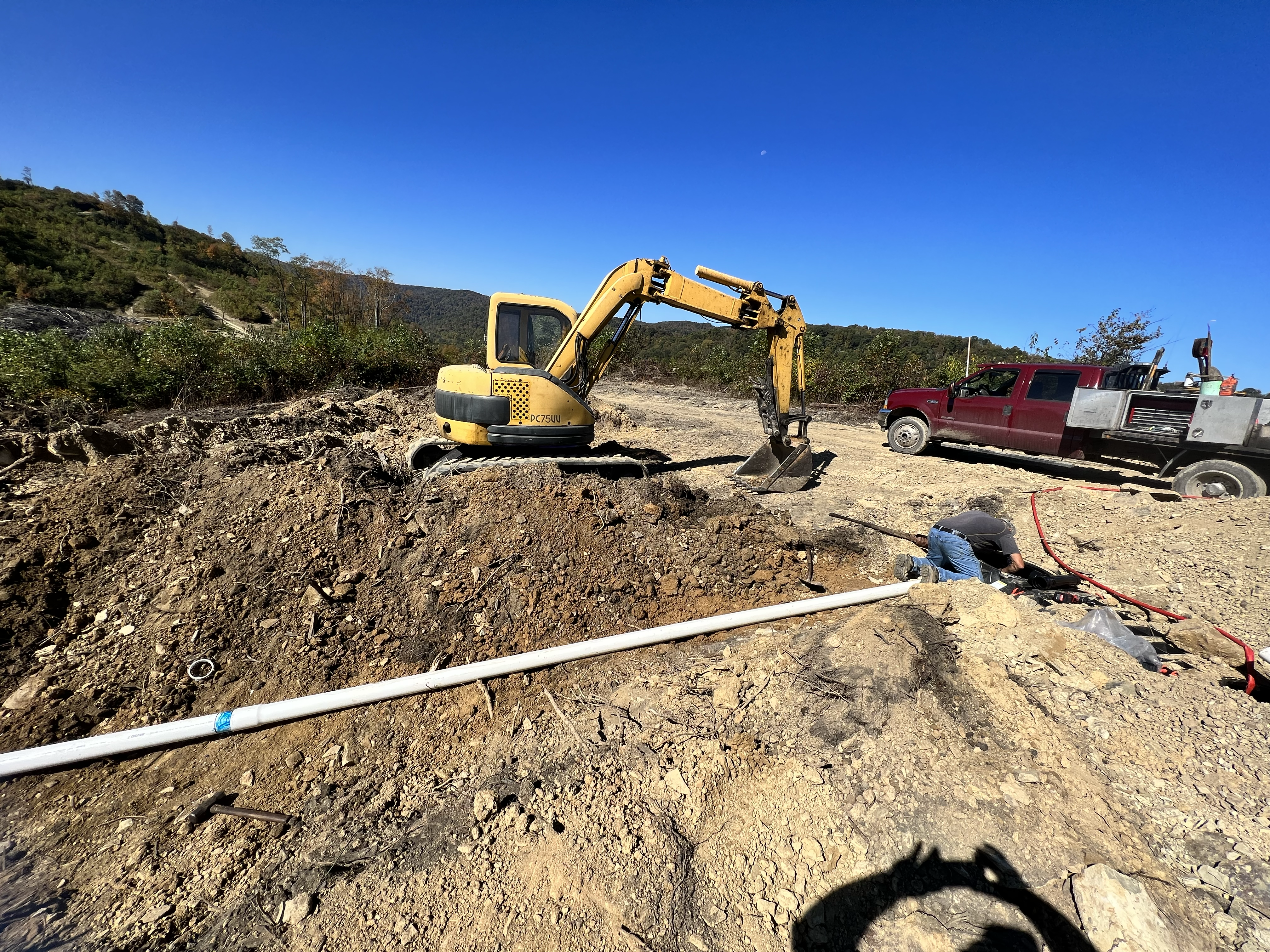
We offer class 1 and class 2 septic systems septic system repairs drive way installation yard grading foundation digging under ground utilities land clearing brush hogging and stump grinding \n
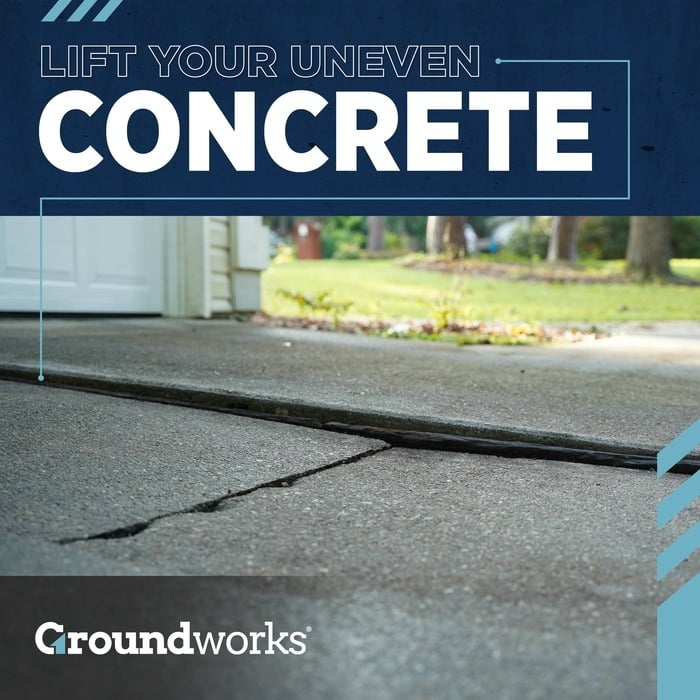
Concrete Mudjacking questions, answered by experts
Yes, expanding foam (also known as polyurethane foam) can lift concrete. This approach, called polyjacking, involves injecting the foam rather than concrete slurry to fill voids and raise the concrete slab back into place. It’s often faster and requires smaller drill holes than traditional mudjacking, though it may come at a higher cost. Some contractors also prefer polyjacking over mudjacking for more damaged and delicate slabs.
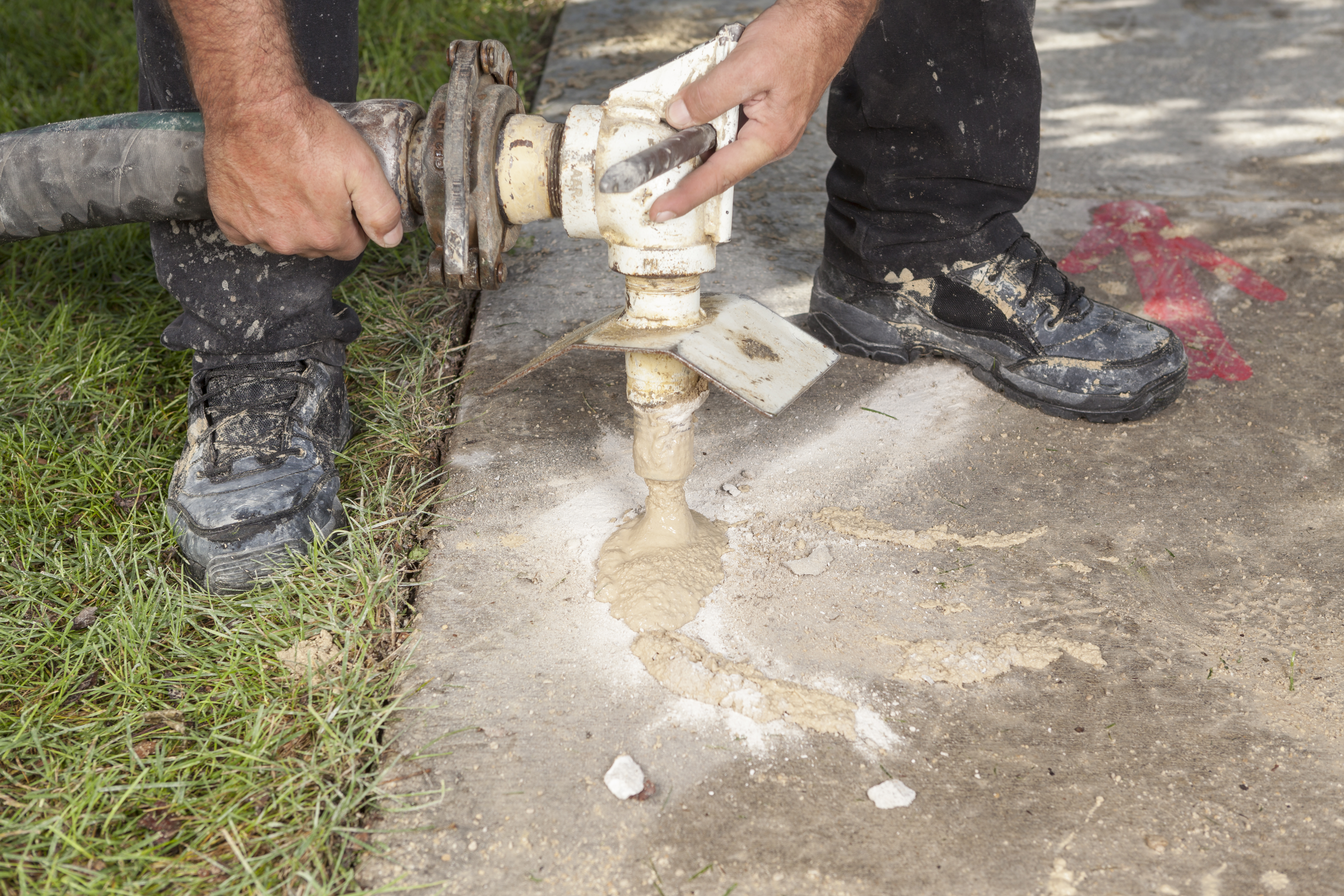
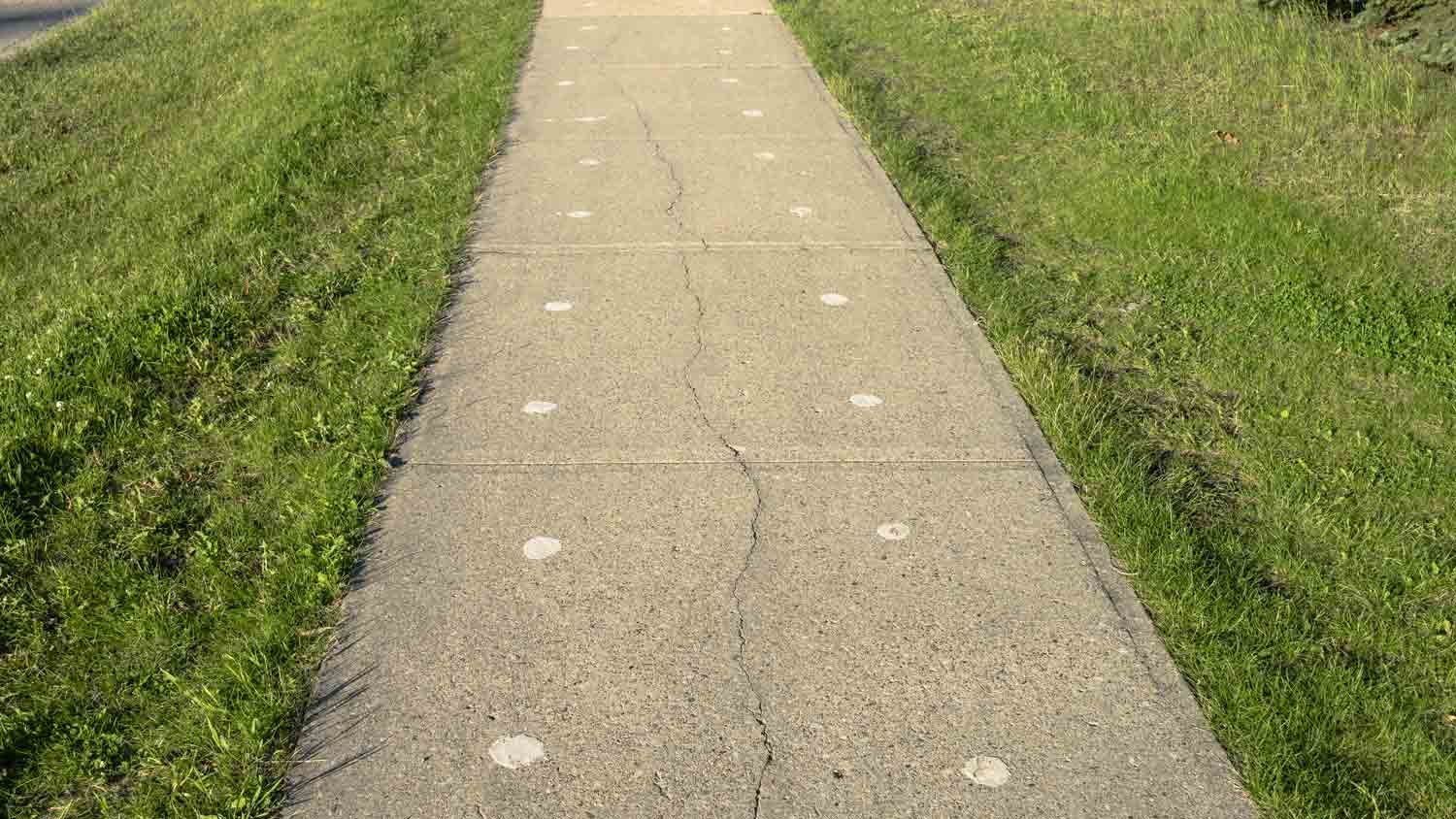
Mudjacking restores level surfaces, prevents further damage, and is more cost-effective than a full replacement.
Address drainage issues, avoid heavy loads, and seal cracks to prevent future settling.
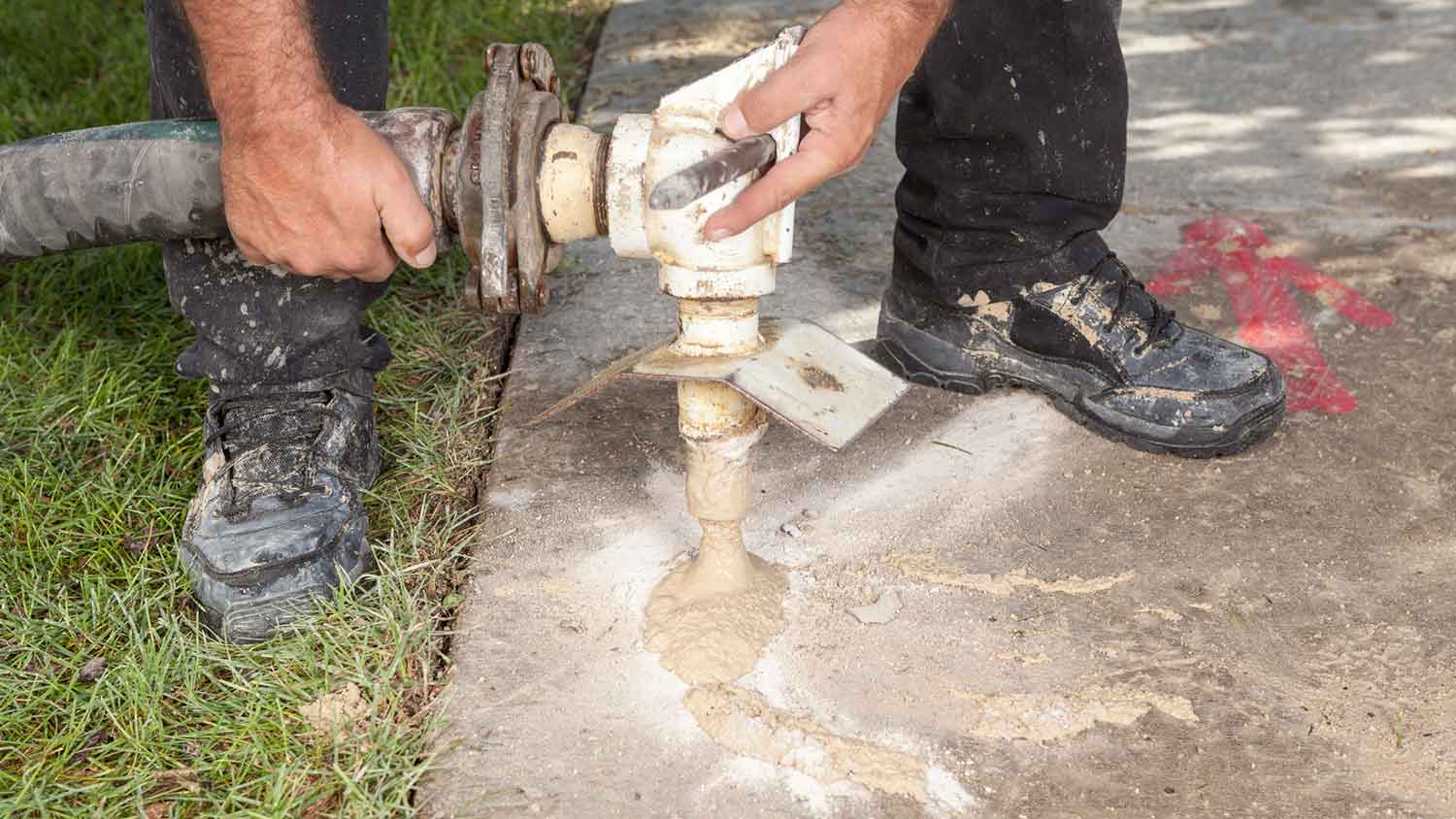
A slurry of cement, sand, and water is injected beneath the concrete to lift and stabilize it.
It’s best not to perform mudjacking in the winter unless the ground temperature remains above freezing. Freezing temperatures can cause the slurry to harden too quickly, compromising its strength and longevity. Concrete is also more susceptible to cracking and splitting in cold temperatures, so there’s a higher risk of damaging the slab during the drilling and lifting process in winter.
The Rock Cave, WV homeowners’ guide to concrete mudjacking services
From average costs to expert advice, get all the answers you need to get your job done.
DIY mudjacking is an advanced task, but learning how to raise a concrete slab is great to know for many scenarios. Let's take a look at how to DIY mudjack.
Sunken concrete can be a structural issue, but a professional can easily repair it. Ask these concrete injection leveling and mudjacking questions before you hire.