




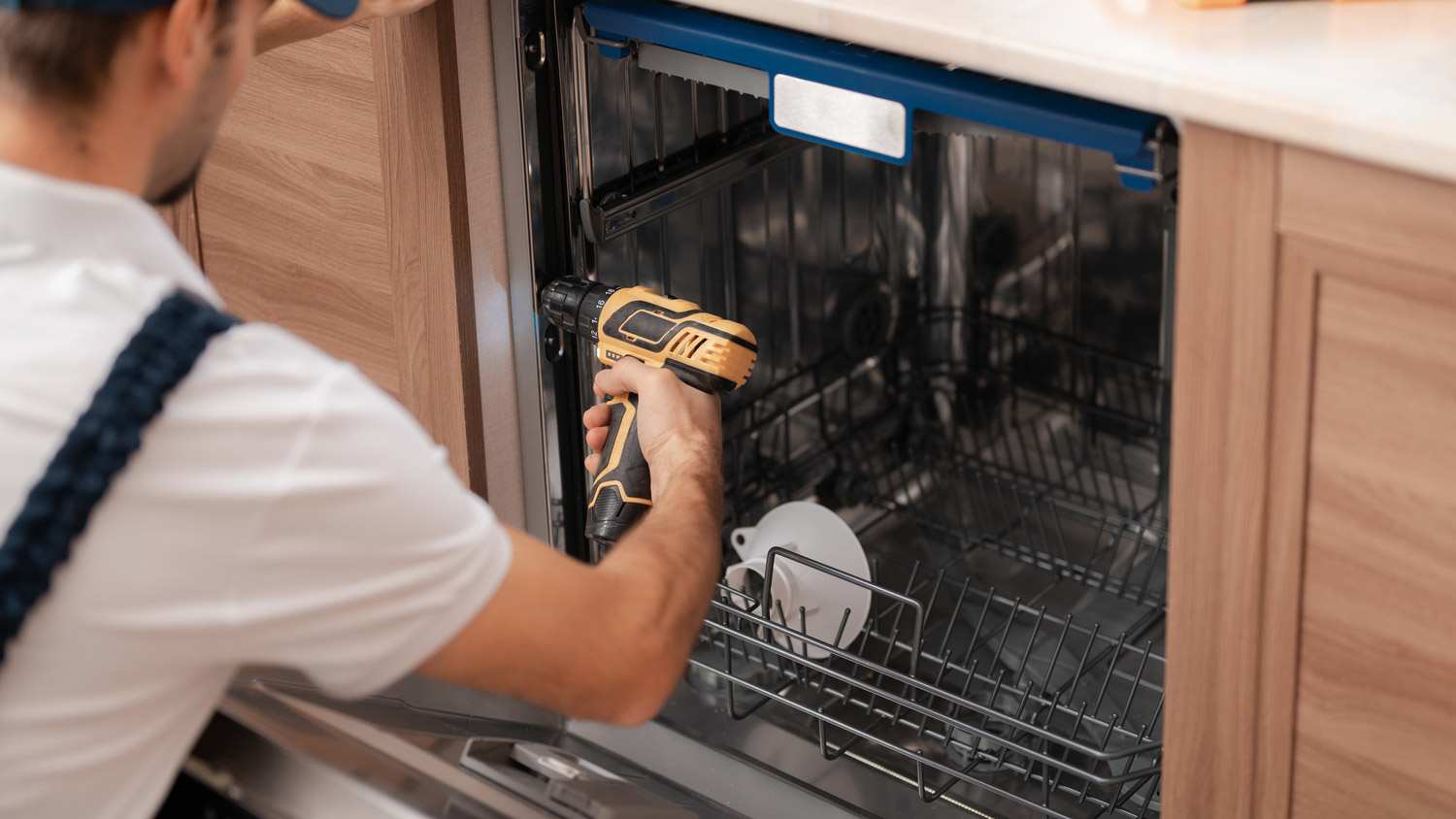
Top-rated dishwasher installation pros.

Get matched with top dishwasher installation pros in Flatwoods, WV

Enter your zip and get matched with up to 5 pros

Need a pro for your dishwasher installation project in Flatwoods, WV?

Select your specific project to find the pro for you.

Find Dishwasher installation pros in Flatwoods

No results for Dishwasher installation pro in

Try adjusting your search criteria.
Dishwasher Installation questions, answered by experts

If your dishwasher isn’t draining, some common causes include a clogged drain filter, drain hose, or air gap. Also, if you have a garbage disposal, a clog in the disposal can back up your dishwasher since they share plumbing, as can a clog in your kitchen sink’s plumbing. A handy DIYer may be able to figure out how to unclog a dishwasher, but you may need to call in a plumber if you can’t locate and clear the clog yourself.

Yes, if your filter is damaged or simply too debris-filled to be of use, replace it with a new component. Check the instruction manual that accompanied the dishwasher for information as to the specific part. There are many online marketplaces that sell these parts, but perform due diligence to ensure you buy the right one.

A dishwasher filter should be replaced every five years, depending on the manufacturer's recommendations and the frequency of use. The exact timing can vary based on factors such as the hardness of your water, how well you rinse dishes before loading them, and how often you clean the filter. Regularly inspect the filter for signs of wear and tear or damage. If the filter appears worn out, damaged, or excessively clogged despite regular cleaning, it should be replaced sooner.

To create a siphon break and remove any chance of dirty sink water or water that backs up into the sink from getting into your dishwasher, your dishwasher drain hose needs to have a high loop or an air gap device as part of its installation. All building codes require at least a high loop. In many places, it’s necessary to install an air gap device to meet the code.

You should avoid using a pressure washer on any surface or item that could be damaged by the high-pressure spray, as some materials are too delicate to withstand the force.

Key items and surfaces to avoid include:

  • Electrical Components: Never pressure wash electrical systems, as water can cause short-circuits and create a safety hazard. This includes utility meters, breaker boxes, electrical outlets, generators, and HVAC or air conditioner units.

  • Delicate and Fragile Materials: Fragile items can crack, shatter, or be stripped by the pressure. Avoid pressure washing windows, glass, light fixtures, shingled roofs (especially asphalt), and stucco.

  • Painted, Stained, or Sealed Surfaces: Unless your goal is to strip the finish, do not pressure wash painted surfaces, stained wood (like decks), or anything with a protective seal that could be stripped away. Be especially cautious with older surfaces that may contain lead paint.

  • Soft Woods and Certain Decking: Delicate surfaces like softwood, composite decking, and antique or wooden patio furniture can be etched or damaged. If you must wash wood, use a lower-powered pressure washer with a wide-angle nozzle to prevent damage.

  • Living Things: Never use a pressure washer on people, pets, or plants. The force can cause serious injury and will destroy landscaping.

The Flatwoods, WV homeowners’ guide to dishwasher installation services

From average costs to expert advice, get all the answers you need to get your job done.