






Top-rated bird control service pros.

Get matched with top bird control service pros in Wauzeka, WI

Enter your zip and get matched with up to 5 pros

Need a pro for your bird control service project in Wauzeka, WI?

Select your specific project to find the pro for you.

Find Bird control service pros in Wauzeka

Avatar for Bat Masters
Bat Masters
5.0(
21
)
Pest Control - Birds and BatsPest Control - Birds and Bats - For Business

Serving Wauzeka, WI and surrounding areas

Approved

In business since 2016

Emergency services offered

Warranties offered

"I can’t say enough about the professional service we received from Bat Masters. They responded incredibly quickly when we needed bats removed so that we could proceed with the sale of our home. They even came out on a weekend to get the job done. They showed up exactly as promised and were very thorough in locating and sealing all of the potential entry points around our home, as well as taking the appropriate measures to remove the bats. They also confirmed that there was no damage requiring further attention, which gave us great peace of mind. Throughout the entire process, they were professional, knowledgeable, friendly, and responsive. I wouldn’t hesitate to call Bat Masters again or recommend them to anyone needing bat removal services."
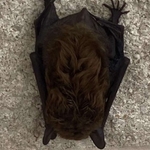
The Bat!
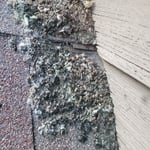
Where they are...
Where they are...
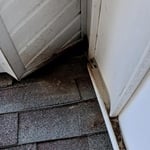
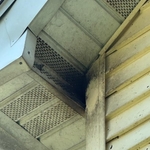
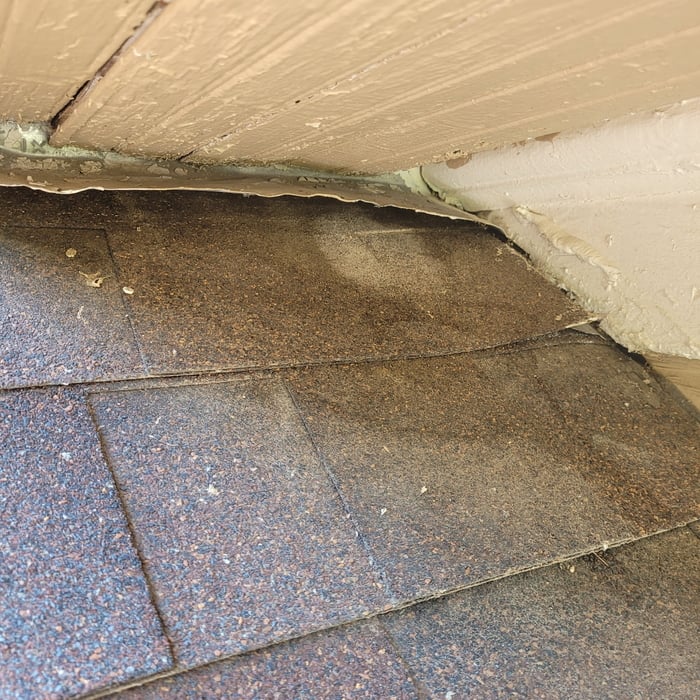
Bat exclusion
Bat exclusion

+135

10 neighbors recently requested a quote

Bird Control questions, answered by experts

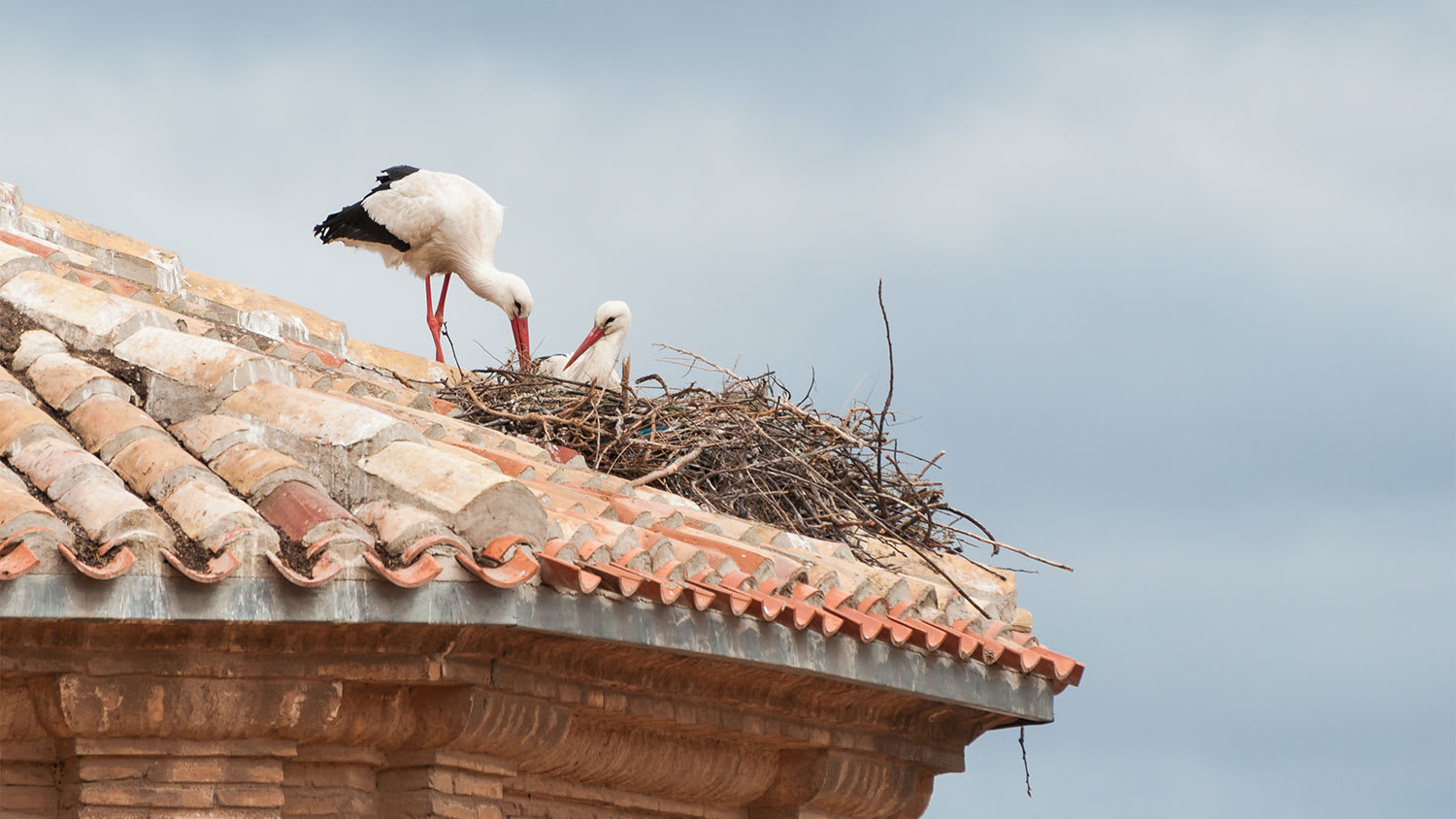
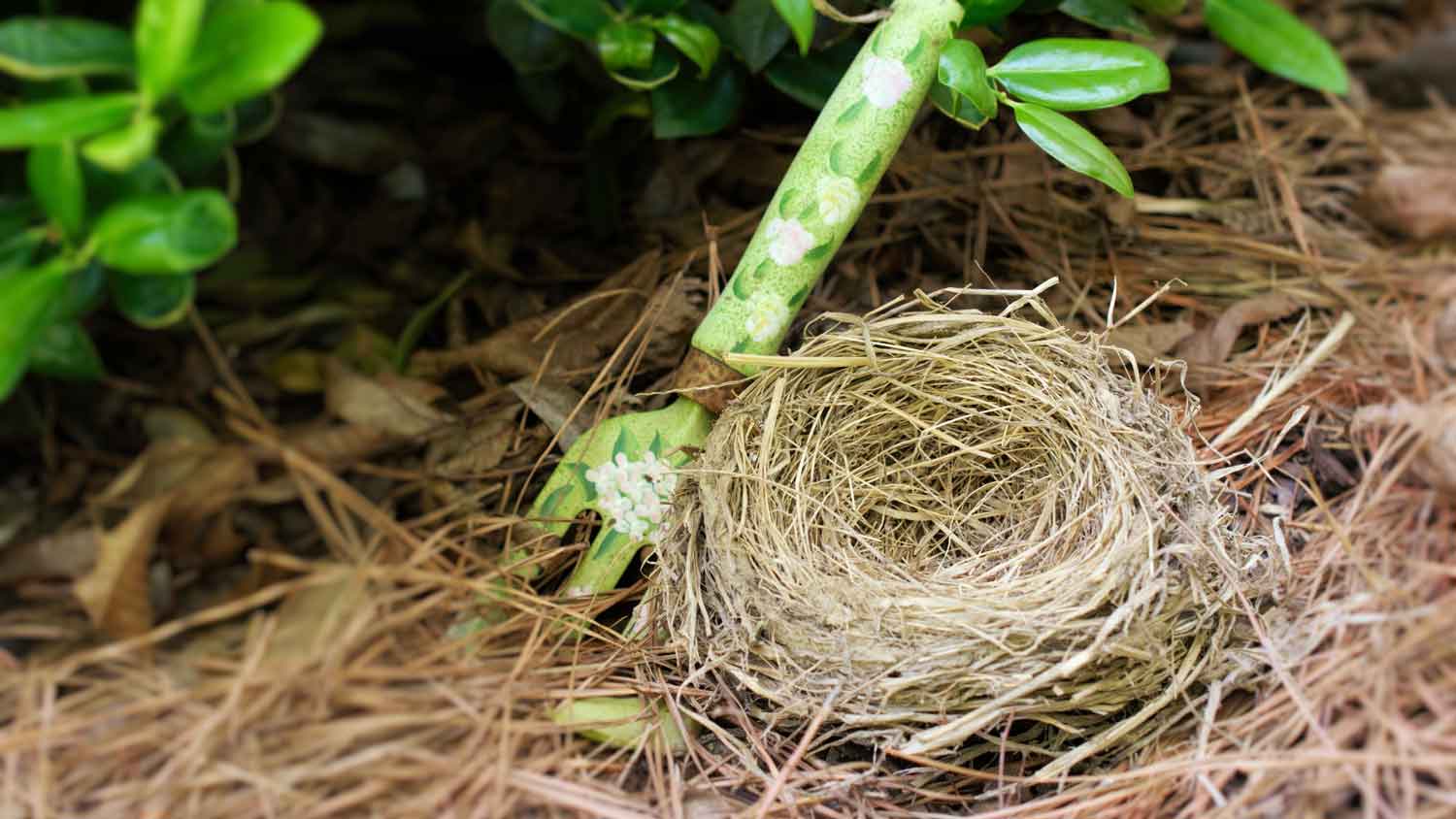
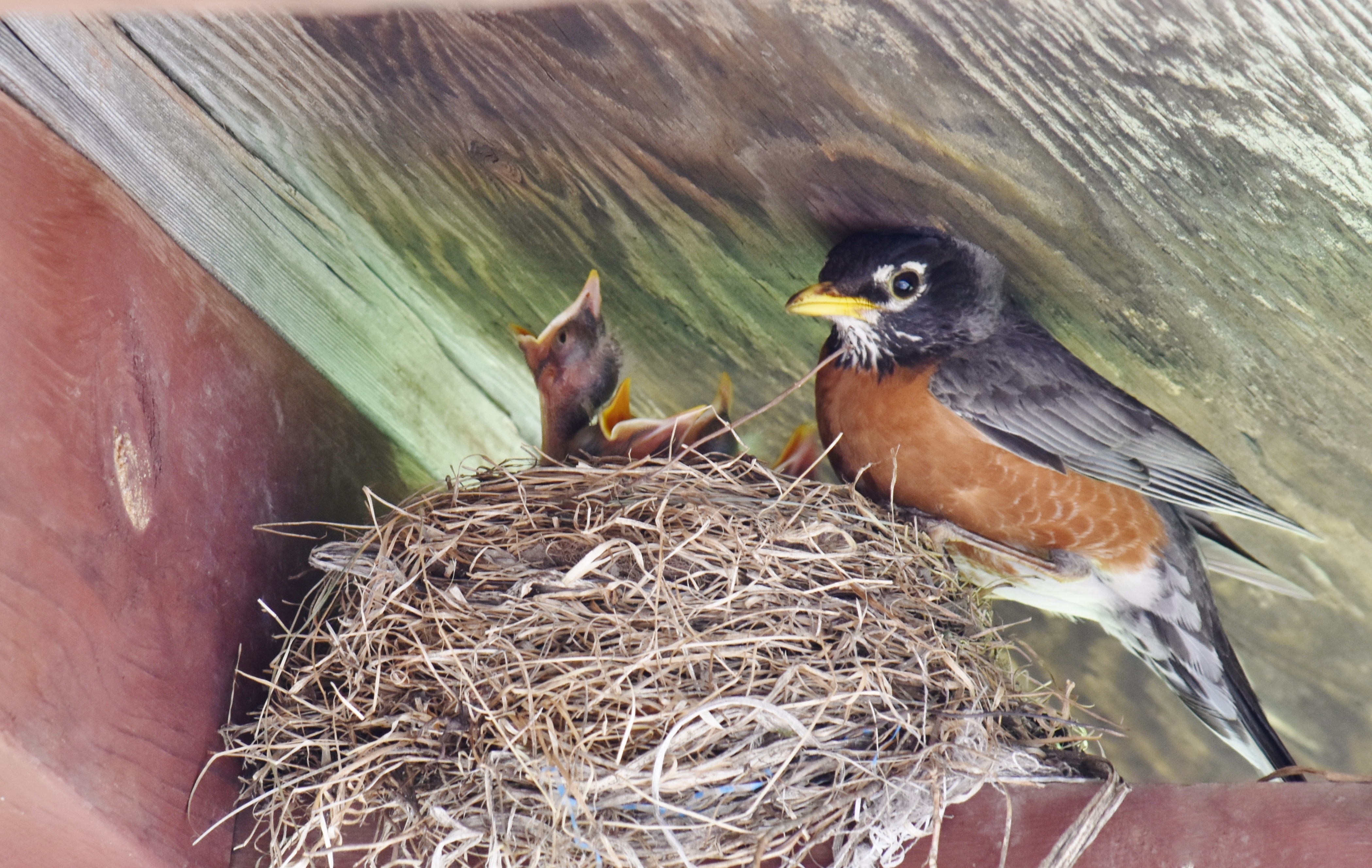
The lifespan of a bird's nest depends on the species. The building process can take from two days to three weeks. Once built, the nesting period for baby birds can last from two to ten weeks before they leave the nest. While most young birds are ready in two to six weeks, some predatory species may need up to two and a half months. Some species nest four to five times per year, so a nest could remain in use for several months. For specific information about a particular nest's longevity, it is best to consult a wildlife professional.

Yes, it’s possible for bats in your attic to find a way into your living spaces. Until you can properly remove the bats, the best course of action is to keep the attic doors closed and any holes sealed. Evidence suggests bats follow the airflow in your home, so they may try escaping from the attic to other parts of the house.

It can be difficult to know what type of animal is in your attic until you see it. But several clues can help you narrow down the suspects:

  • Sounds: Smaller animals like rats and mice make scurrying and tapping/gnawing sounds. Larger animals like raccoons and opossums make louder clambering noises. Also, note when animals are noisy: Squirrels are active during the day, while rats are busiest at night.

  • Droppings: Rats and mice leave small, rice-shaped droppings (the rat’s version is significantly larger). Bigger droppings belong to larger critters like raccoons. As long as you’re not squeamish, an image search can help you identify what you’re seeing in your attic.

When in doubt, take photos of damage or other evidence and show them to an experienced pest control pro.

Both spikes and loose nets can be installed over nest sites to prevent the bird from returning, but nets are not a humane option since birds and other wildlife can get tangled in them. 

Spikes are a humane alternative that deter nesting without harming the birds. In small areas, like vents, a very fine mesh net can be installed to prevent the bird from returning. These nets don't generally pose a risk to the birds.

This depends on if their needs are being met. They'll likely return night after night if they have access to food, water, and adequate shelter. If this changes, they’ll look for another roosting spot. This is why bright lights and other dissuading factors often work when removing bats from a property.

The Wauzeka, WI homeowners’ guide to bird control services

From average costs to expert advice, get all the answers you need to get your job done.