






Top-rated bird control service pros.

Get matched with top bird control service pros in Waupaca, WI

Enter your zip and get matched with up to 5 pros

Need a pro for your bird control service project in Waupaca, WI?

Select your specific project to find the pro for you.

TRUSTED BY WAUPACA, WI HOMEOWNERS

  • Average homeowner rating star icon4.8
    Average homeowner rating
  • Verified reviews icon18
    Verified bird control services reviews

Find Bird control service pros in Waupaca

Bird Control questions, answered by experts

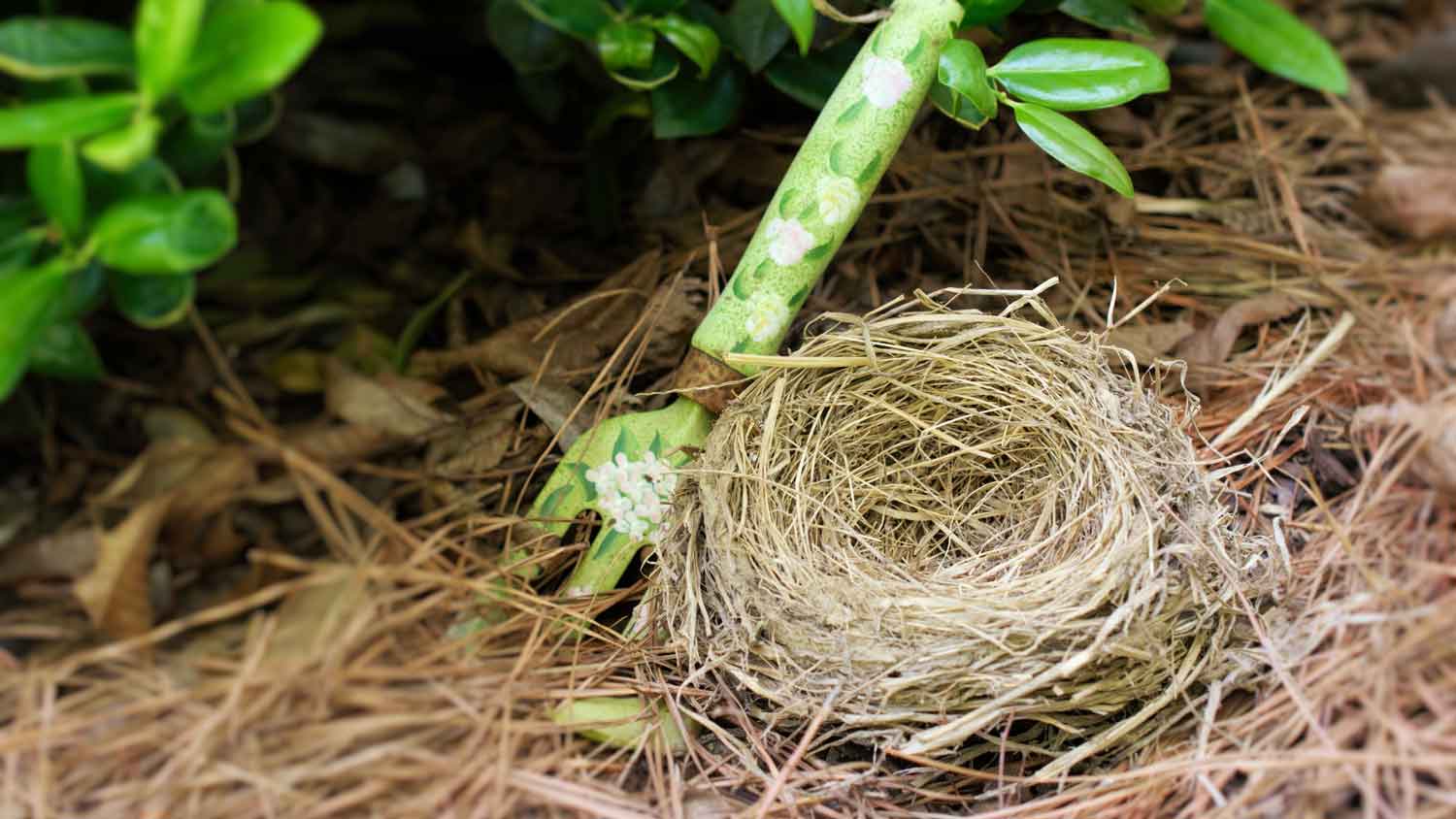
The lifespan of a bird's nest depends on the species. The building process can take from two days to three weeks. Once built, the nesting period for baby birds can last from two to ten weeks before they leave the nest. While most young birds are ready in two to six weeks, some predatory species may need up to two and a half months. Some species nest four to five times per year, so a nest could remain in use for several months. For specific information about a particular nest's longevity, it is best to consult a wildlife professional.

A treatment from a pest control service can last anywhere from 3 to 6 months, depending on the type of treatment, what pest it’s treating, and what environment you live in. This is why pest control service companies often offer packages where they come out multiple times a year to apply treatment to the outside or inside of your home.

Yes, it is generally safe to return to your house once the pest control professionals have granted permission. Keep in mind that you’ll only need to evacuate your home during extreme pest control treatments, such as whole-home fumigation, while more minor treatments don’t require leaving. When you return home, be sure to follow the pest pro’s instructions carefully, especially those surrounding wait times and safety precautions.

Yes, it’s possible for bats in your attic to find a way into your living spaces. Until you can properly remove the bats, the best course of action is to keep the attic doors closed and any holes sealed. Evidence suggests bats follow the airflow in your home, so they may try escaping from the attic to other parts of the house.

An owl's worst enemy in the wild is often other raptors and environmental factors. Among the avian threats, larger owls or other birds of prey can pose a danger, engaging in territorial disputes or competing for food resources. Terrestrial predators like foxes, raccoons, and larger mammals may target owl nests or young fledglings. Environmental factors like severe weather conditions, habitat loss, and food availability changes can also significantly impact owl populations.

The Waupaca, WI homeowners’ guide to bird control services

From average costs to expert advice, get all the answers you need to get your job done.