




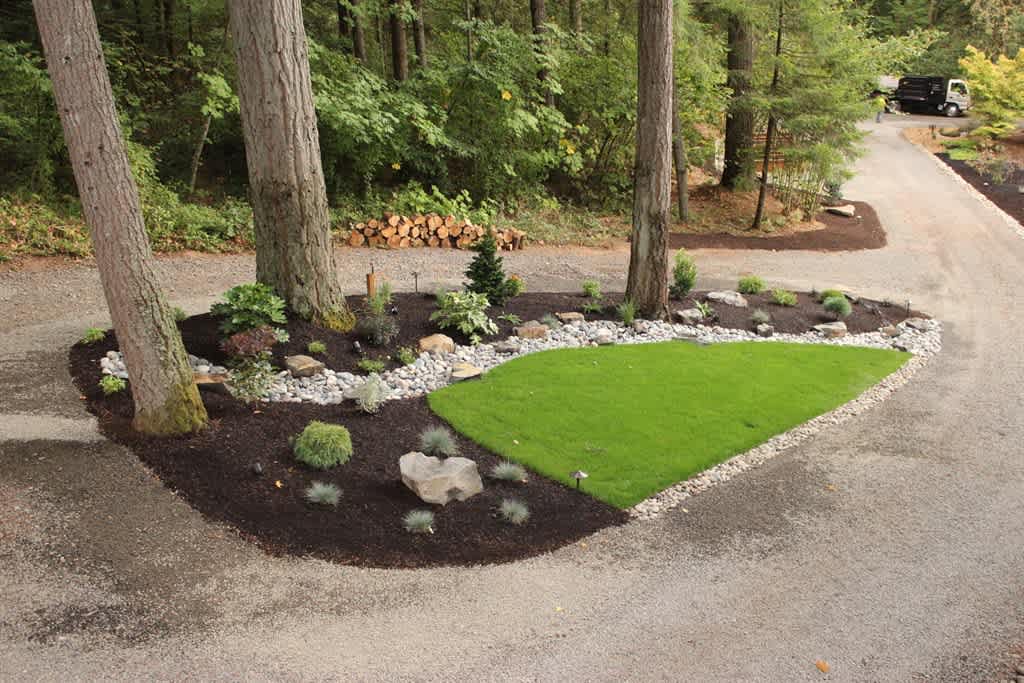
The cost of a tar and chip driveway falls between gravel and asphalt. Is this unique process the happy medium you've been looking for? Let's take a look.

 4.8
 49
*The Angi rating for Brush Chipping companies in South Range, WI is a rating based on verified reviews from our community of homeowners who have used these pros to meet their Brush Chipping needs.
*The HomeAdvisor rating for Brush Chipping companies in South Range, WI is a rating based on verified reviews from our community of homeowners who have used these pros to meet their Brush Chipping needs.
Last update on September 18, 2025
From average costs to expert advice, get all the answers you need to get your job done.
The cost of a tar and chip driveway falls between gravel and asphalt. Is this unique process the happy medium you've been looking for? Let's take a look.
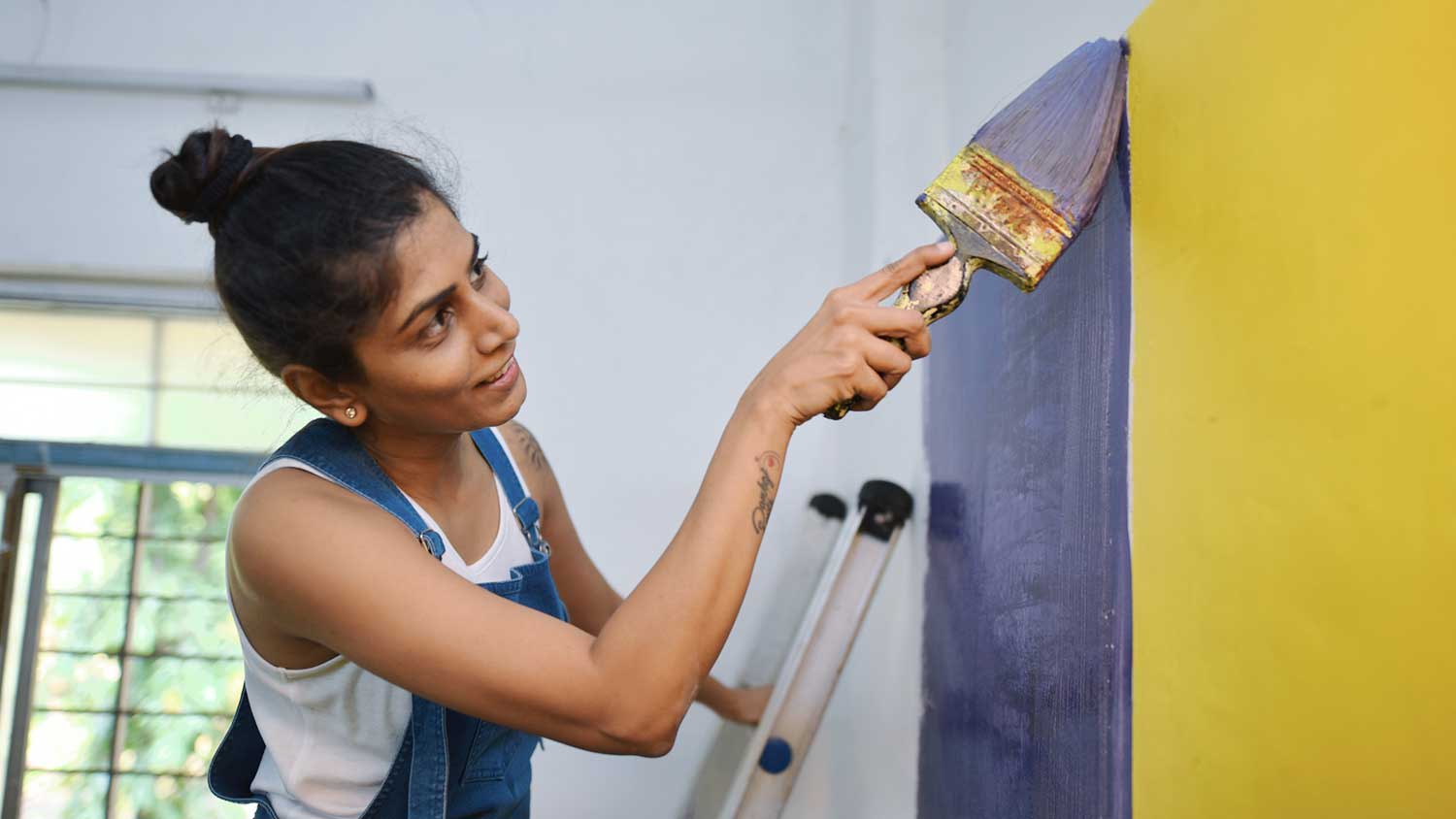
Cleaning your paint brushes immediately after you use them is best. Learn how to clean paint brushes, whether using water or oil-based paint.
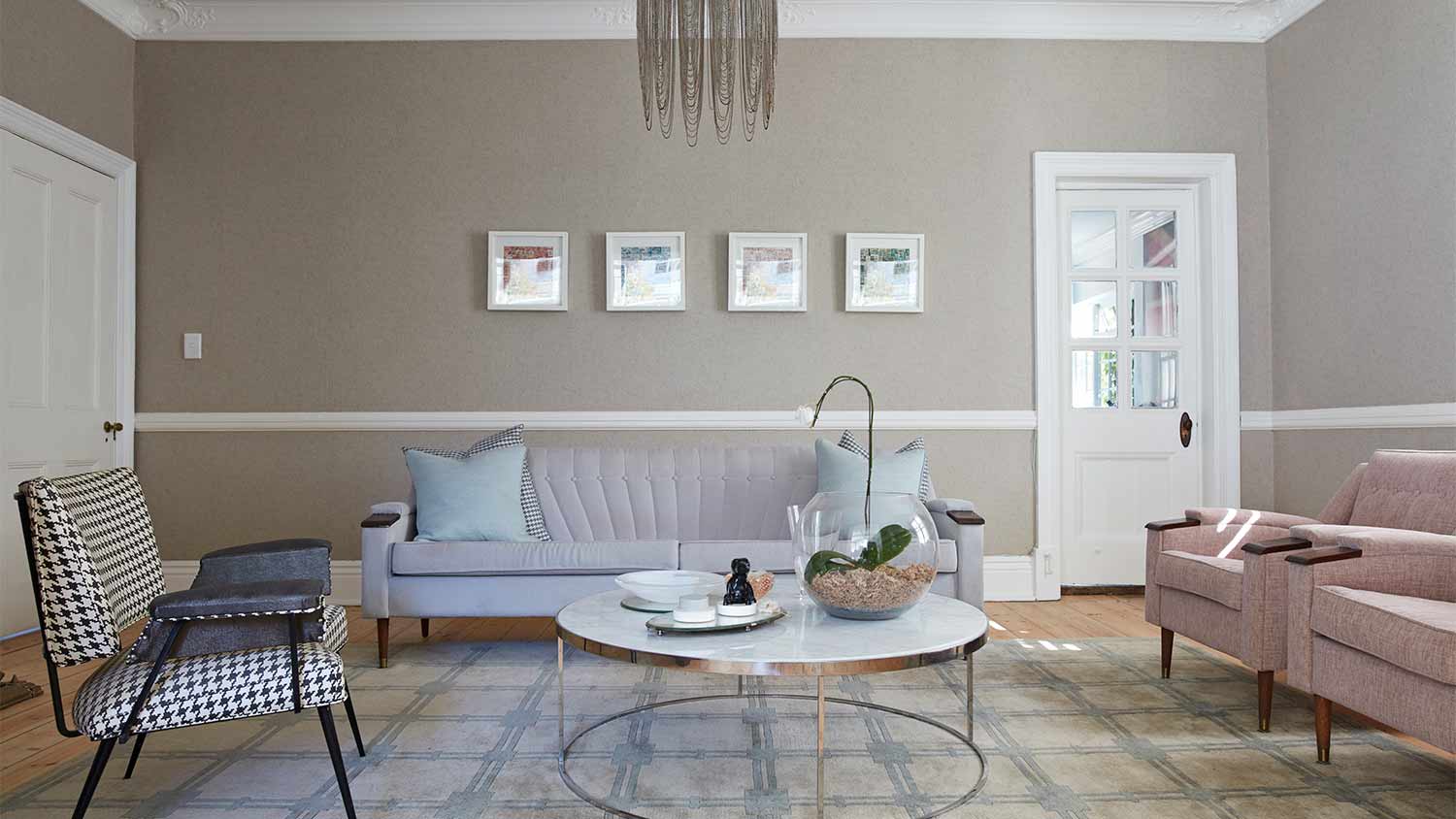
You can use several kinds of brushes for baseboards and trim painting. Discover which brush is best to paint trim work in every situation.
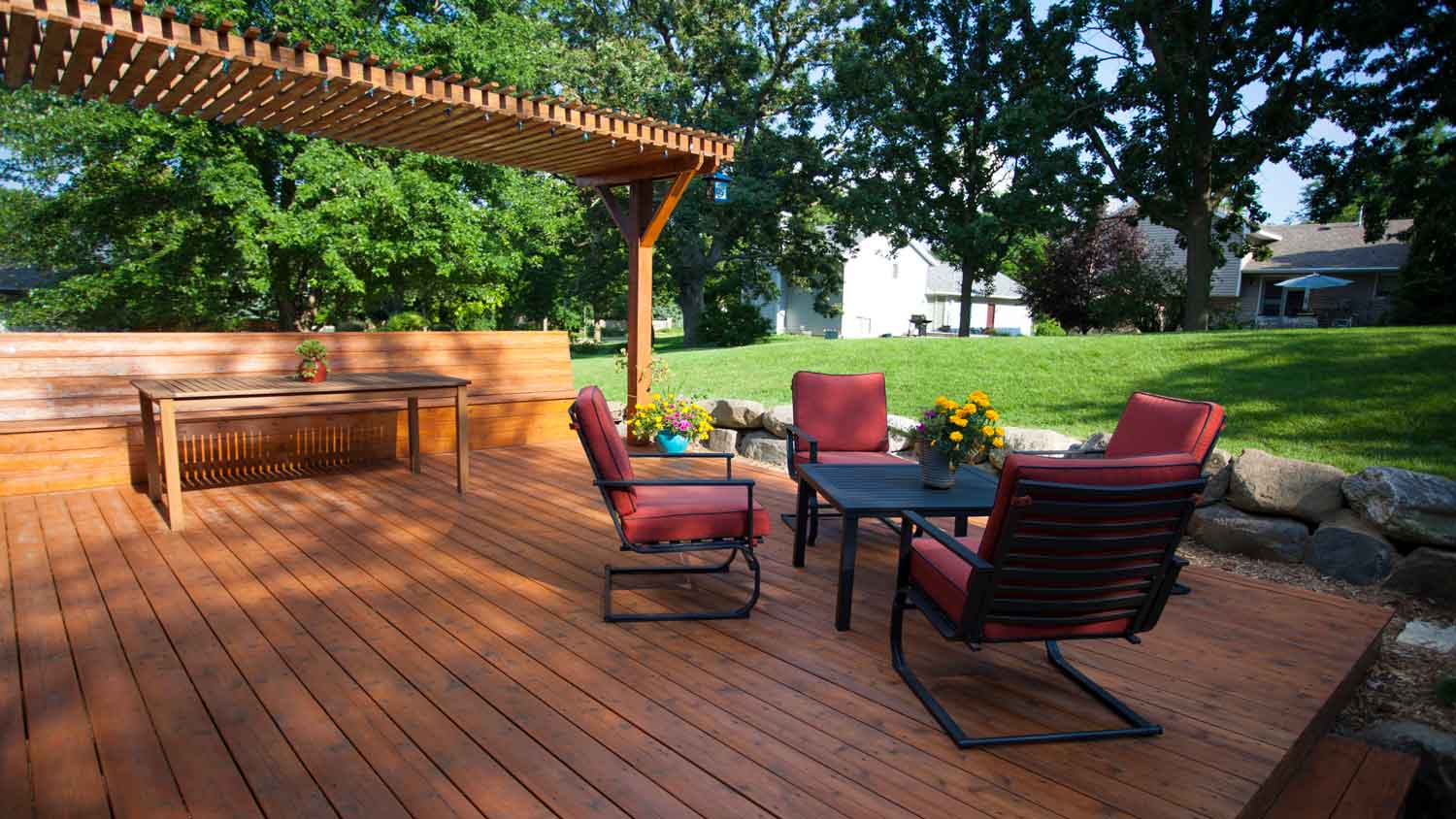
If your painted deck is less than appealing, it's time for a refresh. DIY your paint removal from your deck to enjoy your outdoor space for many seasons.
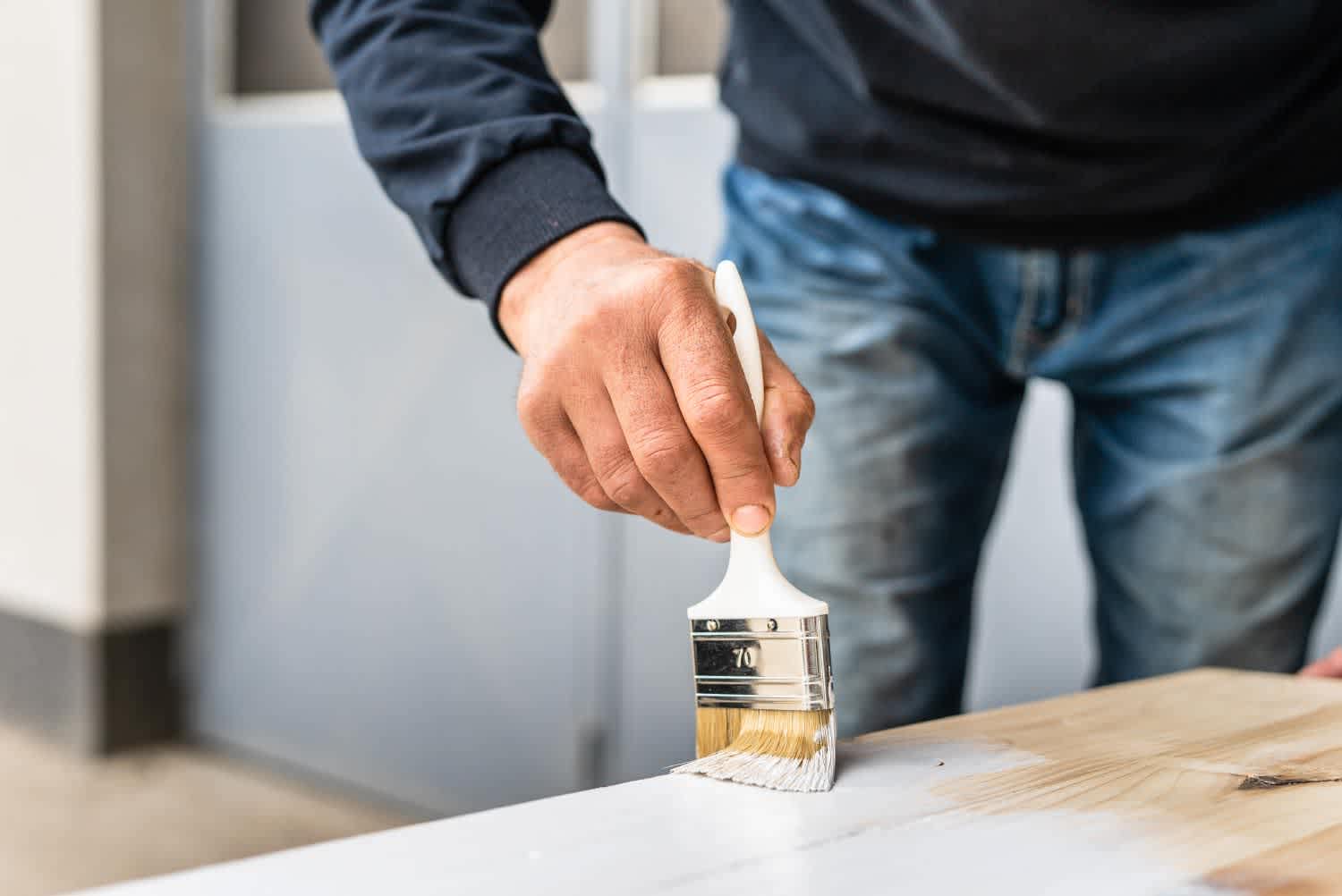
Conditioning your paint brushes is a surefire way to ensure they last a long time. Check out these six tips to sustain the life of your paint brushes.
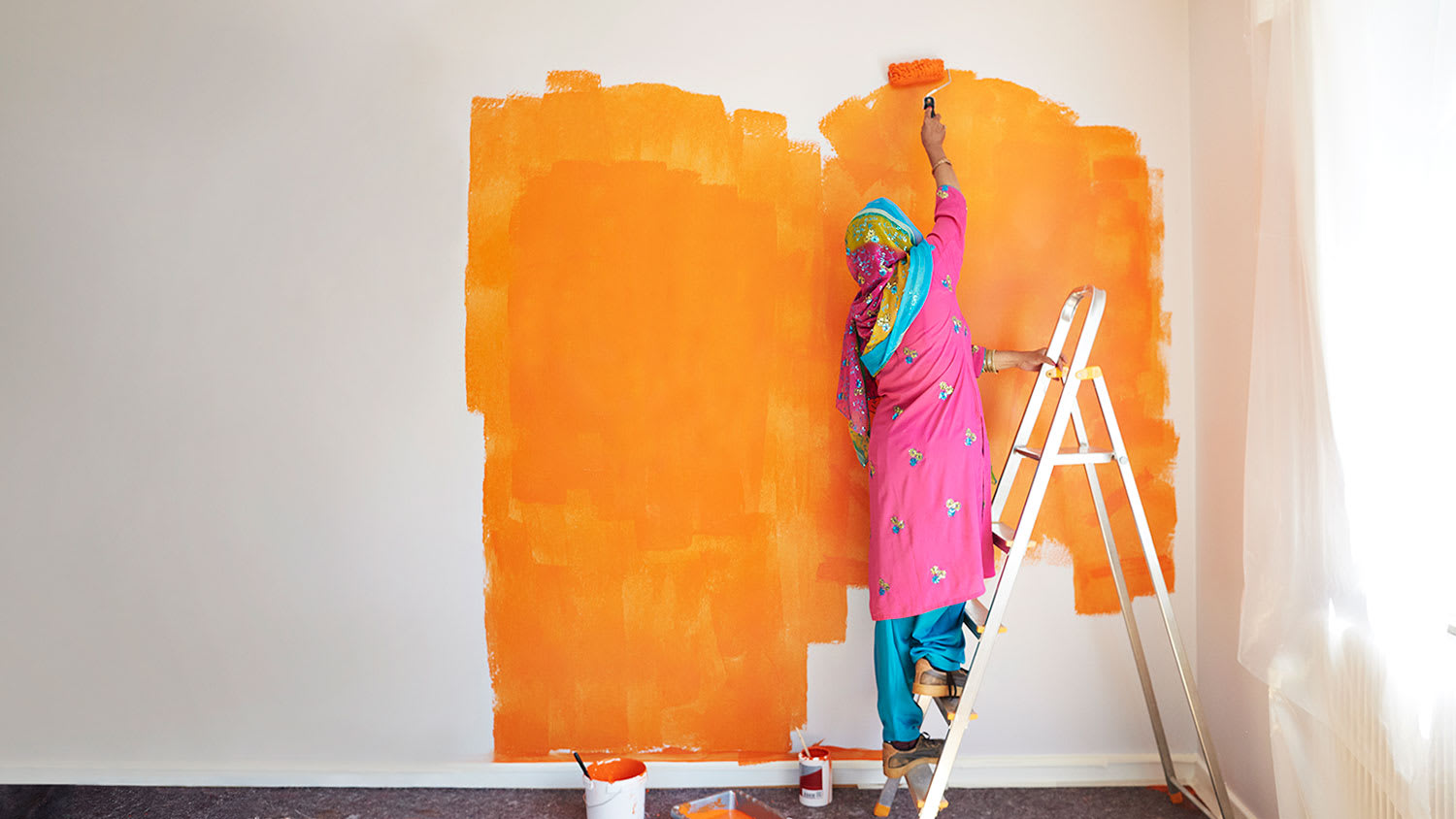
Cleaning the latex paint from your brushes is the easiest part of the entire painting process when you have the right tools and techniques. Find out how to clean your brushes like a professional painter with these three simple tips.