




Top-rated weed maintenance pros.

Get matched with top weed maintenance pros in Shullsburg, WI

Enter your zip and get matched with up to 5 pros

Need a pro for your weed maintenance project in Shullsburg, WI?

Select your specific project to find the pro for you.

TRUSTED BY SHULLSBURG, WI HOMEOWNERS

  • Average homeowner rating star icon4.9
    Average homeowner rating
  • Verified reviews icon17
    Verified weed maintenance services reviews

Find Weed maintenance pros in Shullsburg

No results for Weed maintenance pro in

Try adjusting your search criteria.
Weed Services questions, answered by experts

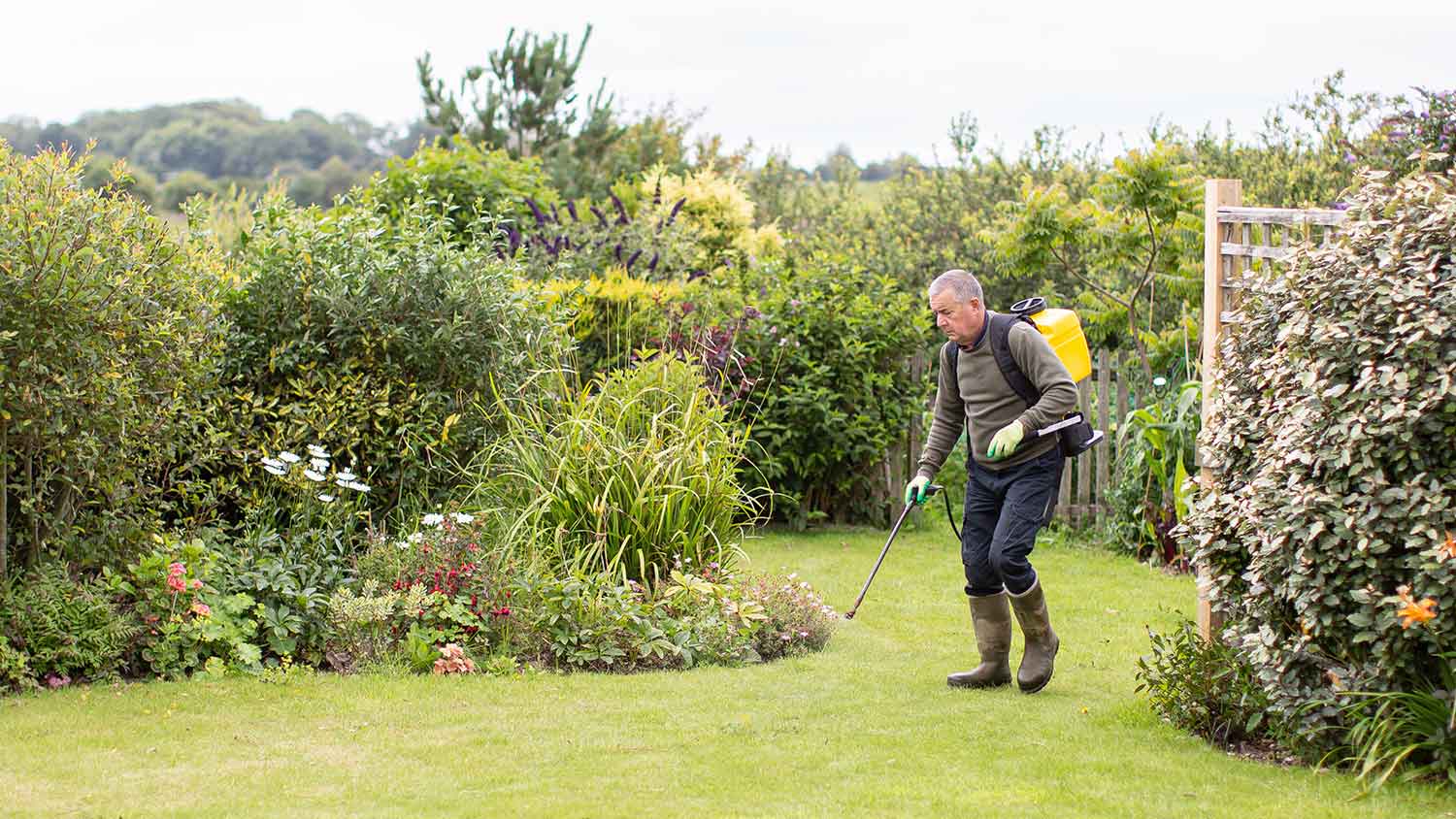
It usually takes between two weeks and a month for weeds to fully die off after you spray them with herbicide, but they will start to wilt within the first week. Different weed sprays produce different results, with some working more quickly and effectively than others. Similarly, some weeds are killed more easily than others. Consult your weed removal pro for an exact timeline based on their weed removal method.

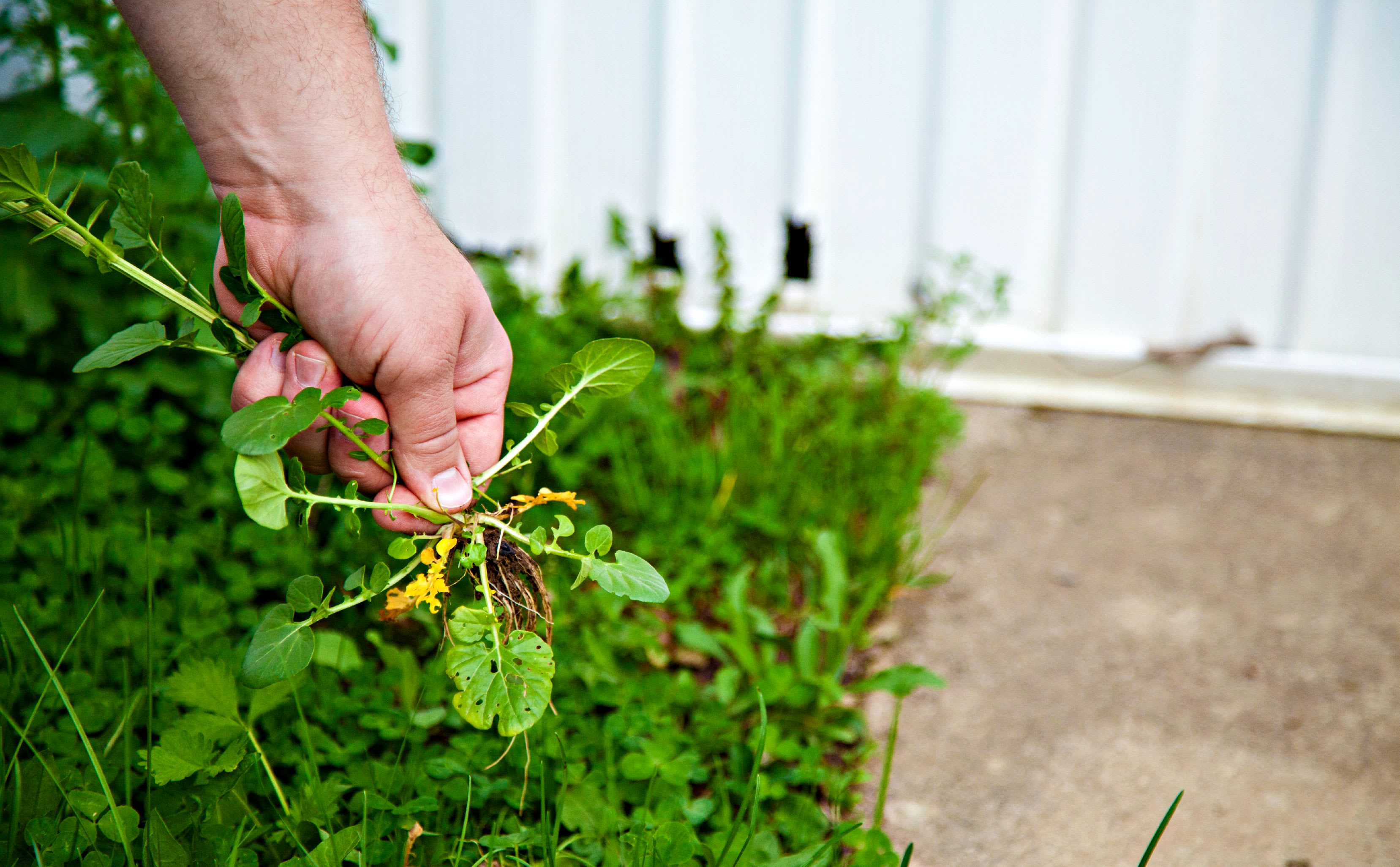
Pulling weeds once per month is typically often enough to keep most weeds at bay. But in general, it's best to pull weeds as soon as you spot them to prevent deep root growth and slow their spread. To make it easier, plan your weed pulling after rain or after the sprinklers run so the soil will be nice and wet and the weeds will be easier to pull. If you notice moss accompanying weeds, make a plan to remove the moss immediately to prevent damage.

You should add 1 to 4 inches of mulch, depending on your garden type and needs. Keep in mind that no amount of mulch can completely prevent weeds, but a heavier coverage (closer to 4 inches) can suppress weeds enough that you are only seeing them sprout every few weeks. Finer mulch prevents weeds more effectively than large mulch, so if you’re using mulched leaves or shredded bark, 1 to 2 inches will likely suffice, while 3 to 4 inches is best for larger mulch, like bark chips or straw.

Yellow leaves and stems on your sprouts indicate they’re not getting enough light. Keep them near the appropriate light source and give them as much as they need (they require longer exposure to fluorescence than they do to natural light sources).

Johnsongrass and crabgrass are invasive weeds that can overtake your lawn. Crabgrass is a low-growing grass most often seen in lawns, flower beds, and vegetable gardens. While you may find Johnsongrass growing in your lawn, it will also grow in pastures, crop fields, and the edge of the road. Johnsongrass is much coarser than crabgrass. If left alone, Johnsongrass can grow up to 8 feet tall. 

The Shullsburg, WI homeowners’ guide to weed maintenance services

From average costs to expert advice, get all the answers you need to get your job done.