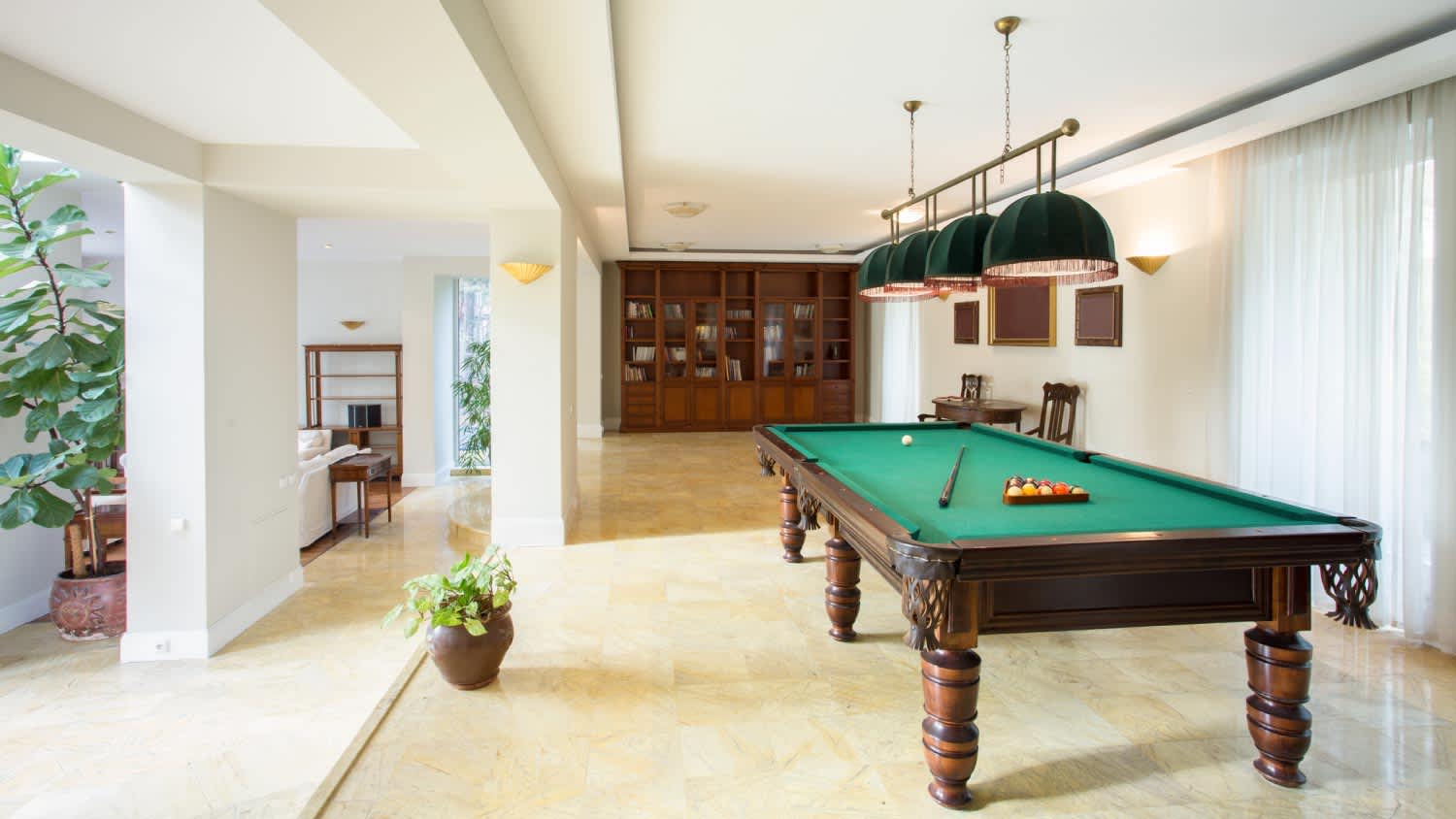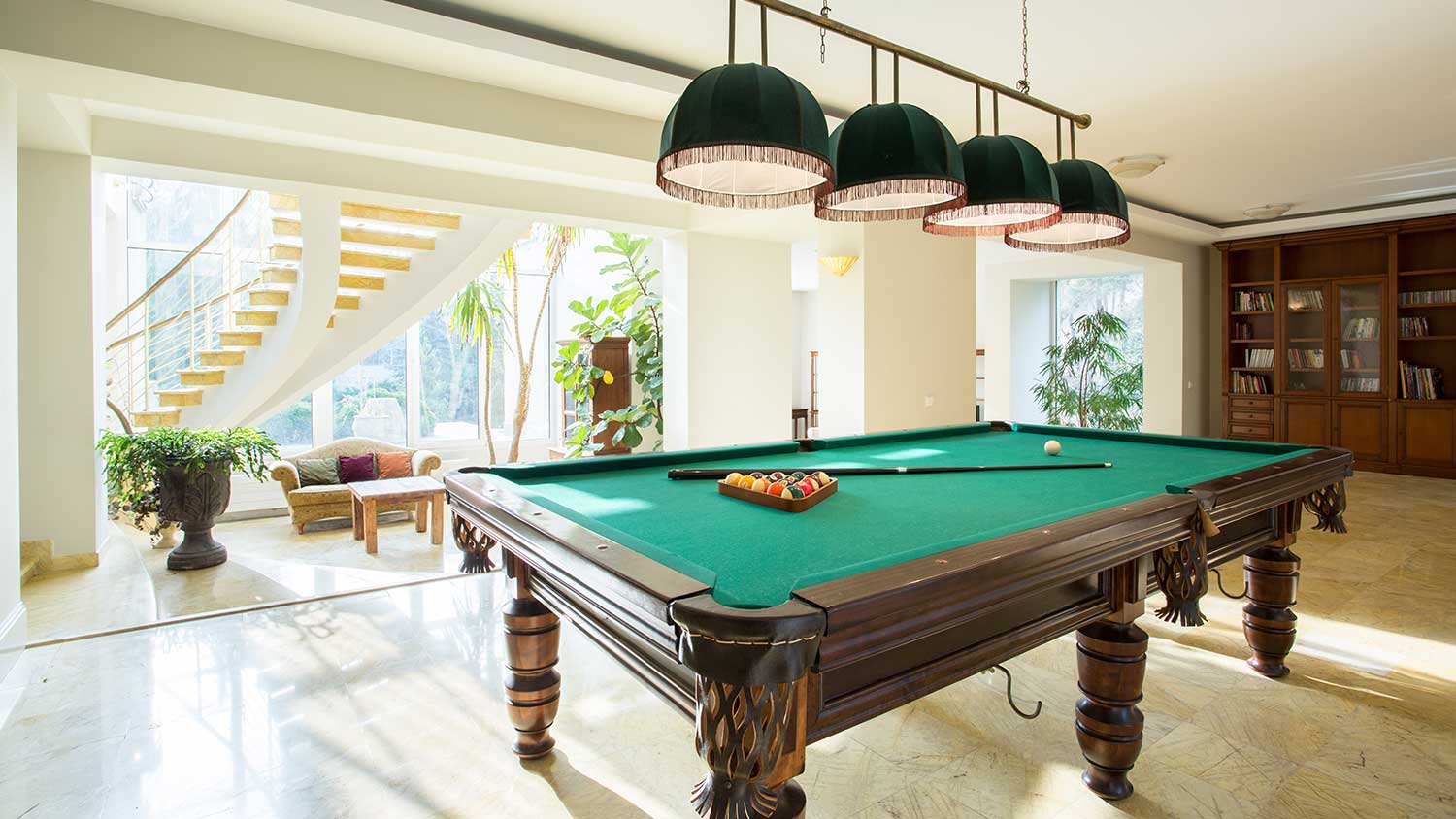

Top-rated pool table assembly pros.

Get matched with top pool table assembly pros in Luxemburg, WI

Enter your zip and get matched with up to 5 pros

Need a pro for your pool table assembly project in Luxemburg, WI?

Select your specific project to find the pro for you.

TRUSTED BY LUXEMBURG, WI HOMEOWNERS

  • Average homeowner rating star icon4.6
    Average homeowner rating
  • Verified reviews icon102
    Verified pool table assembly services reviews

Find Pool table assembly pros in Luxemburg

Avatar for Green Bay Handyman LLC
Green Bay Handyman LLC
5.0(
7
)
Handyman for Multiple Small Projects

Serving Luxemburg, WI and surrounding areas

Approved

Super Service Award Winner

In business since 2024

Free estimates

Warranties offered

"Arrived on time, explained everything, cleaned up afterwards, and charged a fair price. Incredibly nice and polite! We will definitely use him again for our handyman and contracting needs."
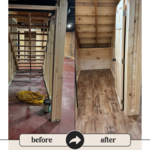
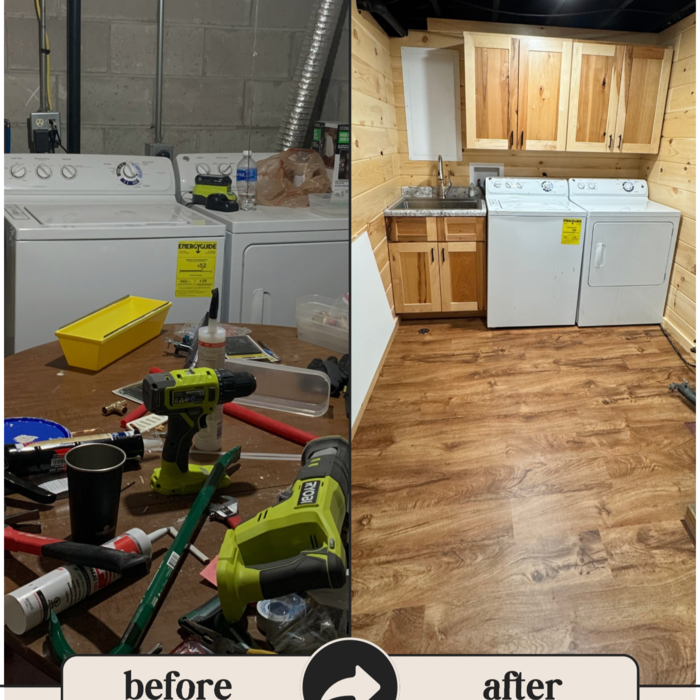
Basement Finish
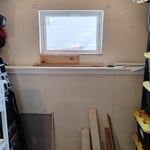
Old Nom Egress Window
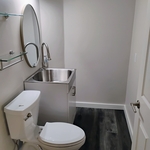
Remodeling - Kitchen & Bathroom Project
Basement Remodeling Project
Basement Finish

+49

Response time11 hrs
Response rate100%
1 neighbors recently requested a quote
J & H Custom Building
5.0(
2
)
Handyman for Multiple Small Projects

Serving Luxemburg, WI and surrounding areas

Approved

In business since 2004

Customers say: Quality work

"I couldn't be more satisfied with my experience with the work done by J & H Custom Building. My job was a small one in my two bathrooms. They were courteous, professional and listened carefully to my needs. Expert guidance was provided and the work exceeded expectations resulting in my being deeply pleased with the outcome. I would choose J & H Custom Building again and will recommend them to friends and family."
Response time3 days
1 neighbors recently requested a quote
Recommended by50%of homeowners
...
Showing 1-10 of 69
Pool Table Assembly questions, answered by experts

The total time to install an inground pool typically ranges from 8 weeks to 4 months. This timeline can be influenced by several factors, including permitting, site preparation, and the construction process itself.

Key phases and their typical durations include:

  • Permits: Obtaining necessary permits can take anywhere from two to six weeks.

  • Excavation and Site Preparation: This phase takes about a week but can be extended by problematic soil, unexpected ground conditions, or the need to move underground utility lines.

  • Construction: The actual build, including plumbing and electrical work, often takes one to two months. The pool material is a major factor here; a concrete pool needs about 30 days to cure, while installing a fiberglass or vinyl liner is much faster.

External factors can also cause significant delays:

  • Contractor Availability: Spring and summer are busy seasons, and high demand can lead to long waitlists, potentially adding months to your start date. It is often recommended to start planning and getting estimates up to a year in advance.

  • Other Delays: Weather, material shortages, complex designs, and other unforeseen challenges can extend the project timeline.

It’s a good idea to wait at least 24 hours after opening your pool before you swim in it. Pool opening often involves shocking the water, and the chemical levels need to come down a bit before it’s safe to swim. You can continue testing your water pH and chlorine levels if you’re in a rush. It’s wise to wait until your chlorine levels drop to under four parts per million (ppm) and you have a water pH of between 7.2 and 7.8. You can artificially lower your water pH to speed up the process.

You can build a plunge pool in an 8-by-8-foot space. Many plunge pools are about 8 to 12 feet wide, 2 to 24 feet long, and 4 to 8 feet deep. While these pools are smaller than your average swimming pool, you may want additional space for a deck or patio to surround the plunge pool.

Permits are generally required to build an in-ground swimming pool. These permits cover aspects like zoning, safety fencing, and electrical work. Obtaining the correct permits involves coordination with local building authorities.

An easy way to know whether your sand filter has enough sand is to check how full the filter is and what the sand looks and feels like. The filter container should be two-thirds to three-quarters full of sand. Look for interior marks indicating the ideal sand level. If you put your hand into the sand, it should flow through your fingers without clumping. The filter pressure gauge is also an easy indicator—the right amount of sand leads to normal pressure, while too much or too little sand can cause high or low pressure.

The Luxemburg, WI homeowners’ guide to pool table assembly services

From average costs to expert advice, get all the answers you need to get your job done.