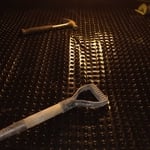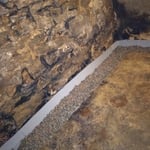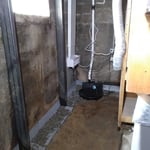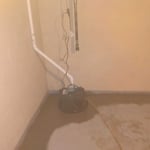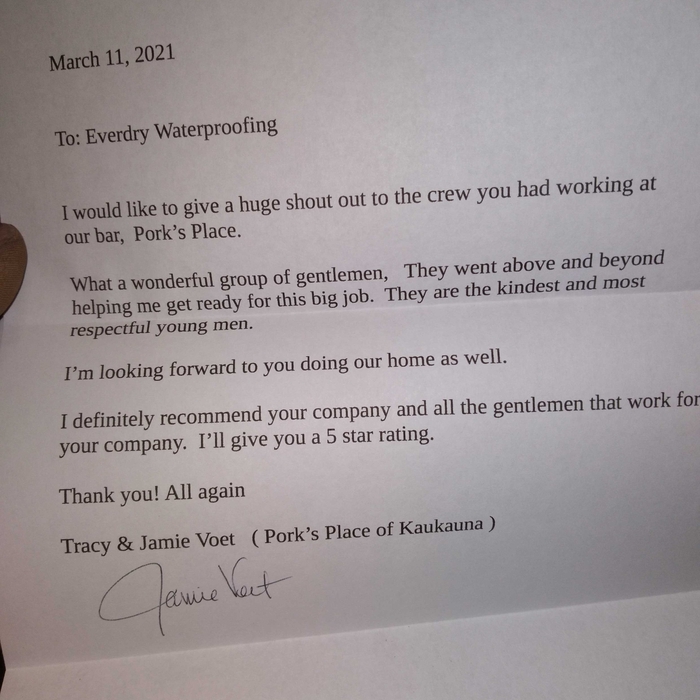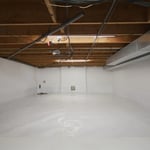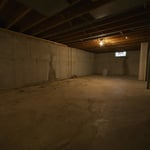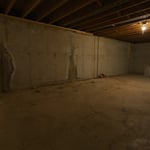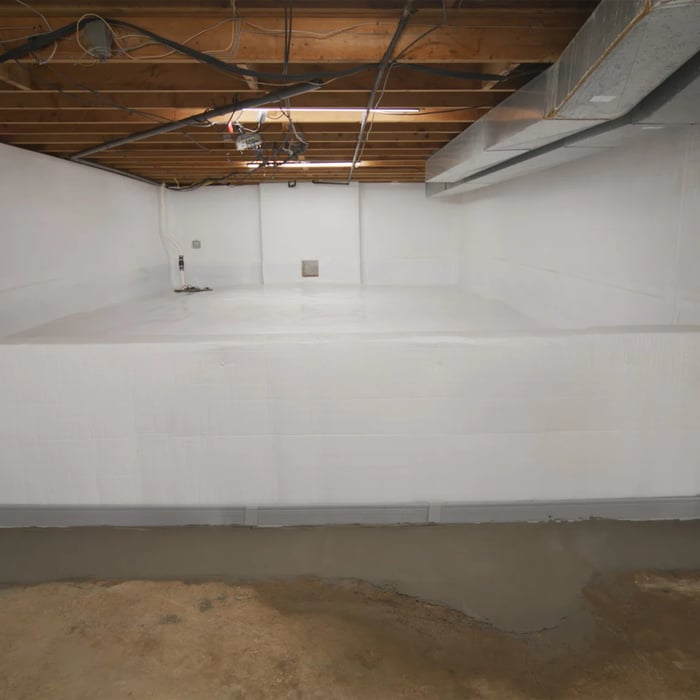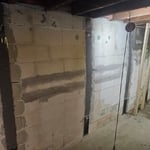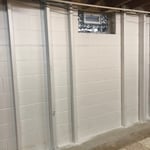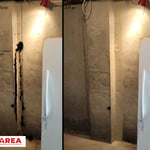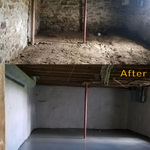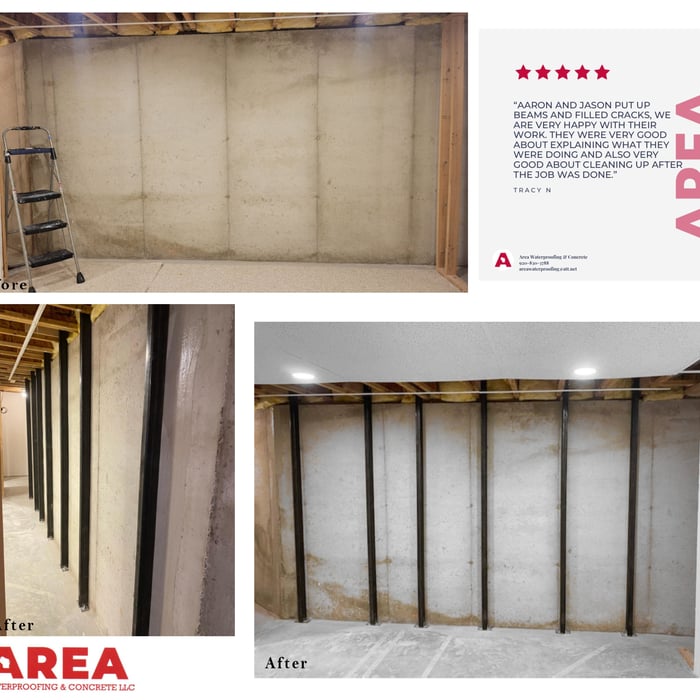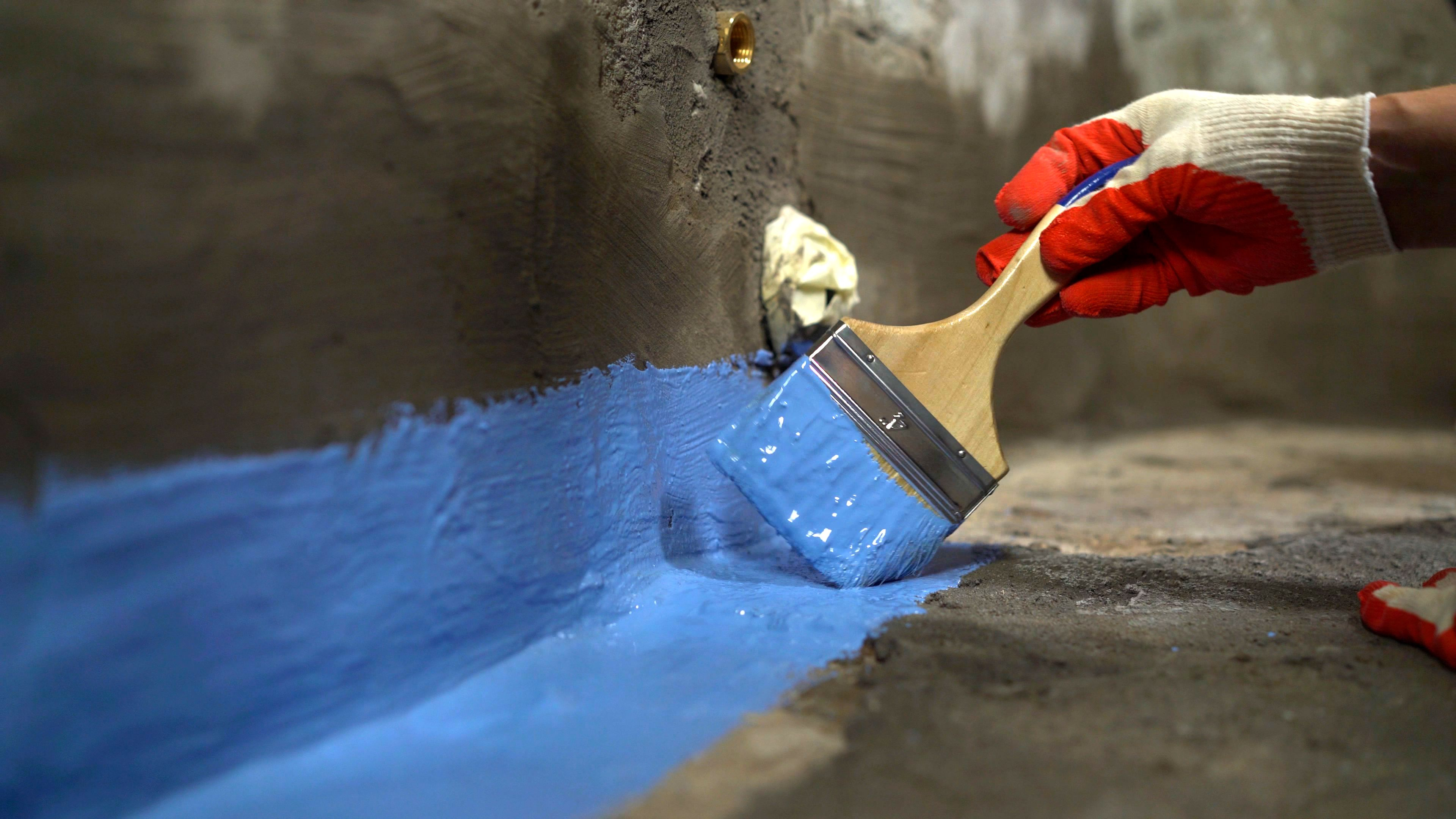

"We hired them to waterproof and repair our basement. They did a great job, and they have great customer service. We had a couple complaints when they left, and when we called them, they immediately took care of them with no hassel. They also called us like a week later to ask how things went and actually paid attention to what we had to say. There was torrential downpour that started same day they finished, and the basement was completely dry. There would have been puddles all over before."
"Matt was up front about the cost and understood our policy to obtain estimates from 3 companies before proceeding with work in our home. He itemized the estimate and explained the procedure and warranty. He was pleasant to work with! He did not require an hour of my time or insist that both my husband and I be present in order to give us a sales pitch. The price was competitive and not inflated to cover marketing expenses. I like that the company is family owned & local, and that the workers are employees, not sub-contractors. The men who did the work were efficient and we have had no water in our basement since the waterproofing was done. I believe the contractors who followed Acculevel's work were a little surprised at the materials used, and they had to adjust their plans somewhat, but all is good in the end. Thank you!"
"Mike is great at the planning and cost estimate. He gets right to work and works efficiently, finishing in less time and at a lower cost than I had expected. And he does great work! I now have a well insulated garage, and can't thank Mike enough."
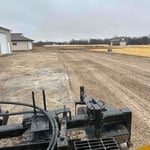
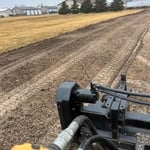
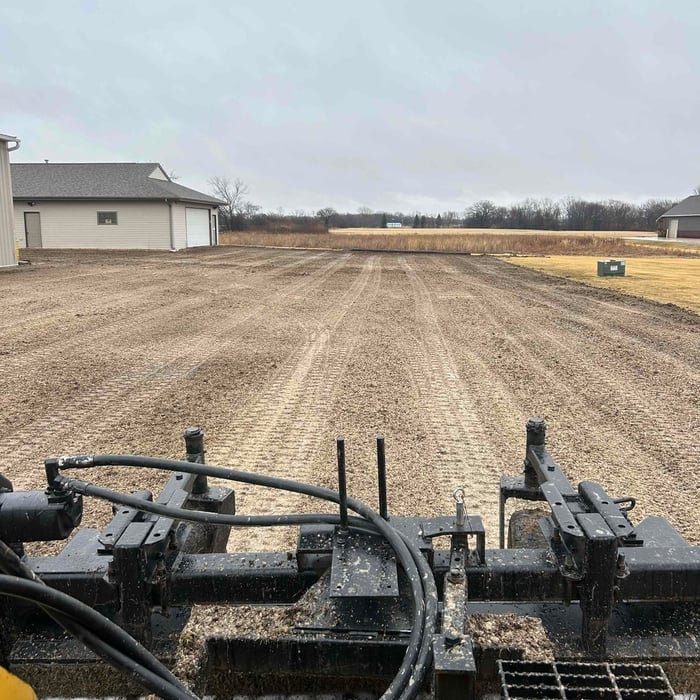
"Central Wisconsin Excavating (CWE) did a fantastic job on our project. They built a solid, well-prepared foundation for our 80,000-bushel grain bin and graded our driveways perfectly to ensure water drains away from our buildings. Their attention to detail, quality of work, and professionalism really stood out. The site was left clean and properly finished, and everything was done right the first time. We’re extremely happy with the results and would highly recommend CWE to anyone needing excavation or site work done right."
"The Project Manager, Bob Reber, was extremely helpful. He really knows a lot about basement water solutions. He is also very polite and is welcome back in our home any time! He quickly developed a detailed recommendation for a solution to the problem we were experiencing. Even better was the fact that he was willing to reduce the required work as we discovered additional information about the details of our situation. If we ever need any additional help with our basement, Bob is the only person I will call! Thanks for all your help!"
"I am honestly amazed at the work that Cooper and Tony did! The entire experience from the first inquiry, to the estimate, and right down to the timeline, and clean up, exceeded my expectations by far!! This is a company that clearly takes pride in their work! I will 100% recommend them to everyone I can!"
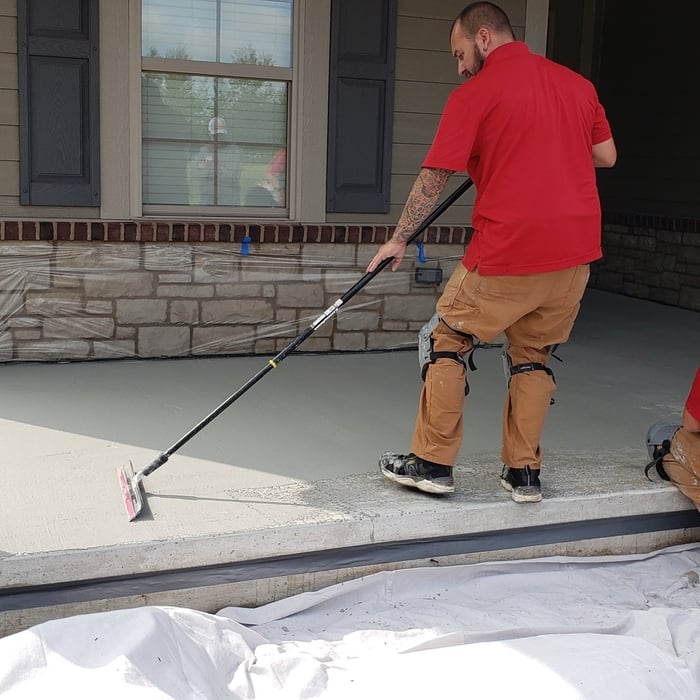
"Andiry came out a couple of times. I finally decided to do concrete (I had been debating on whether to replace with landscaping blocks). its about 40 feet long, 3 feet wide, needed to be pitched correctly, and the old walkway had to come out. Andiry came out on a Saturday (on time) to write the contract, and started work 2 days later. It was done 5 days later. It looks great, and the work site was cleaned up. there is a bit of a language barrier, but it's easy to work through. "
Basement Waterproofing questions, answered by experts
While a standard gutter system is widely considered the most effective way to prevent water damage to your home's foundation, several alternatives are available. These options can be used on their own in certain climates or as supplementary protection.
Common alternatives include:
Rain Chains: These are decorative chains that hang from the roof's edge, guiding rainwater to the ground.
Drip Edges: These metal strips are installed at the edge of the roof to direct water away from the fascia. While often used with gutters, they can be paired with a ground-level solution but are typically not sufficient on their own.
Rain Dispersal Systems: These systems work by breaking up the heavy sheet of water flowing off the roof, dispersing it over a wider area.
French Drains: This ground-level system uses a perforated pipe in a gravel-filled trench to collect and redirect water runoff away from the house.
Drip Paths: Placed directly below the roofline, these paths made of concrete, stone, or other materials prevent soil erosion and guide water away.
It's important to note that some alternatives like rain chains and dispersal systems may not be adequate in regions with heavy rainfall because they don't divert water away from the foundation as effectively as a full gutter system. Ground-based solutions like French drains can be very effective but are often more expensive and can affect your landscaping and curb appeal. Many experts recommend installing a full gutter system for maximum protection and using alternatives as supplementary measures.
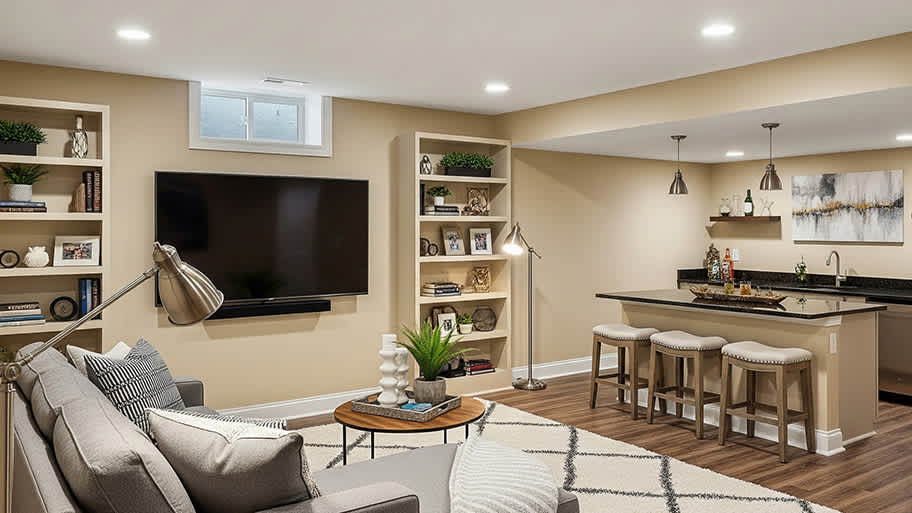
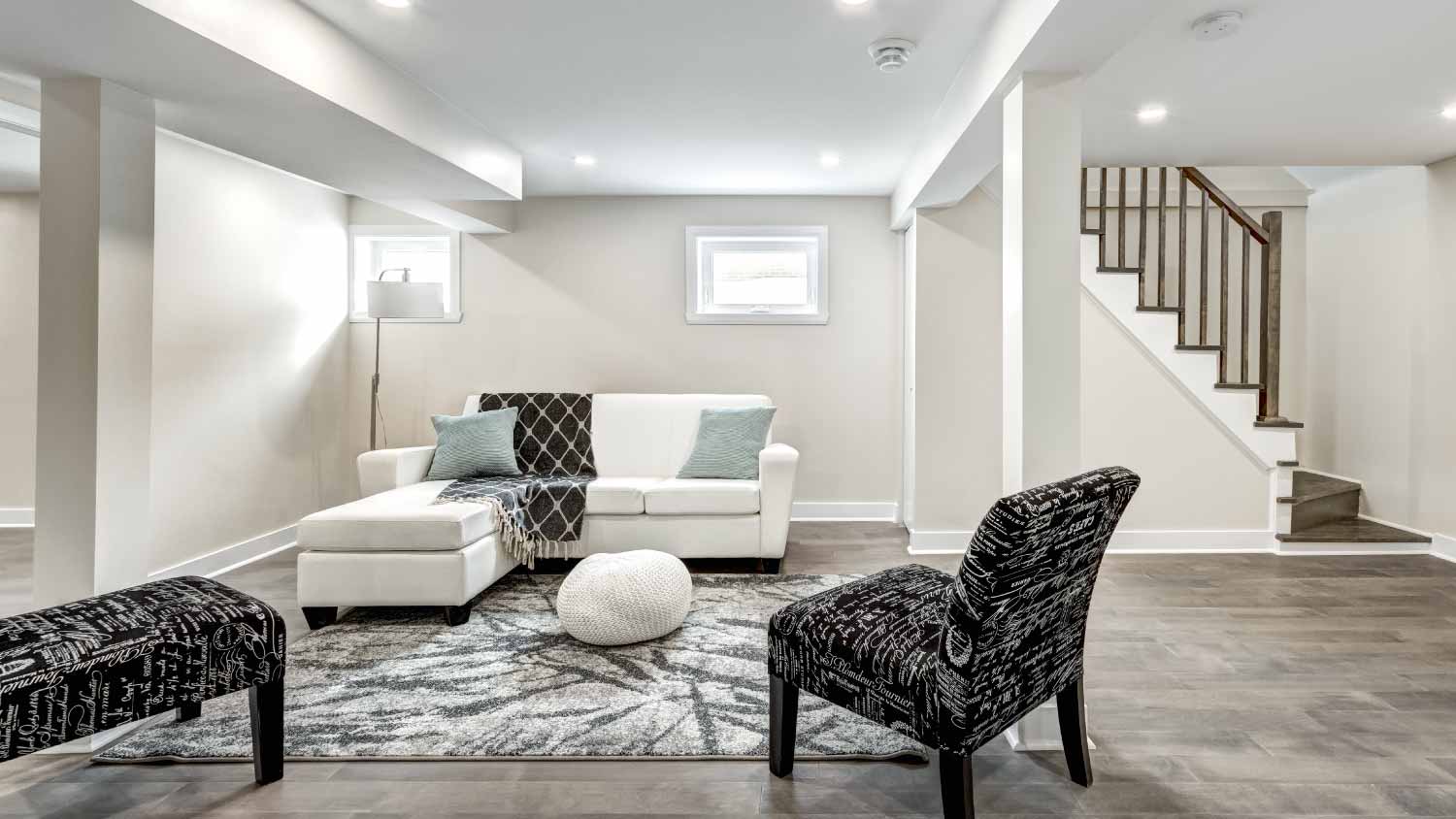

The primary reason homes have crawl spaces is so the foundation can reach down below the frost line to avoid dangerous soil movement and structural damage when the ground freezes. They’re more popular in colder climates where the ground freezes down to a few feet, and slabs are most popular in warmer areas where there is no frost line. Crawl spaces also provide a space for utility lines to run where they’re at less of a risk of freezing.
French drains and yard grading systems are two highly effective ways to fix standing water around the foundation. Since the French drain uses a perforated pipe covered by gravel, you won’t have to worry about water taking the soil away from your foundation. Meanwhile, yard grading levels out the ground to prevent water from gathering around your foundation.
It’s not the number of weep holes that should be of concern to builders but rather their spacing. Weep holes are usually spaced anywhere between 16 inches on center when using round tubes or wicking materials and 24 inches on center when using open-head joints. This is a more conservative spacing than the 33-inch maximum spacing on center that’s mentioned in the International Residential Code. All in all, the total number of weep holes a brick exterior should have will depend on the size of the structure.
Anything having to do with the structure of your home, such as raising the ceiling, is usually the most expensive part of finishing a basement. Another project component that could be a surprisingly high expense is adding an exterior entrance.
Need to fix basement water problems or safeguard your home from damage in the future? Use this basement waterproofing cost guide to budget appropriately.
An unfinished basement has a lot of potential for a family room or guest suite. So how much does it cost to finish a basement? Read on for all cost factors.
Dealing with a damp basement? Follow these steps for DIY basement waterproofing to keep water and moisture out and boost your home’s energy efficiency.
Can’t seem to get rid of the moisture and mold in your basement? Learn why basements tend to hold moisture and how to get rid of moisture in the basement.