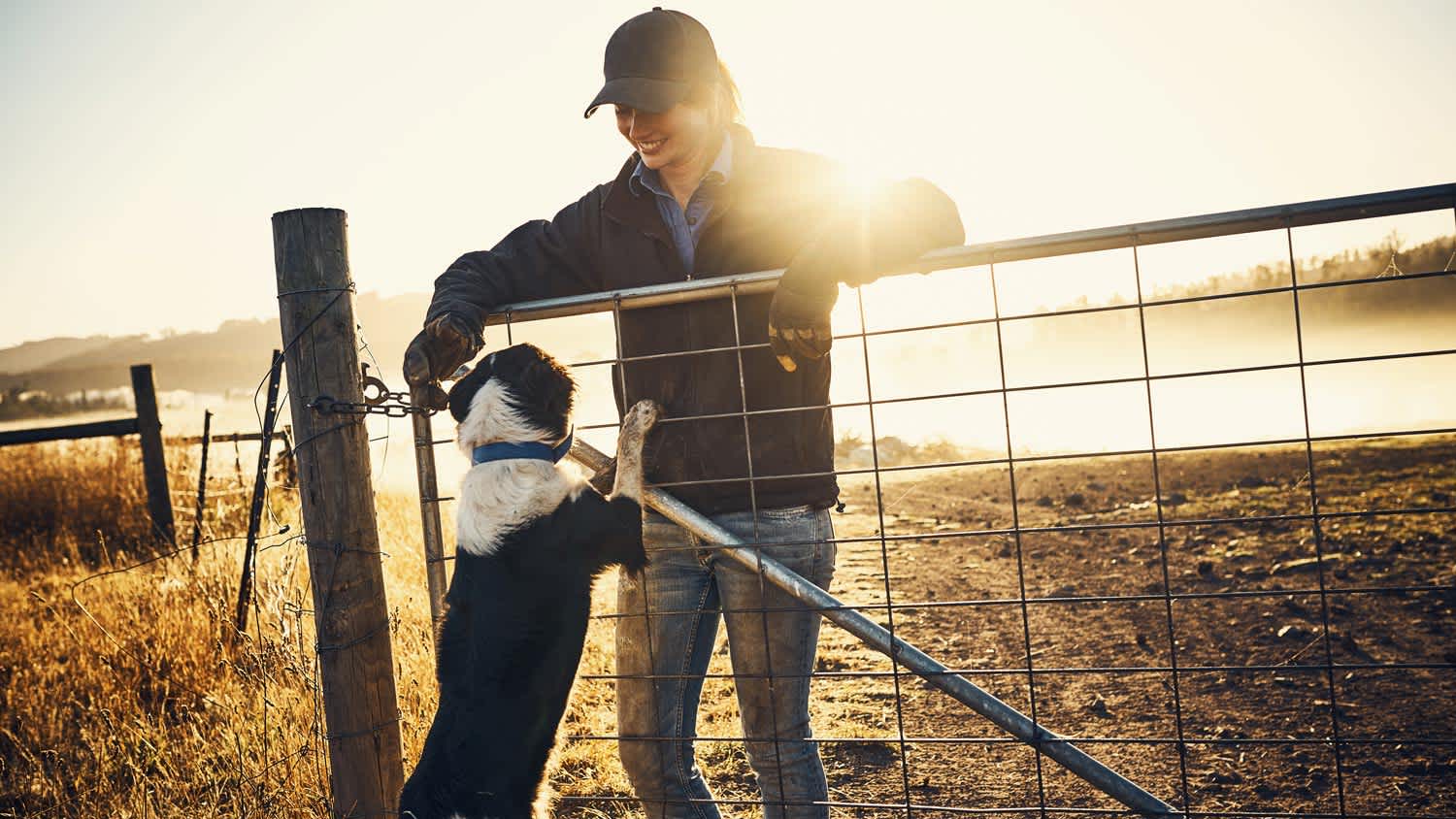
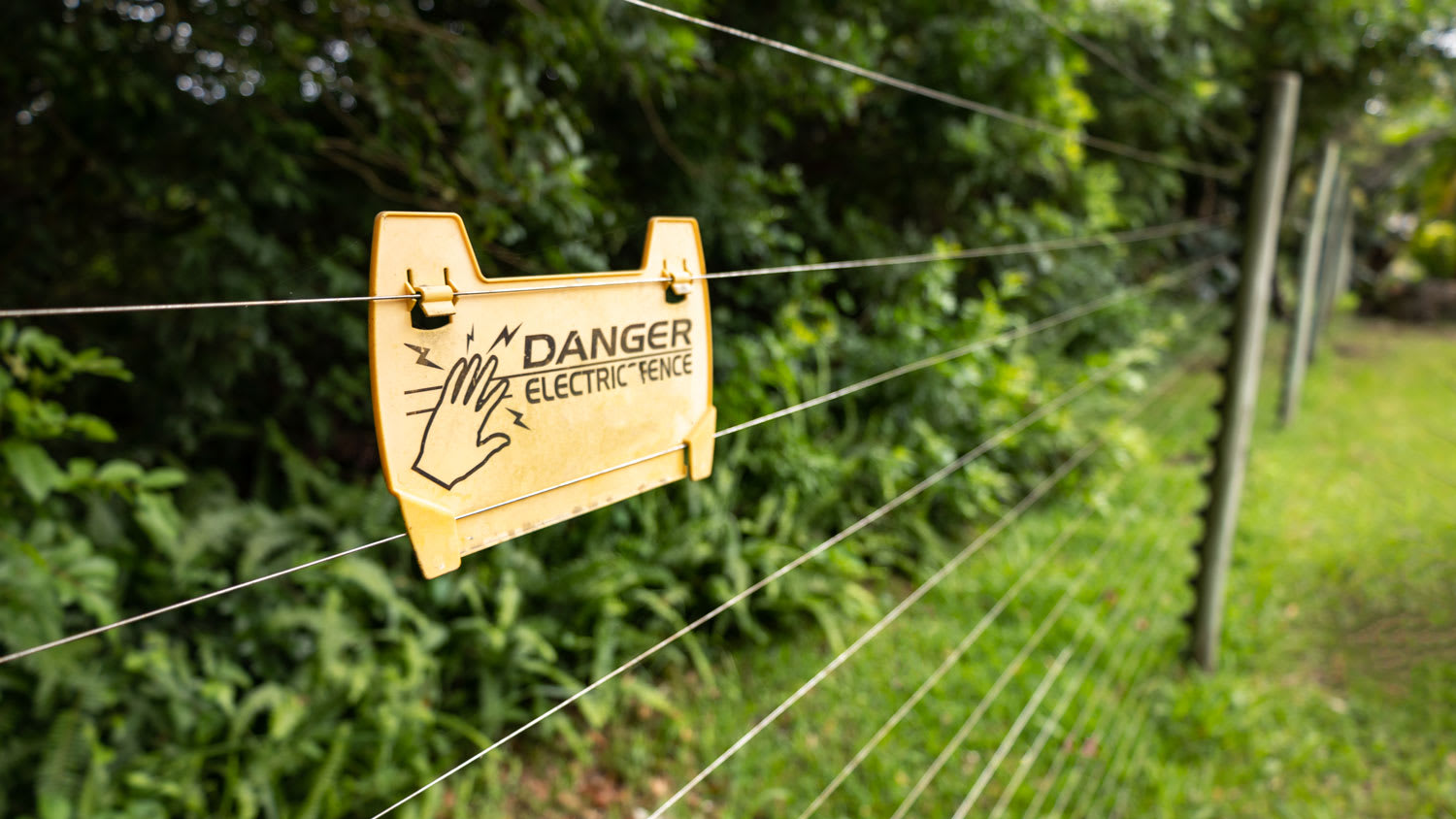
"We had Dog Guard install an electric fence for our puppy. They were great to work with! They helped us train our dog and followed up to make sure our puppy was doing well with her training. We recently called them after we inadvertently cut through the wire during landscaping and they came out and repaired the line within a couple hours. It is great to have a local company to work with. I highly recommend using Dog Guard of WI to keep your pets safe!"
If you’ve spotted a skunk or know that one of these furry creatures sprayed one of your family members, your answer is fairly obvious. However, a skunky smell in your house that isn’t coming from these critters may be a sign of a dangerous gas leak. If you suspect this, leave your home immediately and call emergency services. It could also be a build-up of dangerous gas in your home’s septic system or plumbing. Call a professional plumber near you to make an assessment.
As a general rule, if you hear an animal in your attic, don’t assume it will stay there. Animals are drawn to warmth and food sources, which could lead them to other parts of your house. In particular, it’s likely that small pests such as rats and mice that only need tiny gaps to squeeze through will end up in your walls and ductwork. Larger animals like raccoons may be limited to an enclosed attic.
While keeping any critter away permanently isn’t always possible, you can keep mice away from your home by setting traps, fumigating your space, and sealing known entry points. Once you’ve taken these steps, take time to work on prevention measures, such as clearing out all clutter and recyclables and removing all food sources.
While you might want to cut corners by either borrowing or purchasing used live traps for catching rats, this can be dangerous because those traps could contain leftover viruses and bacteria that will enter your home. Always start fresh with new materials to avoid contamination.
Signs of badgers in a yard or garden include large burrow holes 2 to 9 feet deep and 1 to 2 feet wide in your lawn or garden or under your fence. Badgers may even break through fences in some cases. Partially eaten fruits, vegetables, and animal carcasses can also be a sign. Look for bits of fur, bones, spines, and skulls.
The Iola, WI homeowners’ guide to animal fencing services
From average costs to expert advice, get all the answers you need to get your job done.
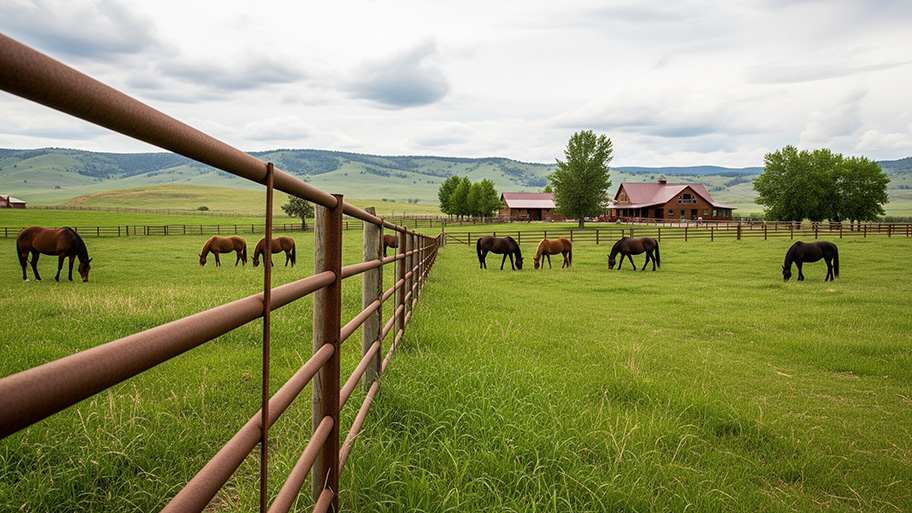
Pipe fencing is an extremely strong, durable option for containing horses and other livestock. This guide breaks down the factors that affect pipe fence cost.