We take great pride in our experience, expertise, quality, and customer service that we provide to meet the consumer's needs. It is our mission to provide excellent workmanship and complete customer satisfaction from start to completion of a project. In order to understand the needs and expectations of our customers, we take great care to work and communicate with every customer in a professional manner. Our reputation is based on service, safety, and quality, regardless of how large or small the job.
We take great pride in our experience, expertise, quality, and customer service that we provide to meet the consumer's needs. It is our mission to provide excellent workmanship and complete customer satisfaction from start to completion of a project. In order to understand the needs and expectations of our customers, we take great care to work and communicate with every customer in a professional manner. Our reputation is based on service, safety, and quality, regardless of how large or small the job.
Driveway Sealcoating questions, answered by experts
You should plan on sealing your driveway about once every five years, although you should plan to do it once every three years if your area experiences frequent rain or snow. Sealing your driveway protects it from moisture, UV rays, and chemicals from your car, like motor oil and antifreeze. If you find that your driveway stains easily or appears to be cracking or fading, you may want to schedule a sealing service regardless of when you last sealed it.
A properly applied asphalt driveway sealer, or sealcoat, should last between one and five years. The industry standard is to reseal every two to three years for optimal protection. If you live in a climate with extreme weather, such as heavy rainfall or freezing temperatures, you may need to reseal your driveway more frequently, around every two years. Signs that your driveway needs a new coat of sealant include the appearance of small cracks or uneven drying after rain.
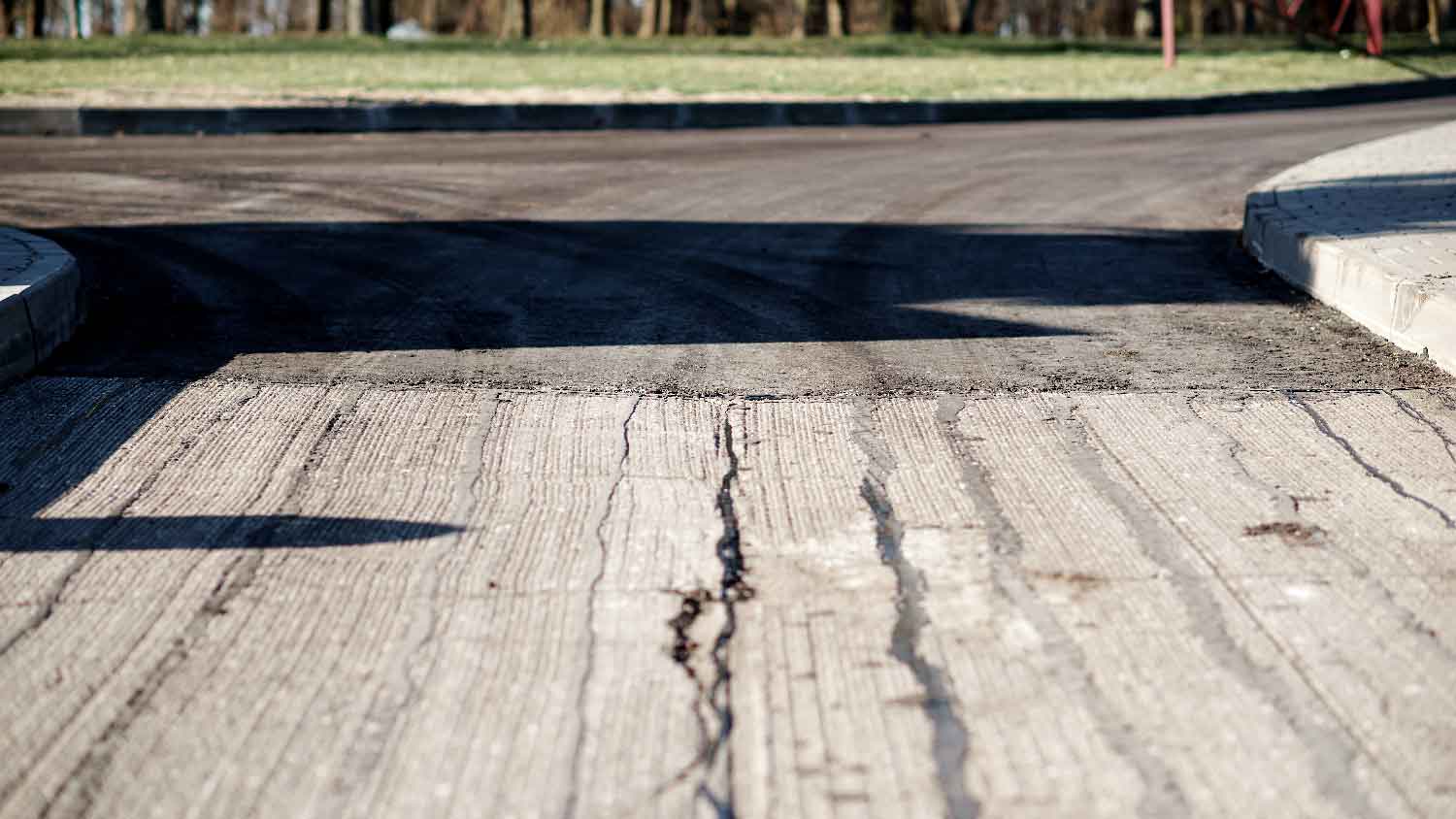
Fading color, visible cracks, or water pooling signal the need for sealing to prevent further damage.
You should contact your driveway installer before winterizing a newly installed driveway. Winterizing it before the asphalt or concrete has fully cured can damage the driveway. But in many cases, you don't need to winterize a newly installed driveway anyway since it's likely freshly sealed and won't have much damage yet.
DIY asphalt repair is feasible for small issues like cracks or potholes, provided you have the correct materials and tools. However, for more extensive damage or to ensure a durable, smooth surface and prevent further deterioration, engaging professional services is recommended for their expertise and long-lasting results.
The Iola, WI homeowners’ guide to driveway sealcoating
From average costs to expert advice, get all the answers you need to get your job done.
Driveway extensions can provide valuable parking and recreation space and add to the value of your home on resale. Find out how much driveway extensions cost.
Learn how to find a top-rated asphalt driveway sealing pro by checking credentials and asking the right questions to ensure your pavement is protected.