




•
Discover the average dishwasher installation cost, key price factors, and tips to save on your project. Get transparent, expert-backed estimates.

*The Angi rating for Dishwasher Installation companies in Hancock, WI is a rating based on verified reviews from our community of homeowners who have used these pros to meet their Dishwasher Installation needs.
*The HomeAdvisor rating for Dishwasher Installation companies in Hancock, WI is a rating based on verified reviews from our community of homeowners who have used these pros to meet their Dishwasher Installation needs.
Last update on October 04, 2025
From average costs to expert advice, get all the answers you need to get your job done.
Discover the average dishwasher installation cost, key price factors, and tips to save on your project. Get transparent, expert-backed estimates.

Whether you’re replacing an old dishwasher or buying your first, find out more about dishwasher costs, including new dishwasher installation.

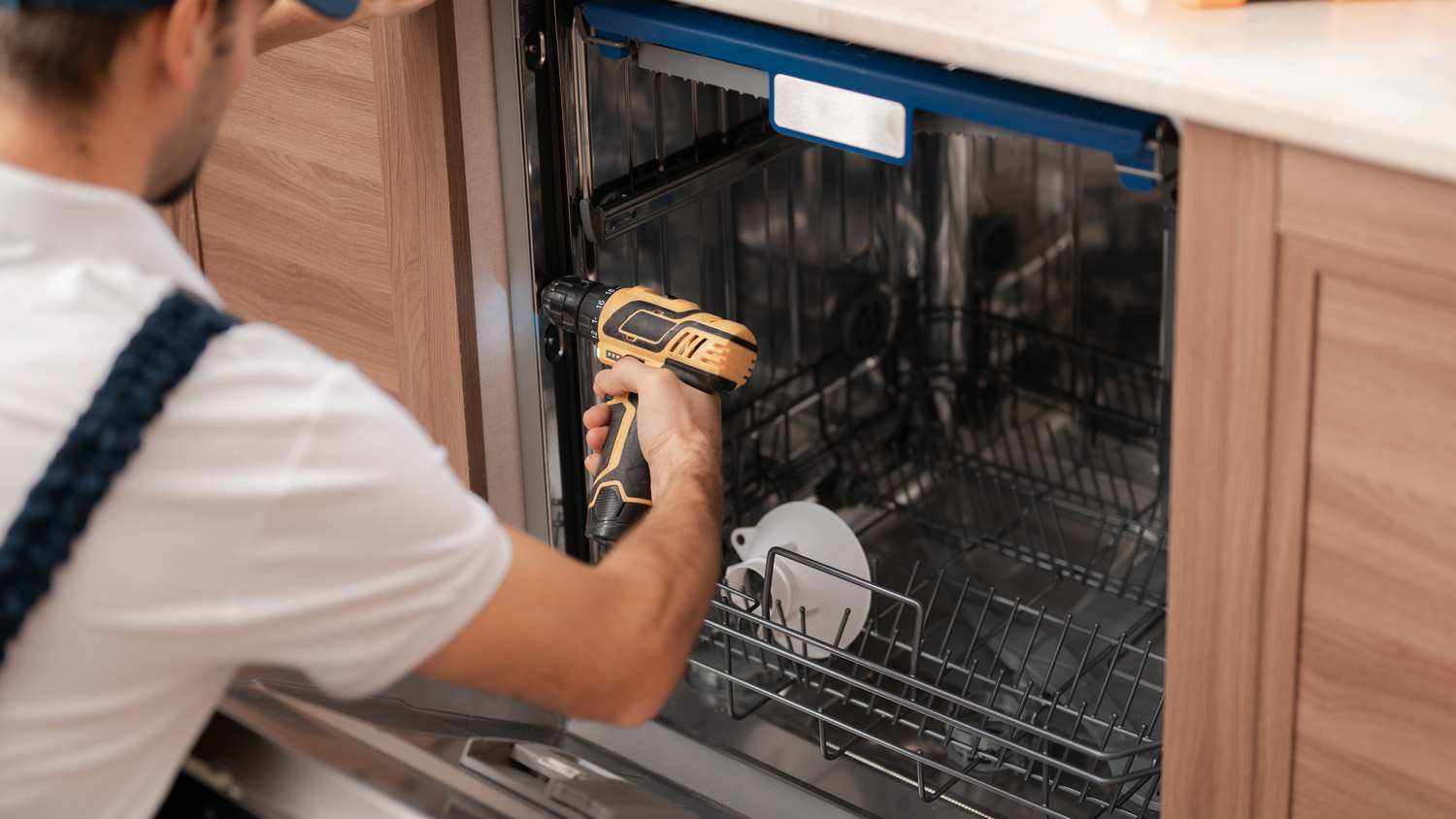
You don’t always need a pro for appliance installations. Use this guide to learn how to install a dishwasher on your own.

Before upgrading to a new dishwasher, you need to know who to hire to install the dishwasher, as your choice can impact its efficiency and safety.

Overwhelmed with dishwasher options? Learn about the different types of dishwashers to increase efficiency and space in your kitchen.

Understanding the different parts of a dishwasher can help you troubleshoot any issues and know when to call in the professionals.