
Top-rated landscapers.

Get matched with top landscapers in Hammond, WI

Enter your zip and get matched with up to 5 pros

Need a pro for your landscaping project in Hammond, WI?

Select your specific project to find the pro for you.

TRUSTED BY HAMMOND, WI HOMEOWNERS

  • Average homeowner rating star icon4.1
    Average homeowner rating
  • Verified reviews icon112
    Verified landscaping services reviews

Find Landscapers in Hammond

Avatar for Elite Property Maintenance LLC
Elite Property Maintenance LLC
4.9(
19
)
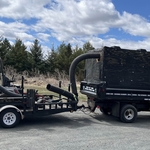
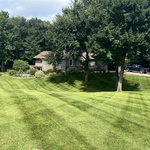
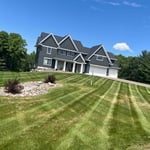
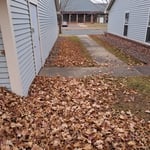
Lawn Care - Maintain and Mow a LawnLawn & Yard Waste Clean Up

Serving Hammond, WI and surrounding areas

Approved

In business since 2020

Free estimates

Credit card accepted

"1st time using this service. they did great job, pushing snow into median instead of piling up along driveway. Hand shoveled along edge of driveway as we just moved in and didn’t have markers along driveway."
Response time9 hrs
18 neighbors recently requested a quote
Recommended by100%of homeowners
...
Showing 1-10 of 119
Landscaping questions, answered by experts

If you choose to leave gaps between your pavers, you can grow some ground cover plants between them for an organic feel. Look for plants such as creeping thyme, dymondia, jewel mint of Corsica, or clover.

The best time to plant is between spring and autumn. Springtime weather is typically mild and is when nurseries start to bloom. When the summer weather arrives and it’s hot out, it’s best to avoid planting bare-root plants, but you can still plant many in-container varieties. The first sign of fall is another great opportunity to plant biennials if you live in southern states, or a lovely vegetable garden up north.

Unless it only rains once in a blue moon where you live, you’re going to want water-loving plants in your garden bed or pot. A few ideas for plants that aren’t super fast-growing (meaning they’re good in pots or near foundations) and can handle a lot of standing water include: 

  • Acorus (Sweet flag)

  • Colocasia esculenta (Taro or elephant ear): In many climates, these are annuals, making them less desirable because you need to adjust the chain again after each replant.

  • Equisetum scirpoides (Dwarf horsetail rush): non-dwarf varieties of horsetail are fast growers and can take over quickly.

  • Juncus effusus (Curly rush)

  • Osmunda regalis (Royal fern): Royal fern can grow quickly but can also handle being crowded, making them good container plants.

It is possible to DIY complete hardscaping projects, but in most cases, hiring a professional is best to get the job done correctly. Hardscaping—including installing patios, decks, retaining walls, walkways, and water features—is challenging and time-consuming, so the money you spend on a professional is typically worth it. Not only will the quality be better, but you could avoid problems that come along with a lack of hardscaping experience, like drainage issues that can lead to costly foundation damage and leaks in your home.

You should avoid planting grass, shrubs, plants, and trees in freezing temperatures, as the ground can get frozen and become too hard for proper root growth. It’s best to plant in the fall to allow your plants to establish root systems before the first frost. Landscaping when the average temperature in your area is between 50 and 60 degrees will usually deliver the best results.

The Hammond, WI homeowners’ guide to landscaping services

From average costs to expert advice, get all the answers you need to get your job done.