





Top-rated bird control service pros.

Best bird control service pros near Friendship, WI

Enter your zip and get matched with up to 5 pros

Need a pro for your bird control service project in Friendship, WI?

Select your specific project to find the pro for you.

TRUSTED BY FRIENDSHIP, WI HOMEOWNERS

  • Average homeowner rating star icon4.4
    Average homeowner rating
  • Verified reviews icon17
    Verified bird control services reviews

Top-Rated Bird control service pros in Friendship - Updated Nov 2026

Bird Control FAQs, answered by experts

No single deterrent will work 100 percent of the time, so we suggest combining deterrents to ensure your seed has the best possible chance to grow. Using bird netting over your seed, with physical deterrents like mylar tape coupled with hanging bird feeders at the edges of your growing area—and removing any bird’s nests, if possible—will give your seeds the best possible chance for success.

Birds eat grass seed for one simple reason—it’s delicious! The seeds are rich in nutrients such as carbohydrates, proteins, and fats. Seeds are also high in energy, so humans eat trail mix loaded with seeds and nuts for long-distance activities. Grass seed, when unprotected, is also exceptionally easy to access.

An owl's worst enemy in the wild is often other raptors and environmental factors. Among the avian threats, larger owls or other birds of prey can pose a danger, engaging in territorial disputes or competing for food resources. Terrestrial predators like foxes, raccoons, and larger mammals may target owl nests or young fledglings. Environmental factors like severe weather conditions, habitat loss, and food availability changes can also significantly impact owl populations.

Hanging wind chimes or motion-activated speakers near your home may be an effective way to deter woodpeckers, as sudden movement and sound often scare birds away. You could also try using reflective decorative items such as pinwheels or mirrors or placing decoys of large predatory birds in your yard. If these measures don’t deter the woodpeckers, you may need the help of a bird removal pro.

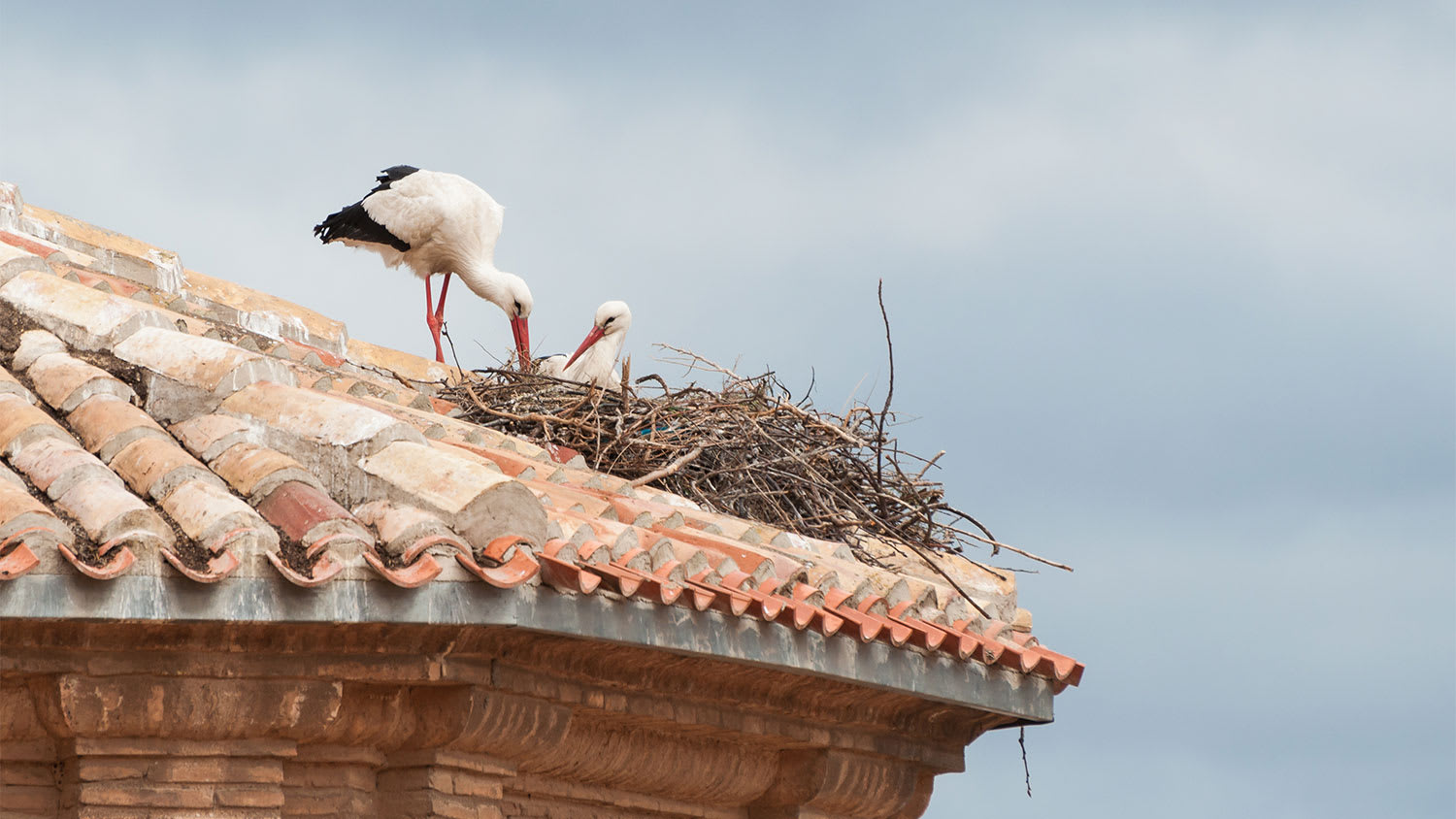
The lifespan of a bird's nest depends on the species. The building process can take from two days to three weeks. Once built, the nesting period for baby birds can last from two to ten weeks before they leave the nest. While most young birds are ready in two to six weeks, some predatory species may need up to two and a half months. Some species nest four to five times per year, so a nest could remain in use for several months. For specific information about a particular nest's longevity, it is best to consult a wildlife professional.

The Friendship, WI homeowners’ guide to bird control services

From average costs to expert advice, get all the answers you need to get your job done.