





Top-rated deck maintenance specialists.

Get matched with top deck maintenance specialists in Elk Mound, WI

Enter your zip and get matched with up to 5 pros

Need a pro for your deck maintenance project in Elk Mound, WI?

Select your specific project to find the pro for you.

TRUSTED BY ELK MOUND, WI HOMEOWNERS

  • Average homeowner rating star icon4.2
    Average homeowner rating
  • Verified reviews icon10
    Verified deck maintenance services reviews

Find Deck maintenance specialists in Elk Mound

Avatar for Lrec Properties
Lrec Properties
5.0(
5
)
Deck, Fence, Patio or Porch - Clean and SealDeck, Fence, Patio or Porch - Clean and Seal - For Business

Serving Elk Mound, WI and surrounding areas

Approved

Free estimates

Emergency services offered

Warranties offered

"Lrec did a fantastic job making some updates to my home. Ryan was very responsive and had quick solutions to roadblocks that were unexpected. He was very thorough, left the job site clean and ensured the work was completed to my satisfaction at a price point that is fair. I would recommend Lrec for any home projects."
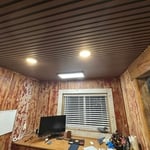
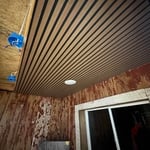
Office build out
Office build out
Office build out
Office build out
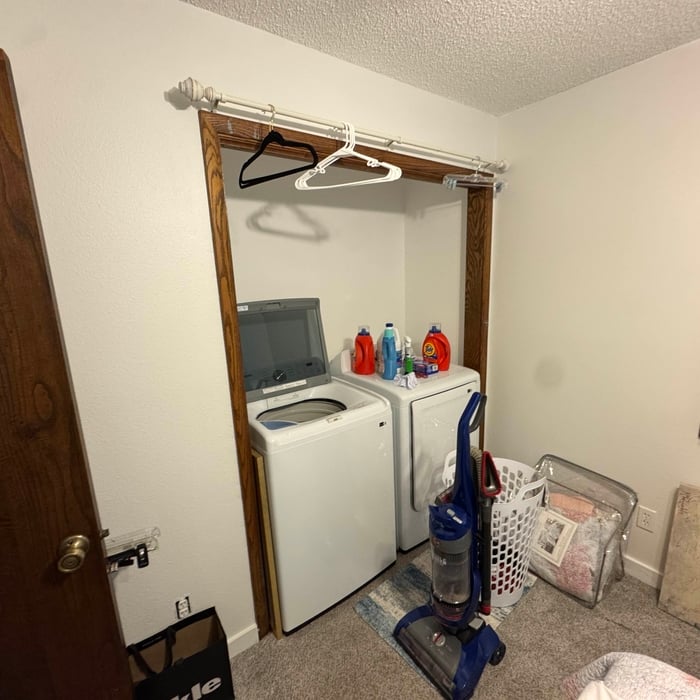
Laundry room move

+11

12 neighbors recently requested a quote
Showing 1-10 of 35
Deck Maintenance questions, answered by experts

Choosing whether your deck should be lighter or darker than your house is a matter of personal preference, as there is no right or wrong answer. However, considering the pros and cons of each can help guide your decision. Darker colors are often chosen because they show less dirt, footprints, and marks from daily wear, making them easier to keep clean. On the other hand, lighter deck colors tend to stay cooler in the summer. From a design perspective, using a deck color that contrasts with your home's exterior can help make the deck a more defined and distinct feature. Consulting color theory can also make the process of choosing a complementary house and deck color combination easier.

Ideally, a gate should be able to swing both in and out. However, if it can only open in one direction, it is generally best for it to swing inward. This is often the safest option, especially for deck gates near steps, as you'll want the gate to swing away from the stairs. An inward swing also prevents the gate from opening into a public space, like a sidewalk, and can be more convenient when carrying heavy items like a wheelbarrow into a garden.

There are exceptions, however. The layout of your property may require a different approach. For example, if your property is on a slope, the gate may not be able to swing inward. You should also ensure the gate can open fully without colliding with any objects or blocking access to other areas. For a backyard garden gate where public access isn't a concern, the direction it swings is largely a matter of personal preference. Finally, always check your local building codes, as they may have specific requirements for which way a gate must swing.

Building codes for deck railings can vary by location, so it's important to consult your local regulations before construction. Generally, a guardrail is required for any deck that is more than 30 inches above the ground.

For residential properties, the standard minimum height for a deck railing is 36 inches. However, some states and municipalities have stricter requirements; for example, California and Washington mandate railings that are at least 42 inches high. Therefore, a 42-inch railing is not considered too high and may be required in your area or chosen voluntarily for additional safety.

In addition to height requirements, codes also specify other safety features, such as the maximum spacing between balusters to ensure they are close enough to prevent a child from squeezing through.
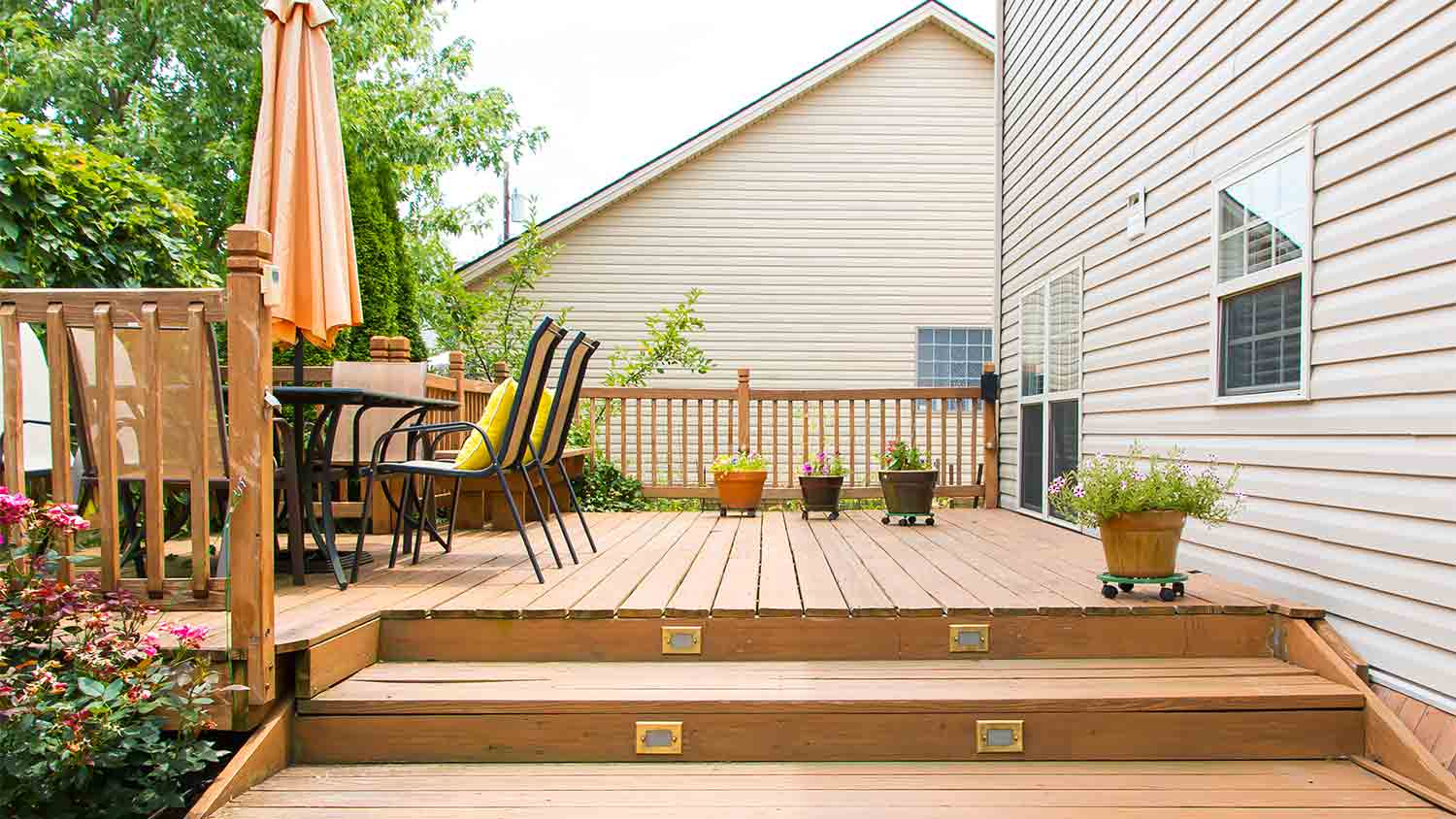
Yes, deck footings typically require an inspection before laying down concrete. While not all local building codes require footing inspection, proper placement ensures a safe and structurally sound deck. An inspector will verify that the deck can adequately hold what you put on top of it., and that the footings have been dug to the correct dimensions.

When deciding if you should use 2x6 or 2x8 deck joists, consider the size of the deck, joist spacing, and materials. Larger decks, larger-spaced joists, and weaker wood all require more support, meaning they need larger joists. For example, 2x8 redwood joists spaced 16 inches apart can only safely span up to 10 feet and 7 inches. On the other hand, 2x10 southern pine joists spaced 12 inches apart can be as big as 16 feet and 2 inches. If you aren’t sure what size joist is best for your project, speak with your deck builder.

The Elk Mound, WI homeowners’ guide to deck maintenance services

From average costs to expert advice, get all the answers you need to get your job done.