


Top-rated energy efficiency auditors.

Get matched with top energy efficiency auditors in Conover, WI

Enter your zip and get matched with up to 5 pros

Need a pro for your energy efficiency auditing project in Conover, WI?

Select your specific project to find the pro for you.

Find Energy efficiency auditors in Conover

Energy Efficiency Auditing questions, answered by experts

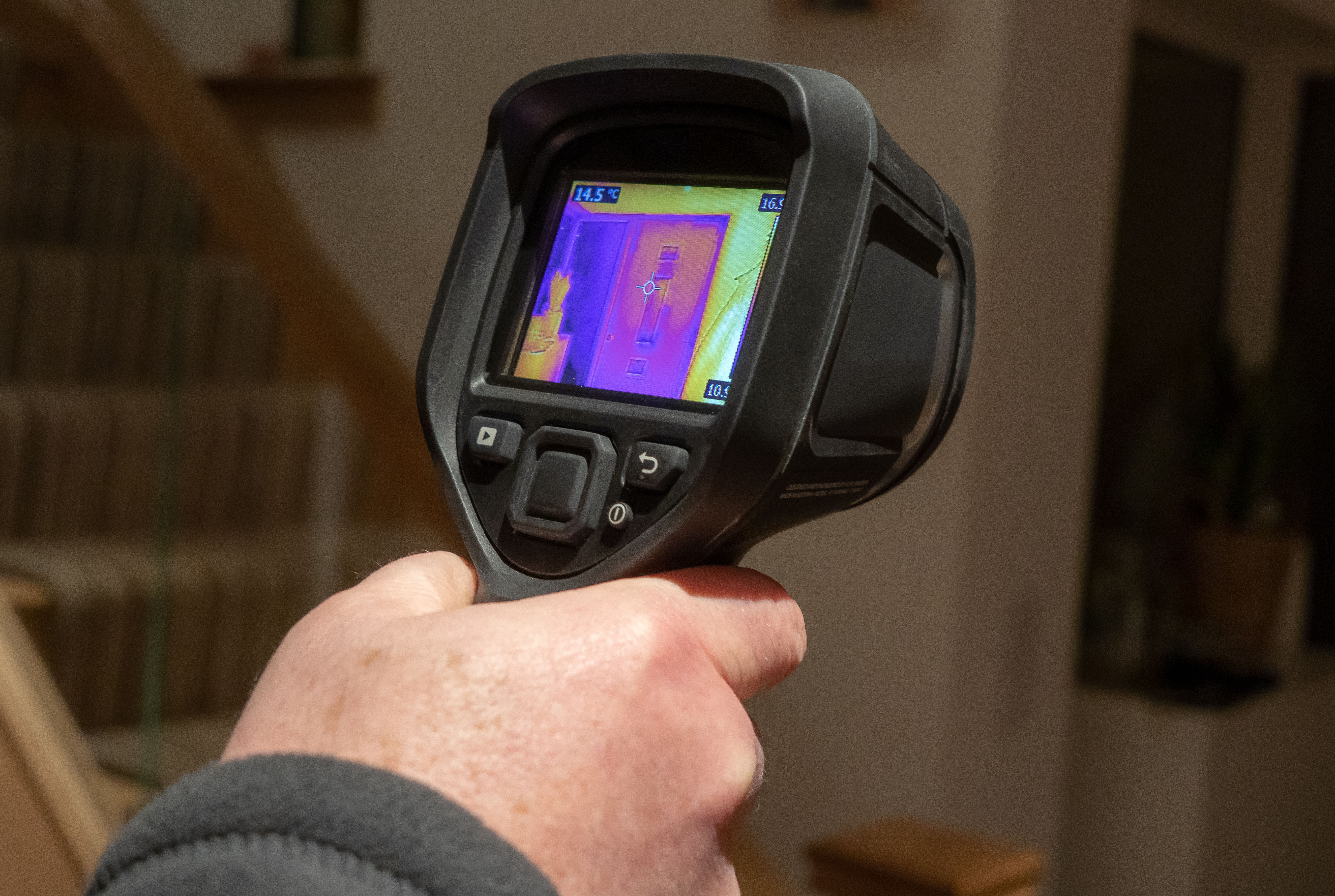
The difference between an energy auditor and a home inspector is primarily in the purpose of the inspection. The energy auditor conducts tests in your home to determine the energy efficiency levels in areas like windows, insulation, and doorways. The auditor then makes recommendations for ways to improve a home’s energy efficiency

A home inspector examines various structures of your home to determine that everything is up to code and gauge the condition of features like the roof, foundation, HVAC, and electrical. The home inspector reports on the overall home and makes repair recommendations.

Yes, skylights can affect a home’s energy efficiency, either positively or negatively. Properly installed, energy-efficient skylights with Low-E coatings, double glazing, and UV-blocking glass can help regulate indoor temperatures and reduce heating and cooling costs. However, poorly insulated or older skylights can contribute to heat loss in winter and excess heat gain in summer, lowering overall energy efficiency.

There are a couple of ways you can save on the cost of your home energy audit. First, find out if you qualify for programs like the Department of Energy’s Weatherization Assistance Program for low-income households. Next, check with your local utility company to find out if you qualify for any local rebate programs to offset the cost of this helpful service.

Energy-efficient windows are judged on their performance according to a few different factors, including heat transfer, air leakage, light transference, and condensation resistance. If you're unsure whether a window is energy-efficient, look for an ENERGY STAR® label from the U.S. Environmental Protection Agency (EPA). If various products, including windows, meet energy-efficiency standards set by the federal government, the EPA issues this label to help consumers identify energy-efficient products.

Dehumidifiers typically use 300 to 700 watts of electricity per hour, whereas portable dehumidifiers use about 40 watts per hour. The exact amount of electricity your dehumidifier will generate depends on its capacity and energy efficiency. Generally, higher-capacity dehumidifiers generate more electricity than lower-capacity units, but they also usually have better energy efficiency over the long run.

The Conover, WI homeowners’ guide to energy efficiency auditing services

From average costs to expert advice, get all the answers you need to get your job done.