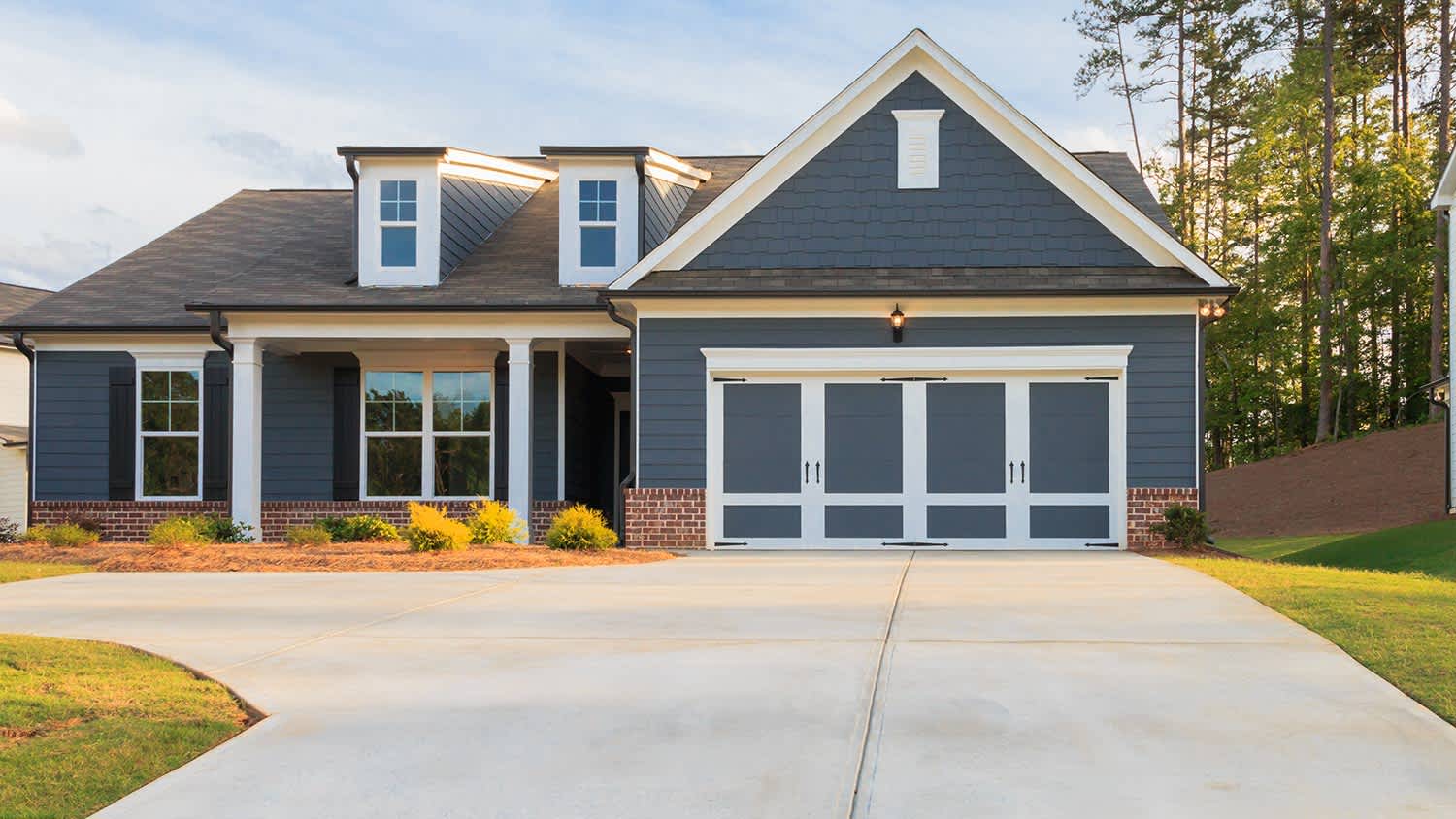
"They did great. The entire surface was level and free from tripping hazards. It is important to have them seal the cracks because there will be water from snow melt and the concrete will move. This will get you the 5 yr warrantee just in case."
"We had our concrete floors raised as they have settled over the years. Joey and Derrick were the team that did the raising. Fantastic professionals and excellent workmanship. They not only answered our questions but explained why and how the foam worked. I was a home builder for 10 years and can recognize good workman. These two were outstanding. If you need foundation work or concrete floors lifted, give Innovative a call. DON'T SETTLE FOR ANYTHING LESS."
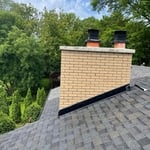
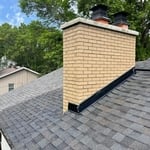
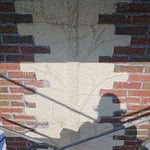
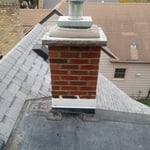
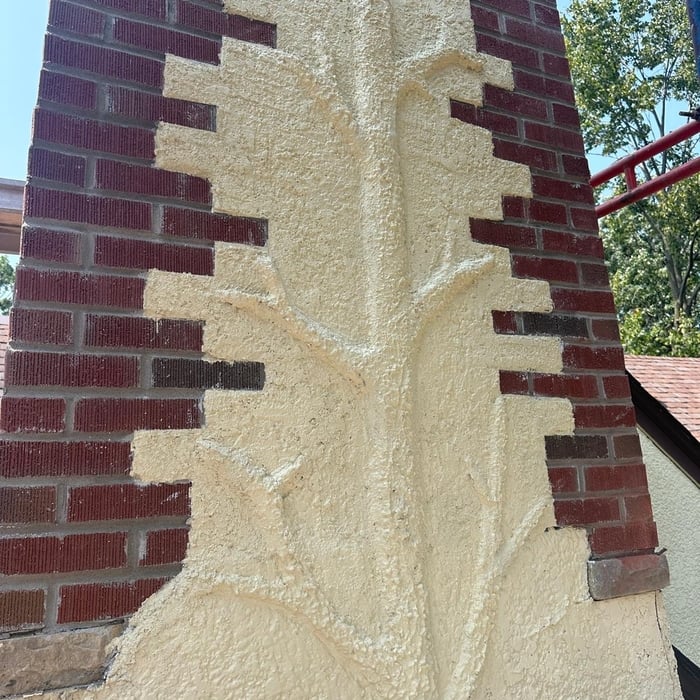
"I am extremely pleased with the timeliness, affordability, and quality of the masonry work. Pedro and his crew were professional, courteous, and very diligent. I would happily hire him again to perform additional work."
I’m a very dedicated person and take pride in my work, I’m very focused on msking my customers satisfied, and always finish the job with a happy customer,
T.A.P Concrete Masonary is committed to excellence in every aspect of our business. We uphold a standard of integrity bound by fairness, honesty, and personal responsibility. Our distinction is the quality of service we bring to our customers. Accurate knowledge of our trade combined with ability is what makes us true professionals. Above all, we are watchful of our customers' interests, and make their concerns the basis of our business.
Concrete Mudjacking questions, answered by experts
Most states and municipalities don’t require concrete mudjacking companies to carry a specific license, but they usually need to have a general contractor’s license, and they should be fully insured. The only exception is if the mudjacking company provides foundation repairs as well, or if it offers mudjacking for home foundations. In that case, they will typically need a foundation repair contractor’s license. You can check state requirements and then use Angi’s license lookup tool to confirm that a company is properly licensed to provide mudjacking services in your area.
Mudjacking can be an expensive foundation repair process, but in many cases, it’s well worth the investment. This is especially true if you’re lifting a portion of sunken foundation slab back into place. In that case, mudjacking can help avoid major structural damage and even home collapse by restoring the integrity of your structure with minimally invasive procedures. Mudjacking a concrete patio, walkway, or sidewalk can be worthwhile because it removes tripping hazards and makes your outdoor area more aesthetically appealing.
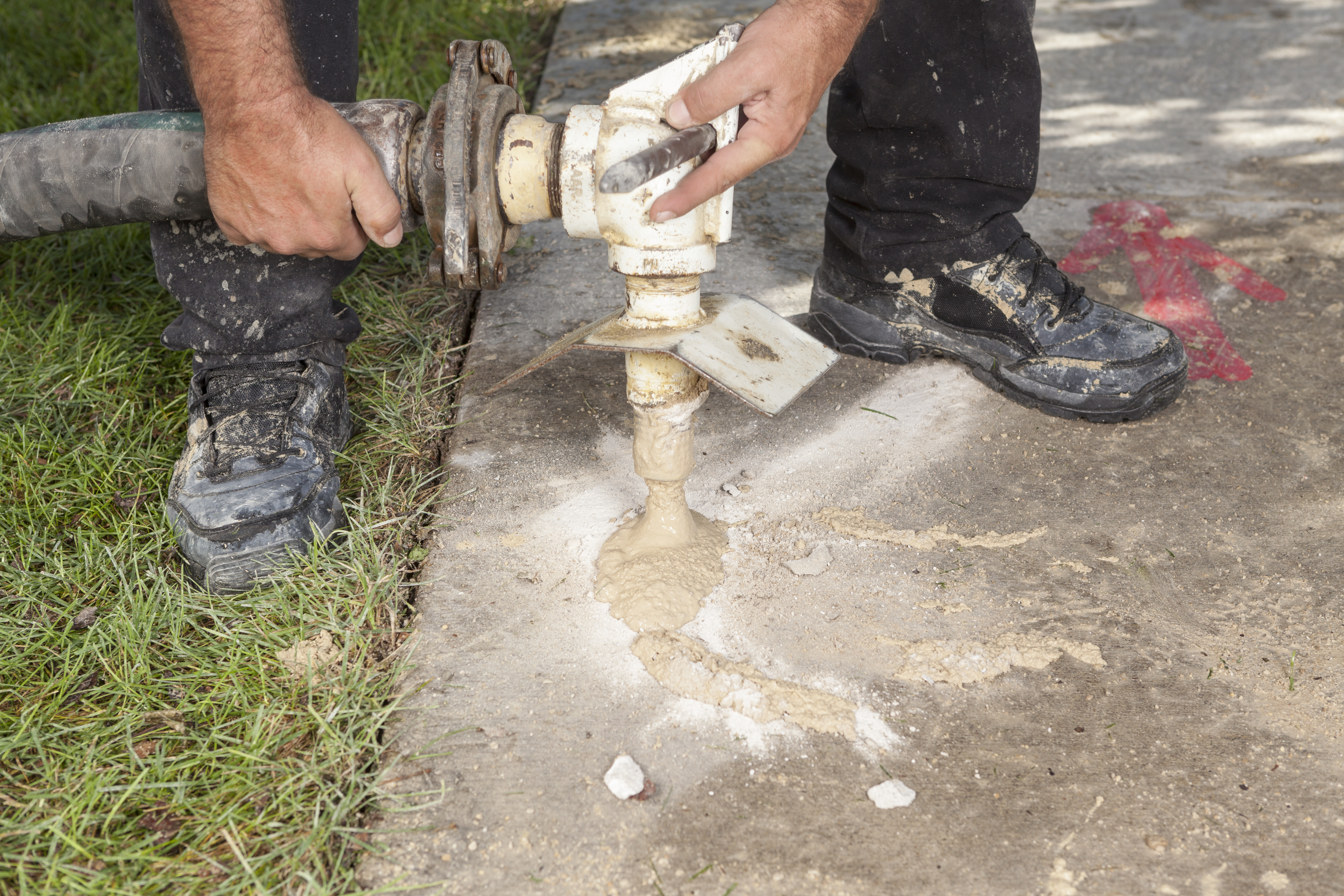
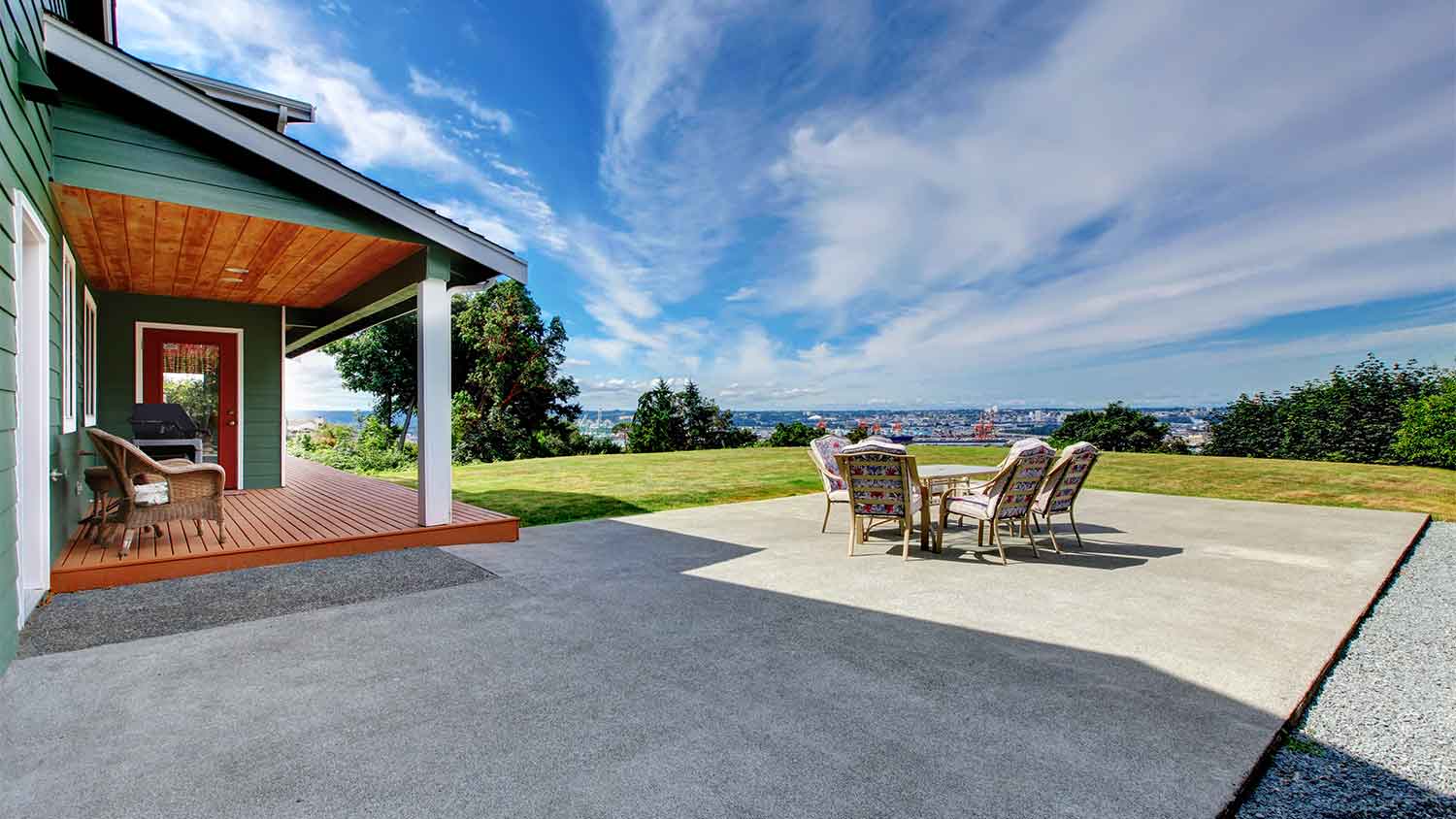
Mudjacking is suitable for sidewalks, driveways, patios, and nearly all exterior flat structures. However, it may not suit severely damaged or heavily cracked areas.
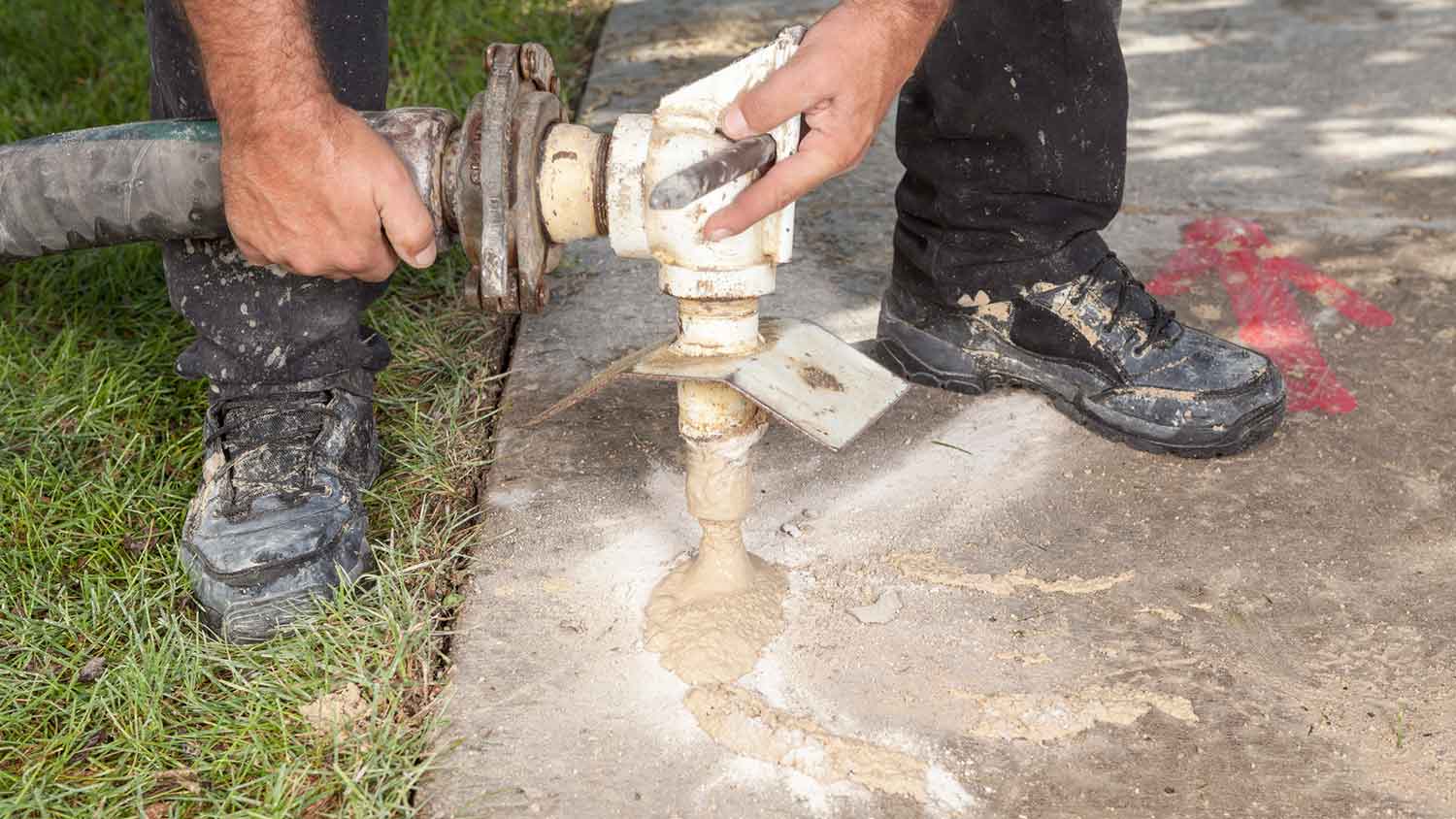
Yes, expanding foam (also known as polyurethane foam) can lift concrete. This approach, called polyjacking, involves injecting the foam rather than concrete slurry to fill voids and raise the concrete slab back into place. It’s often faster and requires smaller drill holes than traditional mudjacking, though it may come at a higher cost. Some contractors also prefer polyjacking over mudjacking for more damaged and delicate slabs.
Polyjacking and mudjacking can both be effective solutions for sinking concrete, but they have key differences. Polyjacking, which uses expanding polyurethane foam, is often considered a better option because the foam is significantly lighter than the cementitious material used for mudjacking. This reduced weight puts less pressure on the underlying soil and lowers the risk of future sinking. Polyjacking is suitable for any sinking concrete slab, while mudjacking is typically only recommended for non-structural concrete, such as sidewalks, patios, pool decks, and driveways. The primary drawback of polyjacking is its cost, which can be up to four times higher than mudjacking—as much as $25 per square foot compared to a maximum of about $6 per square foot for mudjacking.
The Bloomer, WI homeowners’ guide to concrete mudjacking services
From average costs to expert advice, get all the answers you need to get your job done.
DIY mudjacking is an advanced task, but learning how to raise a concrete slab is great to know for many scenarios. Let's take a look at how to DIY mudjack.