






Top-rated arborists.

Get matched with top arborists in Almond, WI

Enter your zip and get matched with up to 5 pros

Need a pro for your arboricultural service project in Almond, WI?

Select your specific project to find the pro for you.

TRUSTED BY ALMOND, WI HOMEOWNERS

  • Average homeowner rating star icon4.6
    Average homeowner rating
  • Verified reviews icon152
    Verified arboricultural services reviews

Find Arborists in Almond

Avatar for Jorge's Lawn Care
Jorge's Lawn Care
4.9(
7
)
Tree Stump - RemoveTree Stump - Remove - For Business

Serving Almond, WI and surrounding areas

Approved

In business since 2019

Free estimates

Warranties offered

"Excellent! The Team (3-4 Men) was diligent, efficient, polite and hard-working. They left the site immaculate. Their work has already received compliments from neighbors and others. The Supervisor visited the site to evaluate the work done; he, too, was very professional. I hope to work with Jorge's Landscaping again."
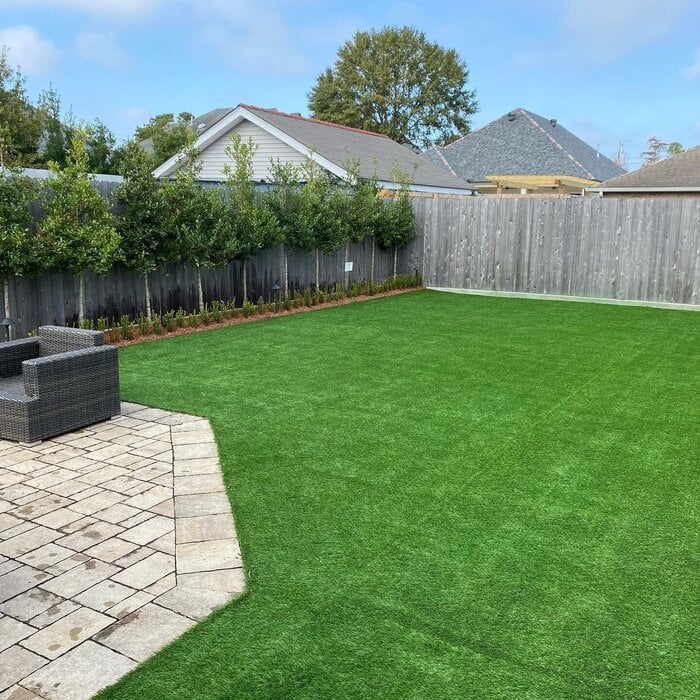
White Marble Project
Planter Bed Turf
Natural Gray Veneer Steps
Clean and Natural
Back yard Upgrade

+157

1 neighbors recently requested a quote
Recommended by57%of homeowners
Central Wisconsin Excavating
New to Angi
Tree Stump - Remove

Serving Almond, WI and surrounding areas

Approved

In business since 2018

Free estimates

Credit card accepted

I'm a firefighter and I decided to add more income and work to my background, so i bought an excavator and took off from there. At company , our company is based on the belief that our customers' needs are of the utmost importance. Our team is committed to meeting those needs. We welcome the opportunity to earn your trust and deliver you the best service. No job is too big or too small for our experienced team. Call today for a quote.\n

Bear Point LLC
New to Angi
Tree RemovalTree Stump - RemoveTree Trimming+1 more

Serving Almond, WI and surrounding areas

Approved

\nBear Point LLC specializes in land clearing, forestry mulching, brush removal, excavation, grading, and site preparation throughout Wisconsin. We take pride in providing reliable service, honest communication, and quality workmanship on every project. Whether you’re preparing a homesite, clearing trails, reclaiming overgrown property, or improving your land, we’re committed to delivering efficient, cost-effective solutions with a focus on safety and customer satisfaction.

1 neighbors recently requested a quote
Showing 1-10 of 48
Arborists questions, answered by experts

When a palm tree no longer produces new fronds and old fronds start turning yellow-brown, that’s a sign the tree is dying. However, transplanted palm trees can show these signs for the first several months as they re-establish themselves. It’s best to keep watering and not give up on the palm tree until a couple of seasons have passed and you’re sure it’s not coming back to life.

Not all leaning trees are dangerous, but they can be a hazard as gravity may eventually cause them to fall. A key factor is whether the lean is new or has been present for a long time. Trees that have grown with a lean for years are not typically an immediate danger, but a sudden lean is a cause for concern as it often indicates weakening roots. If a tree is leaning more than 15% from vertical, you should consider having it straightened or transplanted. To be safe, it's always best to hire a professional arborist to inspect any leaning tree to assess the risk and avoid potential accidents.

For safety reasons, leaning trees are best removed by a professional, as they may often tear away from the hinge, causing you to lose control over where the tree falls. If you choose to cut down a tree leaning slightly, avoid cutting off root protrusions before you start. Make your hinge a little longer than usual by cutting it deeper (up to 30% of the diameter) and applying a wedge into the felling cut on the side the tree is leaning. Stand away from the direction the tree leans while making your felling cut.

The amount of time it takes for a tree trunk to rot depends on several factors, including the tree’s size, species, and environmental conditions. It can take anywhere from a few years to several decades for a tree’s trunk to rot. A tree stump, on the other hand, can take up to 10 years to disappear after it’s decayed naturally.

If executed correctly your tree should survive after being transplanted to a new spot. However, effective transplanting requires six months, careful root pruning, safe transport to the new location, and replanting in prime soil conditions. You’ll also need an appropriately sized root ball for a complete tree transplant. A good rule of thumb is that, for every inch in diameter, your tree’s root ball needs to be around 11 inches. So a tree with a diameter of six inches needs a root ball of approximately 66 inches.

The Almond, WI homeowners’ guide to arboricultural services

From average costs to expert advice, get all the answers you need to get your job done.