







Top-rated structural engineers.

Get matched with top structural engineers in Adams, WI

Enter your zip and get matched with up to 5 pros

Need a pro for your structural engineering project in Adams, WI?

Select your specific project to find the pro for you.

Find Structural engineers in Adams

Avatar for Evolution Drafting
Evolution Drafting
3.4(
96
)

Serving Adams, WI and surrounding areas

Approved

In business since 2018

Free estimates

Emergency services offered

"I hired them to create plans for an apartment building. The process was quick and painless. Cost was good. The plans are full complete abd ready to take to builders for quotes. I will definitly use them again."
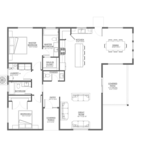
Zeal Floor Plan
Charcoal
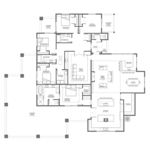
Palm Floor Plan
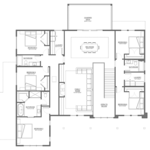
Charcoal Floor 2
Charcoal Floor 1

+23

Response time1 day
Response rate100%
56 neighbors recently requested a quote
Ascended Constructions
New to Angi

Serving Adams, WI and surrounding areas

Approved

In business since 2023

Offers commercial services

We’re a family owned and operated company that values honesty and integrity, and stands behind our work. We offer over 40 years of industry experience. We specialize in Asphalt Shingle Roofing installation, replacement, and repairs. Our services are customized to the individual project, paying close attention to the details of each project that we're involved with. We look forward to building long-term relationships with our clients and guarantee your satisfaction!

5 neighbors recently requested a quote

Avatar for Evolution Drafting
Evolution Drafting
3.3(
38
)

Serving Adams, WI and surrounding areas

In business since 2015

Free estimates

Emergency services offered

"I was really under the gun due to a prior Architectural firm not performing their duties per building plan codes. Not only were the plans incomplete but the City Plan Reviewer states(The Worst plans he’s ever seen) they will not make adjustments unless there is an additional charge for Thousands. Evaluation’s saved my clients and drew our project per code, along with Engineering in less time then they quoted. I highly recommended them, Especially Kirsten. You went above and beyond trying to coordinate this project. The staff was very professional and I will use them on all my projects. Sincerely, Frank B BCM Builders"
Charcoal Residential
Response time6 hrs
Recommended by23%of homeowners
Showing 1-10 of 17
Structural Engineering questions, answered by experts

Structural engineers typically conduct inspections during a home sale or renovation, looking for signs of structural damage in various structures throughout the building, such as load-bearing walls, joists, beams, roofing trusses, foundations, and chimneys. Some of the warning signs that structural engineers check for include:

  • Dry rot

  • Infestation

  • Shifting or cracking foundations

  • Erosion

  • Water damage

  • Sagging, shifting, or damaged walls, ceilings, or roofing support

It's safe to assume that all exterior walls are load-bearing, or at least have load-bearing characteristics. Some older homes feature porches or bump-outs that don't rest on the home's foundation. However, they still must carry the weight of the roof section they support. Walls containing floor-to-ceiling glass or other non-structural elements must use post and beam configurations to meet load-bearing criteria.

Foundation cracks that are 1/8 inch wide or less, aren’t uneven across the gap, and don’t continue widening over time are usually just normal settling cracks and don’t suggest structural issues. Horizontal cracks and stair-step cracks on foundation walls, any cracks that continue widening, are wider than 1/8 inch, or where one side juts out beyond the other, are often indicative of structural damage.

The standard thickness for an LVL beam is between 1.75 inches and 7 inches. However, you can order LVL beams in non-standard sizes as well. When you work with a contractor, they can source beams that are the appropriate size for your project for you after assessing your blueprints.

A freestanding brick wall that's only one brick thick can usually stand six to eight feet high. If you need a higher wall, it should be at least two bricks thick for adequate stability, and it might require a footing to support the added weight. Additionally, some areas have regulations and codes dictating how high a brick wall can be, so check with local code enforcers to ensure your proposed wall complies with any regulations.

The Adams, WI homeowners’ guide to structural engineering services

From average costs to expert advice, get all the answers you need to get your job done.