Top-rated window tinters.

Get matched with top window tinters in Stowe, VT

Enter your zip and get matched with up to 5 pros

Need a pro for your window tinting project in Stowe, VT?

Select your specific project to find the pro for you.

Find Window tinters in Stowe

Avatar for Frontpoint
Frontpoint
4.7(
8,819
)

Serving Stowe, VT and surrounding areas

In business since 2007

Free estimates

Emergency services offered

"Sales process was good, courteous and helpful. Installation instructions were easy to follow. Did have a small issue with one sensor which was easily solved with a call. Control panel is easy to use and well constructed. Phone app is the best part. Not a big fan of a 2 year contract and the monthly rate feels a little high, but definitely a decent system. I had emailed them a question pertaining installing on double hung windows and never received a reply, but other than that their phone support prior to that was good."
Recommended by93%of homeowners
Window Tinting questions, answered by experts

The average cost for home window tinting is around $600, with most homeowners paying between $150 and $1,600. Costs can also be calculated per square foot, typically ranging from $2 to $100, or per window at around $75 each. For example, tinting one or two windows might cost between $200 and $350, while a larger project of 13 to 15 windows could range from $4,124 to $4,747.

Several factors influence the total project cost, with the number and size of the windows being the most significant. Other key factors include the type, shade, and quality of the tint film, as well as labor costs. Additional treatments, such as low-emissivity (low-E) coatings, can also increase material costs.

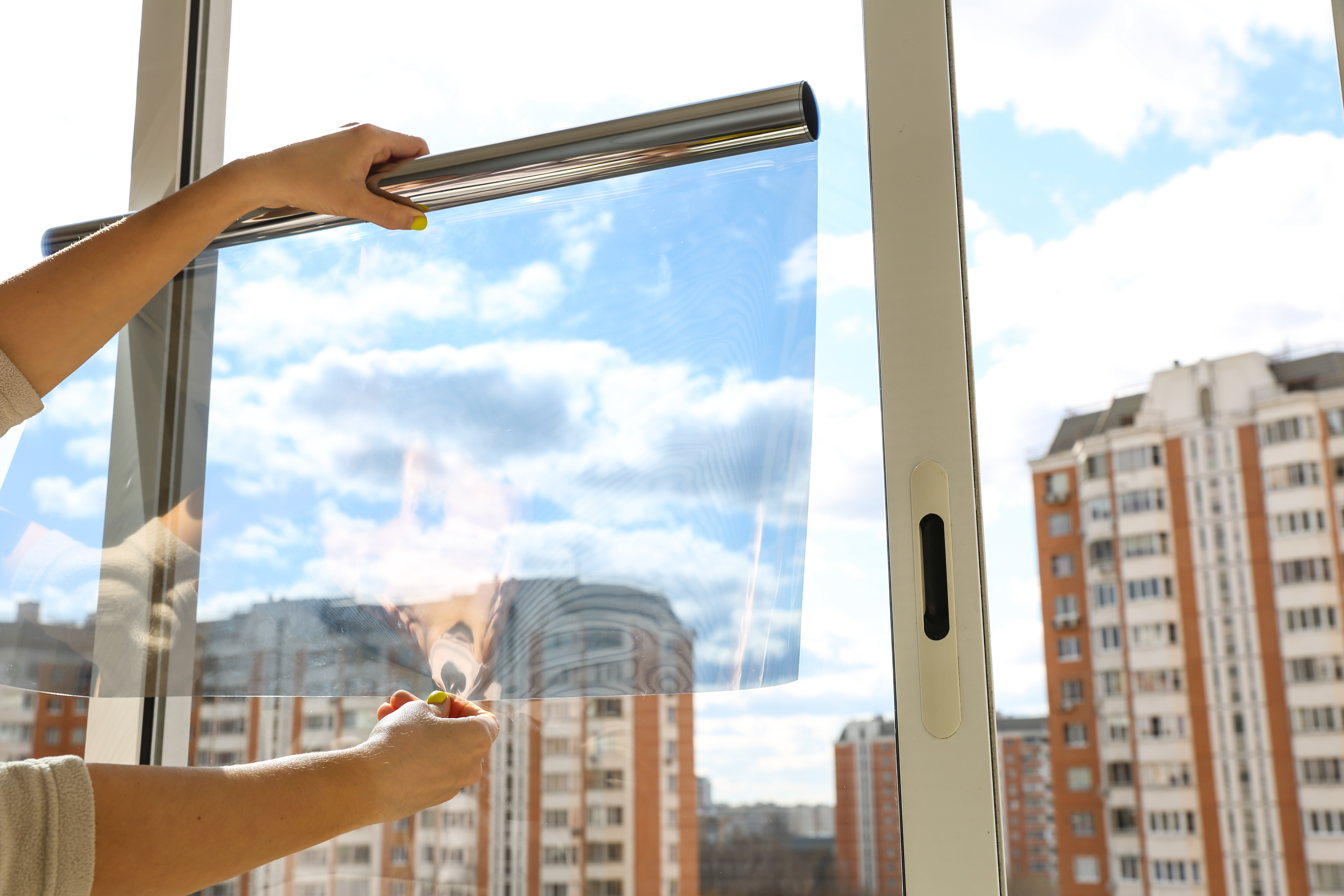
Window tinting offers several benefits, such as making your home more energy-efficient by blocking harsh sunlight, protecting furniture from fading, and increasing privacy. For this reason, many homeowners choose to tint only the windows in specific areas where direct sunlight and privacy are primary concerns.

Use a combination of blackout methods to truly black out your windows. If you want to eliminate all light from your room, try installing a very dark tinted film and then putting up blackout shades over the entire window. Reach out to a professional and request some custom-made shades for the best result.  

The ideal thickness of window film depends on various factors and specific needs. Thicker films generally offer increased durability and enhanced security benefits. They are also typically more effective at reducing heat and blocking UV rays. However, thinner options may be preferable for some applications, such as decorative or privacy films. Thinner films are easier to apply and provide adequate privacy without compromising visibility. Ultimately, the best thickness of window film will depend on your specific requirements, desired benefits, and the recommendations of professional installers.

The most popular treatment for a skylight is skylight shades. There are five primary types: manual, motorized, blackout, cellular//honeycomb, and Venetian. Motorized skylight shades are the most convenient, especially for skylights that are higher up, but manual shades are the most cost-effective treatments. Cellular/honeycomb shades are a perfect option for anyone who wants energy efficiency and an attractive look.

Energy-efficient windows are judged on their performance according to a few different factors, including heat transfer, air leakage, light transference, and condensation resistance. If you're unsure whether a window is energy-efficient, look for an ENERGY STAR® label from the U.S. Environmental Protection Agency (EPA). If various products, including windows, meet energy-efficiency standards set by the federal government, the EPA issues this label to help consumers identify energy-efficient products.

The Stowe, VT homeowners’ guide to window tinting services

From average costs to expert advice, get all the answers you need to get your job done.