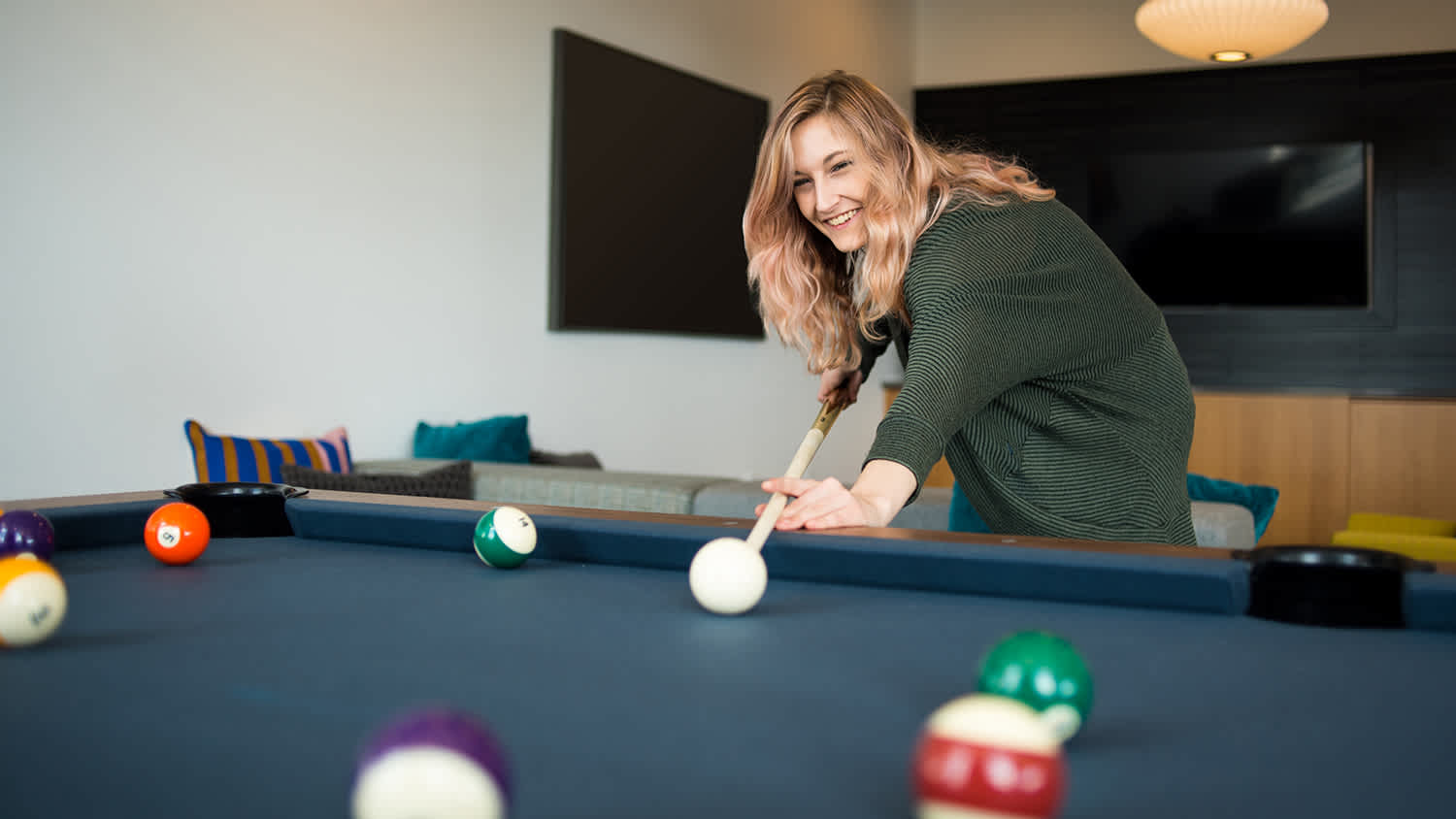







Top-rated pool table assembly pros.

Get matched with top pool table assembly pros in Saint Albans, VT

Enter your zip and get matched with up to 5 pros

Need a pro for your pool table assembly project in Saint Albans, VT?

Select your specific project to find the pro for you.

TRUSTED BY SAINT ALBANS, VT HOMEOWNERS

  • Average homeowner rating star icon4.5
    Average homeowner rating
  • Verified reviews icon50
    Verified pool table assembly services reviews

Find Pool table assembly pros in Saint Albans

Details Painting & Contracting
5.0(
1
)

Serving Saint Albans, VT and surrounding areas

Approved

In business since 2016

Free estimates

Credit card accepted

We're a locally owned and operated company with 5+ years of industry experience. We value honesty and integrity, and stand behind our work. We specialize in both interior and exterior residential and commercial painting projects. We pride ourselves on the quality of our work as well as our commitment to outstanding results. We look forward to building long-term relationships with our clients and guarantee your satisfaction! \n\n

Response time11 hrs
6 neighbors recently requested a quote
Recommended by100%of homeowners
...
Showing 1-10 of 83
Pool Table Assembly questions, answered by experts

The best temperature to paint a pool deck is between 50 and 90 degrees Fahrenheit, because many paints and sealers require temperatures warm enough for the chemical reaction to take place for proper curing. The paint should not be allowed to freeze, and temperatures above 90 degrees can cause the paint to dry too quickly, also preventing the chemical reaction from following through to completion.

Most importantly, you should never cut corners when building a pool. Whether it’s an in-ground or aboveground, poorly constructed pools are dangerous to both the swimmers and your property. Leaks can even lead to home foundation damage. While you can DIY smaller elements of pool installation, always hire a contractor to oversee the process.

When you’re winterizing your pool, you need to drain some of the water to prevent cracking and warping from ice. Nonetheless, you should never drain all of the water. Ideally, you’ll lower the water level to anywhere from four to six inches below the skimmer. This will protect the structural integrity of the walls, help prevent your pool liner from warping, and reduce damage from debris.

Yes, it’s possible to put too much salt in your saltwater pool, and doing so can cause a number of problems, including corroding metal parts and causing the chlorinator to stop working correctly. In general, slightly elevated salt levels won’t cause serious problems beyond salty-tasting water, but you should dilute the water in a pool with extremely high salt levels to prevent damage to its components.

You shouldn’t swim in a pool with algae. When there’s algae, there’s also bacteria that’s feeding on the algae. Also, algae-infested pool water is often chemically imbalanced, which means germs like Cryptosporidium, Giardia, and E.coli could be present. These germs can cause a range of illnesses from gastrointestinal issues, to rashes, and respiratory problems.

The best thing to do is to get rid of the algae first, test and balance the water, and then you can enjoy swimming without any worries.

The Saint Albans, VT homeowners’ guide to pool table assembly services

From average costs to expert advice, get all the answers you need to get your job done.