




Top-rated drywall pros.

Get matched with top drywall pros in Richford, VT

Enter your zip and get matched with up to 5 pros

Need a pro for your drywall service project in Richford, VT?

Select your specific project to find the pro for you.

Find Drywall pros in Richford

David Desroches Construction
3.2(
79
)
Drywall - Repair

Serving Richford, VT and surrounding areas

Approved

In business since 1980

Free estimates

Emergency services offered

"There were some 'blisters' left under the taping. These were pointed out before he left but he said the would flatten as the tape dried. They did not. Also, the final bill was slightly more than the estimate, in spite of my providing the mud and the tape and buying the paint supplies and doing the painting myself."

Addition
 Deck
 Costom bar
 New home
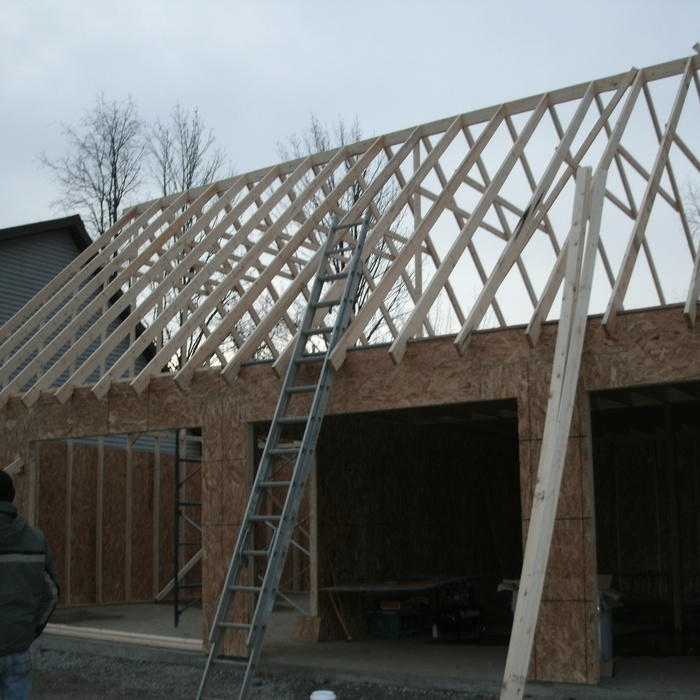
 Garage

+24

12 neighbors recently requested a quote
Recommended by87%of homeowners
Innermost Carpentry
New to Angi
Drywall - InstallDrywall - Repair

Serving Richford, VT and surrounding areas

Approved

Free estimates

Small jobs welcome

Credit card accepted

Finish carpenter serving Chittenden County VT and beyond. Some of my specialties include but are not limited to; interior trim, cabinet installs, tile, flooring, accent walls, built ins, windows, doors, siding and exterior trim. With 10+ years experience in finish carpentry there are no jobs too large or small. We pride ourselves on quality craftsmanship, honest timelines and pricing and an end result that you will be proud of for years to come!

2 neighbors recently requested a quote
Avatar for American Home Shield – Home Warranty
American Home Shield – Home Warranty
3.5(
5,688
)
Drywall - InstallDrywall - Install - For BusinessDrywall - Repair+1 more

Serving Richford, VT and surrounding areas

In business since 1971

Credit card accepted

"Well, the first time the replacement was ordered it was the wrong one, which of course, delayed the installation a week. When it was finally installed I had to pay an additional $850 for code upgrades. This I was not informed of by Home Shield. Then we noticed that there was water on the garage floor and found that the pipe coming in from the wall was leaking at the wall so had to call the plumbing company back out to fix it. They first tried to say it was not their fault but since there wasn't a leak before they installed they did fix it. I have used Home Shield a few times before and never had a problem. Some of the companies they use are not the best so you have to research them before you commit. I have found HS service to be good if you do your homework. At the end of the day I was without hot water for almost 3 weeks but it was do to the plumbing company they sent out."
Additional Photos
Additional Photos
Additional Photos
Additional Photos
Additional Photos

+2

Recommended by65%of homeowners
Showing 1-10 of 49
Drywall questions, answered by experts

Wet-sanding and dry-sanding each have pros and cons. Dry-sanding is less messy, so it’s a good option if you’re trying to minimize dust (for example, if you’re sanding an occupied home or working with particularly dry or dusty drywall mud). However, dry-sanding is quicker because you don’t have to keep rinsing a sponge or wait for it to dry before painting.

This depends on how much plaster is applied and in how many layers, but a decent estimate is around 150 square feet. If you are applying only two coats on a small wall, there is a chance you may only need one or two gallons for the entire project. If you are plastering a large living room wall with high ceilings, using one of the more involved techniques–like Scagliola–that requires several coats, expect the project materials costs to add up quickly. 

Whether you apply the drywall mesh before or after drywall mud depends on the type of patch it is. For self-adhesive patches, you’ll put the patch down first and then coat it with mud. Mesh patches that are not self-adhesive will require you to put mud down first and then press the mesh into it, followed by additional coats of mud.

Plastering and skimming are two different techniques for finishing walls. Plastering involves applying a thick layer of a plaster mixture—typically containing gypsum, lime, cement, sand, and water—to create a new surface. This process often requires multiple coats and is used for repairing significant damage or creating decorative textures. Skimming, on the other hand, is a technique that involves applying a thin layer of drywall compound or joint compound over an existing surface to smooth it out, covering minor imperfections, small cracks, or uneven textures for a polished look. Plastering is generally more costly and labor-intensive than skimming. Although some people use the terms interchangeably, they refer to different processes and materials.

Plaster that sags or bulges, shows extensive deep cracks, or is crumbling from water damage or simply time may need replacement. Plaster walls can look a little “worn” for a long time before they need replacing. The only real way to know if it needs a replacement is to hire a professional to assess the condition of the plaster.

The Richford, VT homeowners’ guide to drywall services

From average costs to expert advice, get all the answers you need to get your job done.