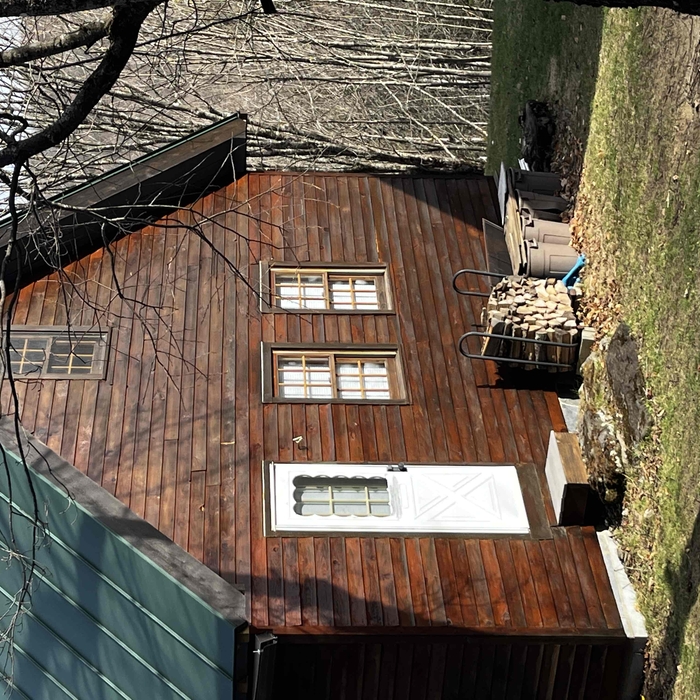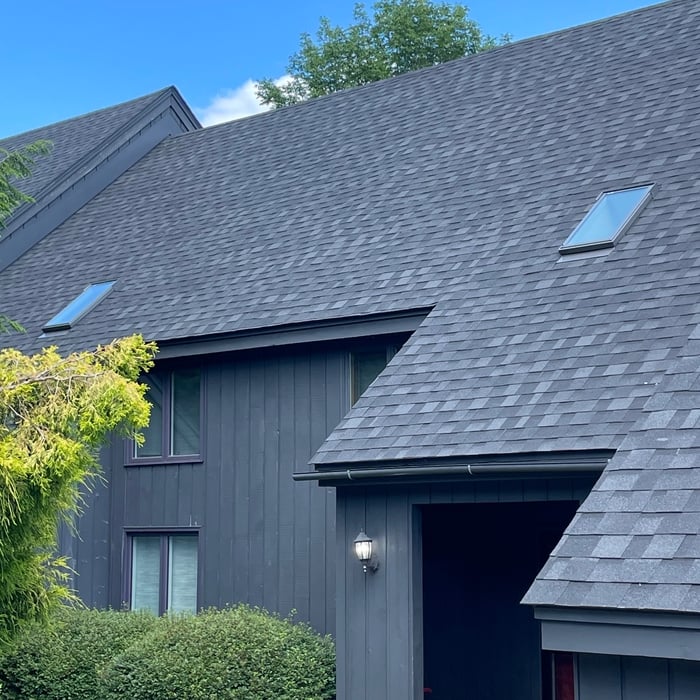

"John's estimate was reasonable and clear. He completed the work within the time frame he gave us. He and Ethan did a great job staining our house and painting the trim. They were efficient and detail oriented. I was worried that our front garden would get trampled, but they protected it with tarps and were careful not to step on plants. I will be hiring John for future projects."

"Nick contacted us immediately. Initially we did not hire him because we thought another "friend" was going to do our project. That fell through so we contacted Nick again and are glad we did. He is very professional and did a very nice and neat job painting an apartment unit. He agreed to work with us in our budget. I definitely would recommend him and expect that we will contact him again for our next painting project."
"Jody was extremely communicative and inspected all work as it was being completed. We ran into some snafus with some wallpaper removal and Jody never seemed frustrated and was always respectful- and to be fair- it WAS super frustrating. We will use them again and always recommend them!"
Were a locally owned and operated company that values honesty and integrity and treats your home as if it were our own. Our services are customized to the individual project, paying close attention to the details of each project that we're involved with. We pride ourselves on the quality of our work as well as our commitment to outstanding results. We look forward to building lasting relationships and guaranteeing your satisfaction!\n
Wet-sanding and dry-sanding each have pros and cons. Dry-sanding is less messy, so it’s a good option if you’re trying to minimize dust (for example, if you’re sanding an occupied home or working with particularly dry or dusty drywall mud). However, dry-sanding is quicker because you don’t have to keep rinsing a sponge or wait for it to dry before painting.
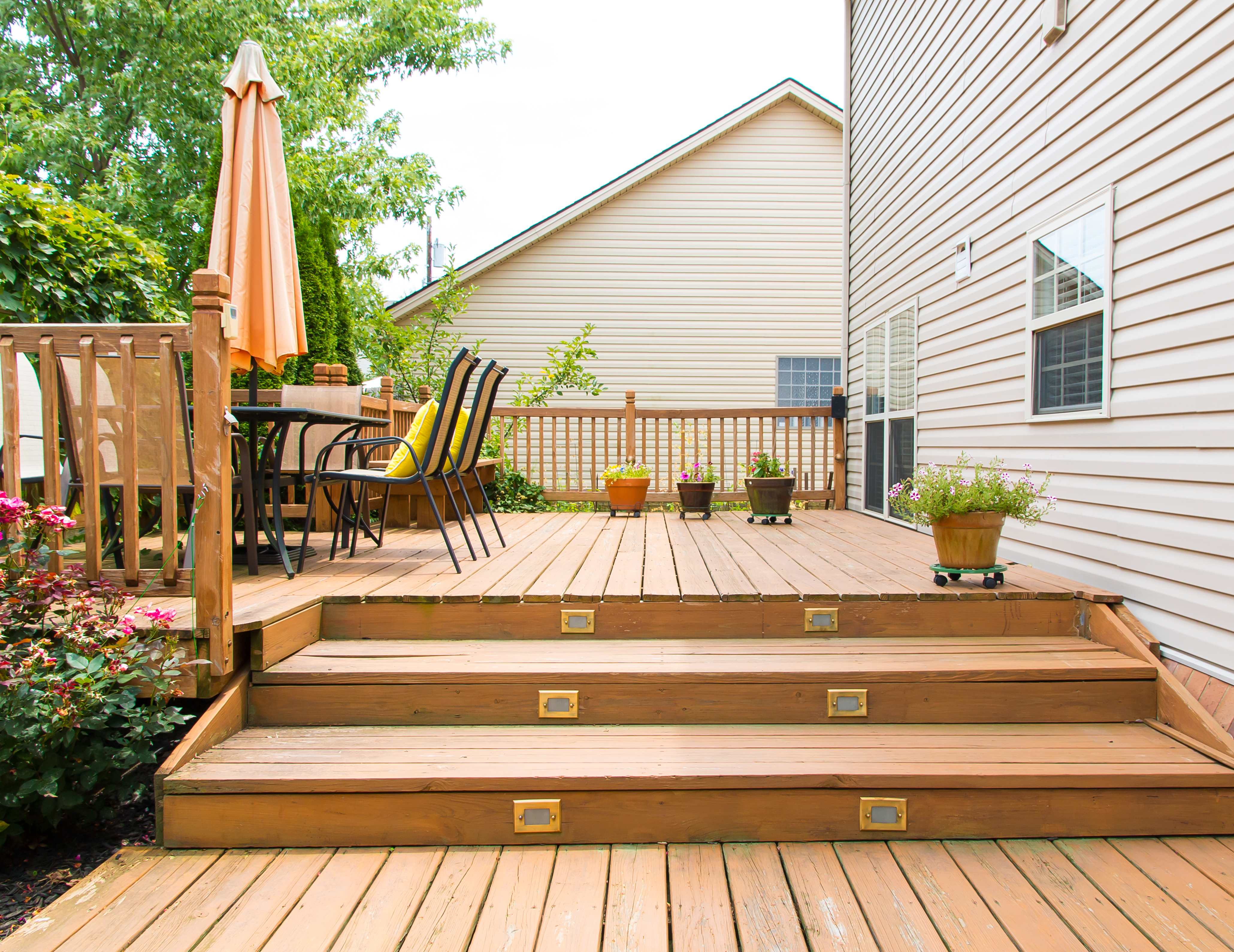
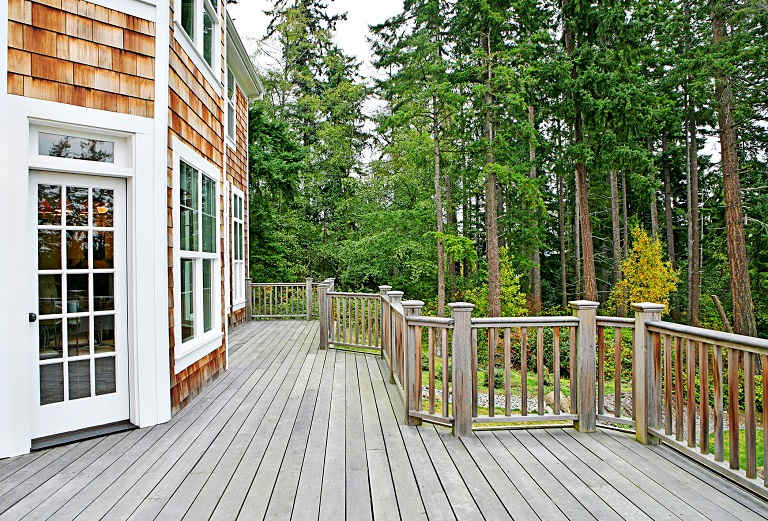
If you have wood decking, there are several common deck problems that you might encounter. For example, your natural wood boards may fade over time due to things like sunlight, weather, and debris. On top of that, some types of wood decking can rot, grow mold, and attract destructive pests—including termites, carpenter ants, and woodpeckers.
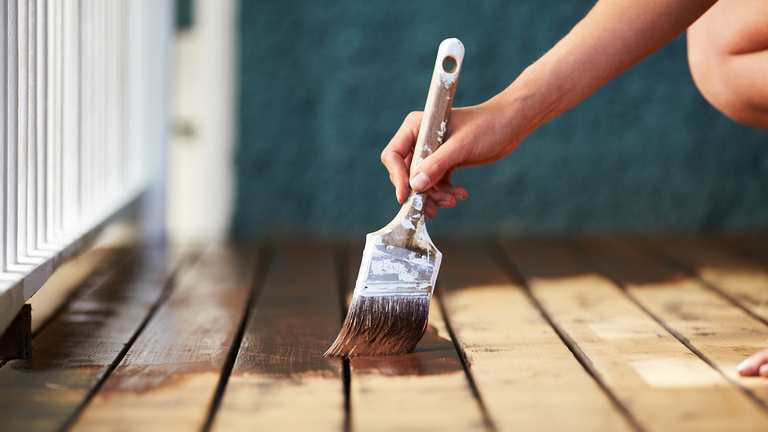
Wood stains last anywhere from two to five years, depending on exposure to the elements, your local climate, the type of stain, and the surface it’s on. For instance, vertical surfaces last longer than horizontal surfaces. Some types of woods, like dense hardwoods, will require a recoat yearly, as they are too dense for the stain to absorb. In any event, apply a recoat every 2 to 4 years. As for storage, a can of unopened stain can last up to 5 years, though results may vary.
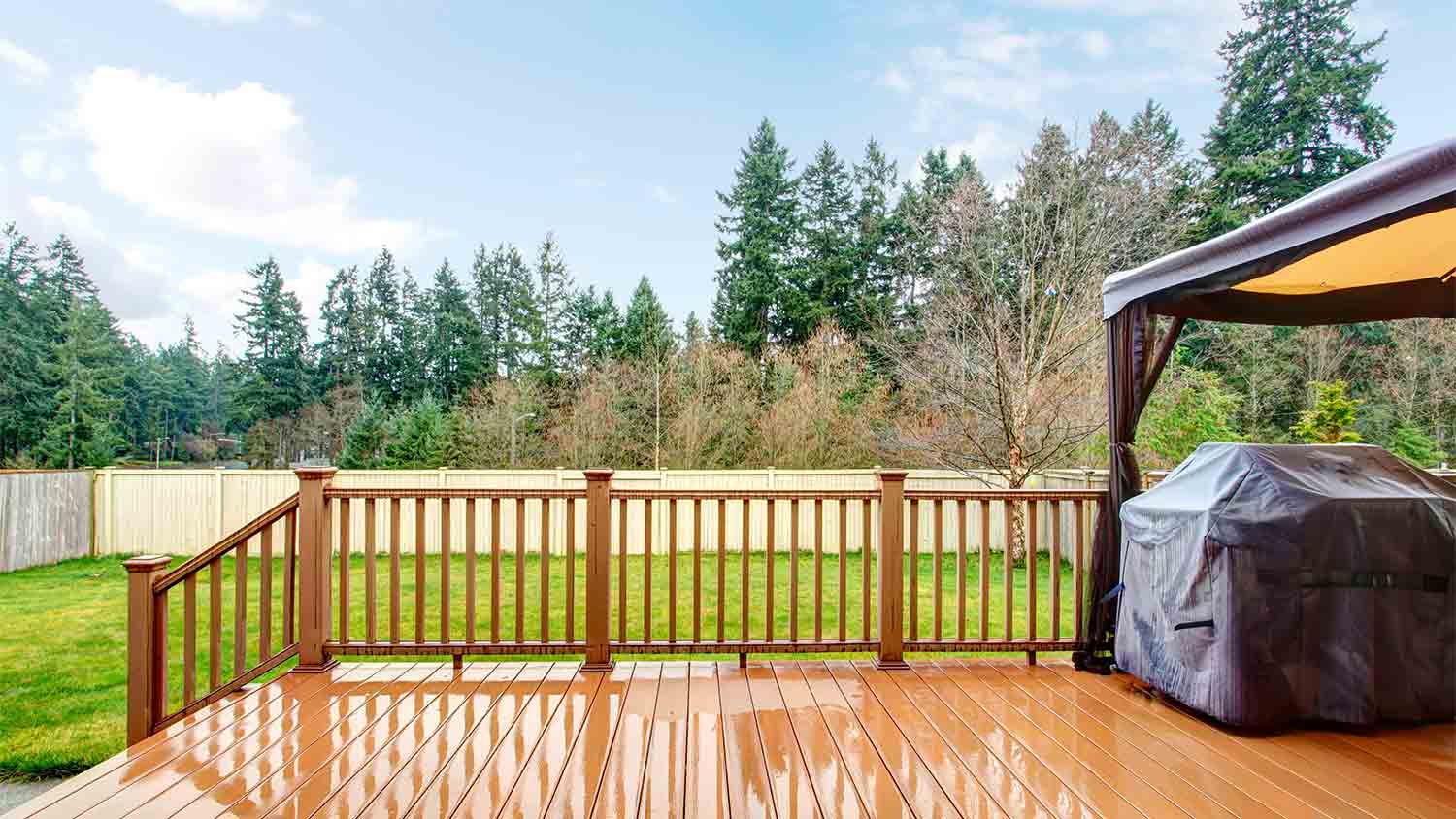
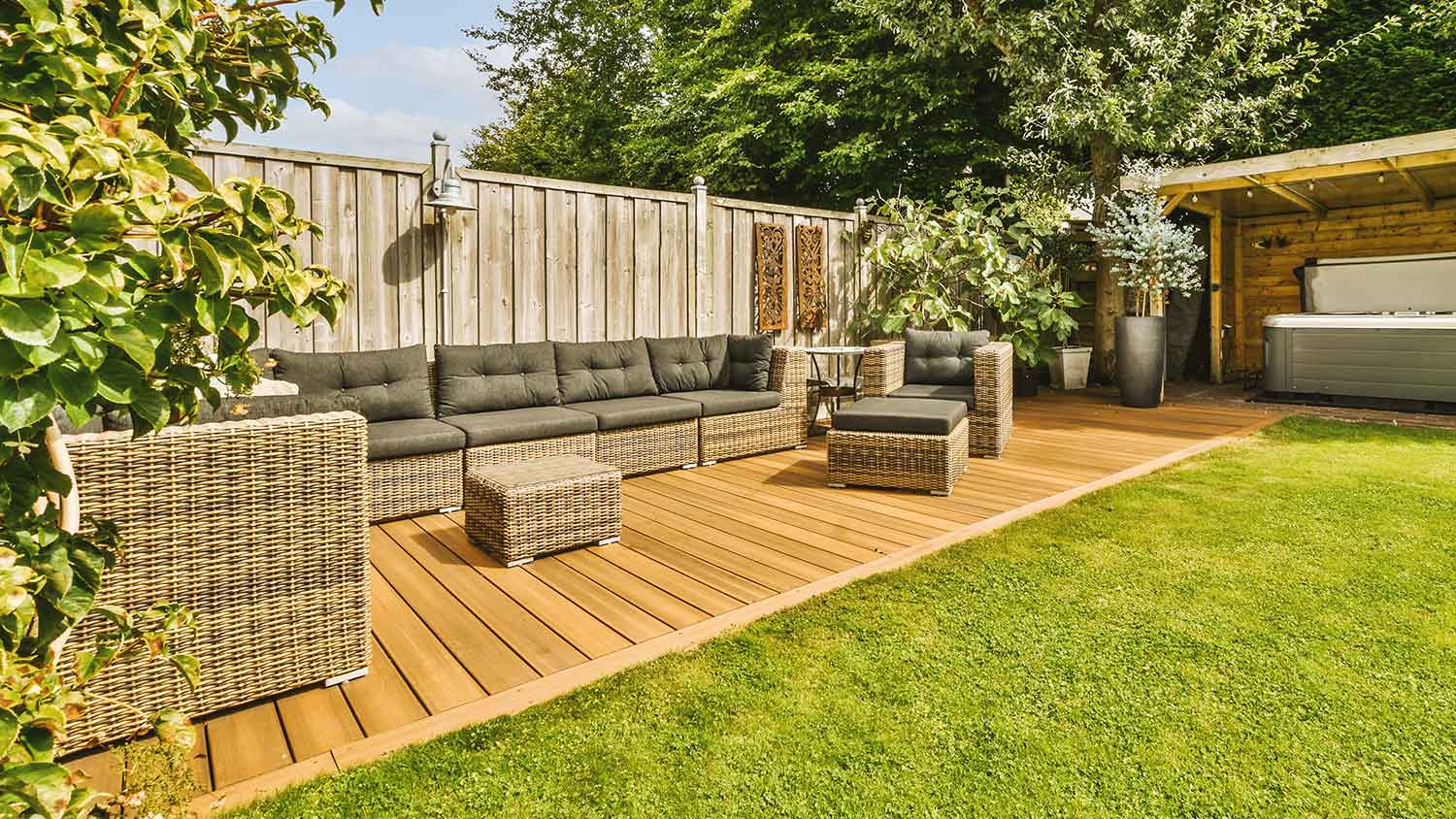
Choosing whether your deck should be lighter or darker than your house is a matter of personal preference, as there is no right or wrong answer. However, considering the pros and cons of each can help guide your decision. Darker colors are often chosen because they show less dirt, footprints, and marks from daily wear, making them easier to keep clean. On the other hand, lighter deck colors tend to stay cooler in the summer. From a design perspective, using a deck color that contrasts with your home's exterior can help make the deck a more defined and distinct feature. Consulting color theory can also make the process of choosing a complementary house and deck color combination easier.
Most gutter painting pros also specialize in complete home exterior painting. You may save by making your gutter painting part of the cost to paint the exterior of a house in its entirety. Many people have all parts of their home exterior painted simultaneously to keep everything looking equally fresh. Consider having walls, trim, porches, shutters, and doors painted as well.
The Berlin, VT homeowners’ guide to deck staining services
From average costs to expert advice, get all the answers you need to get your job done.
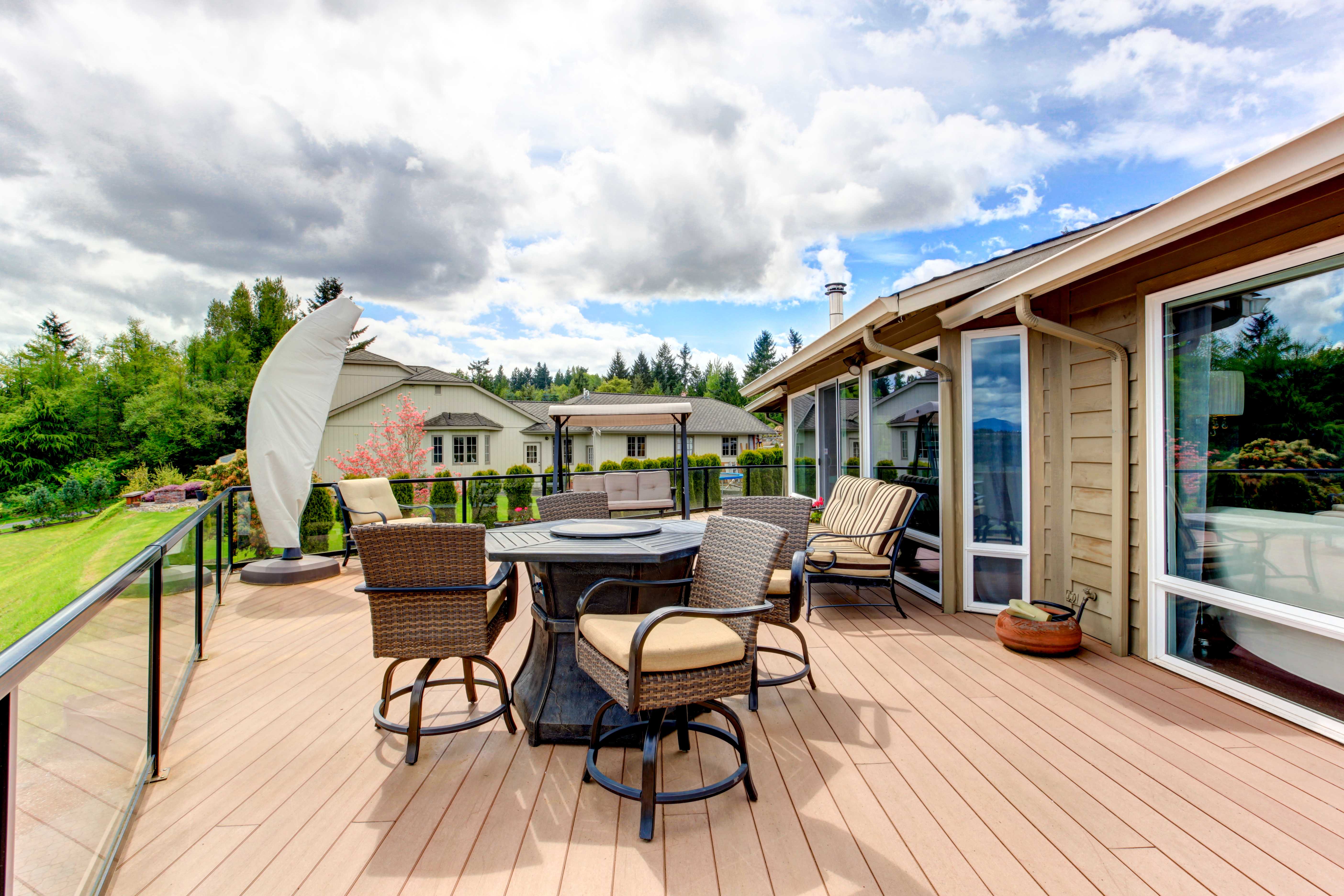
Deck replacement costs depend on materials, any structural damage you need to fix, and more. This guide explores how much it costs to replace or repair a deck.
The best time to stain a deck is when it’s dry but not too sunny. How often you restain a deck depends on climate and wood type, but every two to three years is normal.