




Top-rated energy efficiency auditors.

Get matched with top energy efficiency auditors in Penhook, VA

Enter your zip and get matched with up to 5 pros

Need a pro for your energy efficiency auditing project in Penhook, VA?

Select your specific project to find the pro for you.

Find Energy efficiency auditors in Penhook

Avatar for Earth Right Mid-Atlantic
Earth Right Mid-Atlantic
3.8(
18
)
Home Energy Audit

Serving Penhook, VA and surrounding areas

Approved

In business since 2012

Free estimates

Credit card accepted

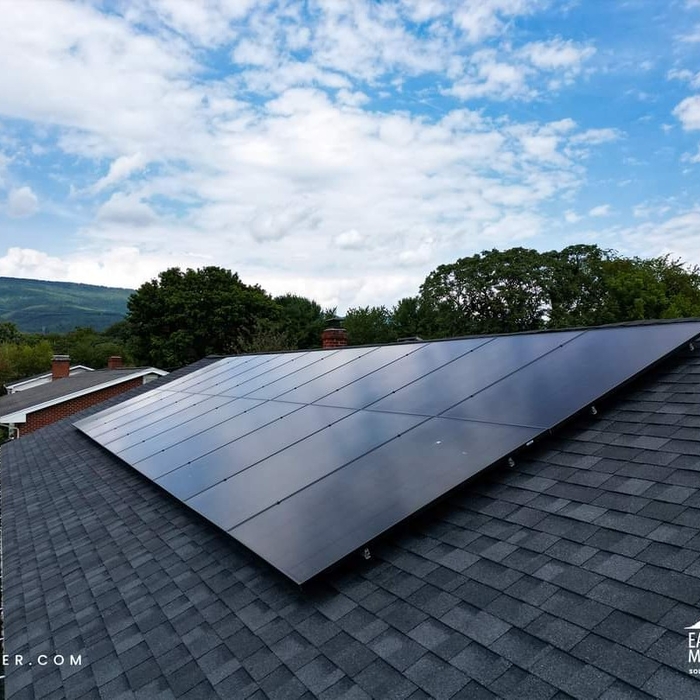
"Earth-Right Mid-Atlantic ha s done two installations. The first was to install a Solar System on our home in July 2019 and the second was to insulator attics with Earth-Shield. The Solar Panel has reduced my monthly bill to $8.33 per month for the last year. The bill is for the Chesapeake Utility Tax. The system works flawlessly. The Earth-Shield was suggested by Earth Right Mid-Atlantic's salesman Corey Argentino. I has explained that we were experiencing imbalances in heating and cooling zones in the house. He suggested a product Called Earth-Shield and the too hot and too cold zones all disappeared. The house now has better and a more uniform heating and cooling result. The Heating Ventilating and AirConditioning systems do not run as frequently. Great Job."
Energy Efficiency Completed Projects

+35

Response time1 day
Response rate85%
74 neighbors recently requested a quote
Avatar for Renewable Engineered Systems
Renewable Engineered Systems
4.7(
12
)
Energy Audit - For BusinessHome Energy Audit

Serving Penhook, VA and surrounding areas

In business since 1998

Free estimates

Emergency services offered

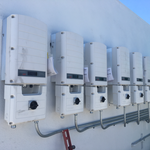
"Wonderful, it was a very quick and easy process. Brian talked us through it and in no time we had a 3KW system mounted on a frame in the garden and the invertor installed in the basement. Brian talked us through working with our power company to get the system checked and approved and we now get credits from the power company for power we provide to the grid. In addition we are set up to get Solar Renewable Energy Credits (SRECs) payments for providing clean energy. We also got a free Energy Audit which helped locate some problems areas we were able to fix. The system has basically cut our energy costs in half. I have hesitation in recommending them to anyone interested in solar energy."
Additional Photos
Additional Photos
Additional Photos
Additional Photos
Additional Photos

+14

Recommended by100%of homeowners
Energy Efficiency Auditing questions, answered by experts

After you receive your audit and report, review the findings and determine which of the prescribed changes you want to make to improve your home’s energy efficiency. Start by contacting the type of professionals recommended by the auditor who can help you remedy the issues discovered during the audit. Prioritize the projects by urgency, importance, and budget. Then, gather estimates from several professionals, remembering to verify any necessary licensing and experience information.

Keep the unit full but not overloaded, ensure door seals are tight, set correct temperatures, and avoid frequent door openings. Position the appliance away from heat sources for optimal performance.

To determine the right size generator for your house, you should calculate the total wattage of the appliances and devices you want to power during an outage. List all essential items, note their start-up wattages, and add them together.

Here are some typical wattage requirements for common appliances:

  • Refrigerator: 600 watts

  • Large dehumidifier: 700 watts

  • Large window air conditioner: 1,400 watts

  • Water heater: 3,000 to 4,500 watts

  • Electric furnace: 5,000 to 25,000 watts

A 7,500-watt generator might be sufficient for essentials like a refrigerator, freezer, well pump, and lighting circuits. However, for high-demand items like a water heater or furnace, a whole-home generator is a better choice. A portable generator may be enough if you only need to power a few critical items.

While home square footage can offer a rough estimate, it is not always a reliable indicator. For reference, here are some typical generator sizes based on square footage:

  • 1,000 sq ft: 6–9 kW

  • 1,500 sq ft: 7–10 kW

  • 2,000 sq ft: 10–14 kW

  • 2,500 sq ft: 12–16 kW

  • 3,000 sq ft: 16–20 kW+

For the most accurate sizing, consult a professional who can calculate your home's peak and average power consumption and recommend the optimal generator.

While you can perform many routine home maintenance jobs yourself, it’s often a good idea to bring pros in for certain tasks. HVAC maintenance, fireplace and chimney inspections, foundation repairs, and roof inspections and repairs should be handled by professionals who know what to look for and can safely perform repairs. You may also find it helpful to hire a local house cleaning service to help with deep cleaning.

They’ll use more electricity than the average upright vacuum, but not remarkably more. Most power units plug into a standard 120-volt outlet and don’t have significant power demands. You shouldn’t notice an increase in electricity bills. If you have any specific questions about energy costs, ask your installer as you examine purchase decisions. Larger power units will need more electricity for their suction levels.

The Penhook, VA homeowners’ guide to energy efficiency auditing services

From average costs to expert advice, get all the answers you need to get your job done.