





WE SPECIALIZE IN THE HISTORICAL REPAIR AND RESTORATIONS FOR INTERIOR AND EXTERIOR. WE WORK THE WHOLE STATE OF NEW JERSEY, MARYLAND, WASHINGTON DC, CONNECTICUT, VIRGINA AND MASSACHUSETTS. WE ARE LICENSED AND INSURED IN ALL STATES. WE ARE WILLING TO TRAVEL, ANY JOB SMALL OR LARGE. CONSULTATION AND TRANSPORTATION FEES WILL APPLY. WE DO WINDOW REPAIR. PLASTER REPAIRS. AND ALL MASONRY REPAIRS\n\n
Caleb Mullins is committed to excellence in every aspect of our business. We uphold a standard of integrity bound by fairness, honesty, and personal responsibility. Our distinction is the quality of service we bring to our customers. Accurate knowledge of our trade combined with ability is what makes us true professionals. Above all, we are watchful of our customers' interests, and make their concerns the basis of our business.
Relentless work ethic, always go above and beyond, willing to do anything, anywhere, in any conditions for how ever long it takes for completion and satisfaction.
Vinyl and chicken wire are two of the best and most affordable materials for a DIY garden fence. Vinyl is a great option because it is cost-effective, easy to work with, and effective at keeping pests out. A vinyl fence can cost as little as $15 per linear foot, especially if you install it yourself. Chicken wire is even more budget-friendly, costing as little as $2 per linear foot. While chicken wire is more affordable, vinyl is a better choice if privacy is a concern. You can also add chicken wire on top of a vinyl fence for extra security.
Proper installation can make a big difference in your fence's maintenance needs. For example, wood fences that aren't installed correctly can be more likely to rot. While it's possible to DIY a fence installation, hiring a local fence company can mean much less work for you in the long run.
A professional fence installer will make sure your fence is positioned correctly and installed in a way that ensures longevity and limited upkeep requirements.
No, fence posts aren’t always set in concrete. If you don’t want to use concrete footings for your posts, expanding foam is a popular alternative. Expanding foam and concrete each have certain pros and cons. For instance, foam is easier to install and more sustainable, but concrete is sturdier and less expensive.
Whether metal fence posts need concrete depends on the environment and the ground they're placed on. For thick earth and areas without significant weather or high wind, you can get by without concrete, but in areas with weak dirt and strong seasonal weather, it's a good idea to install a concrete base on each individual post. This increases the cost but not as much as replacing or reinstalling the fence would.
Yes, fence posts need to be installed below the frost line to ensure stability and prevent heaving caused by freezing and thawing cycles. The frost line is the depth at which soil freezes during winter. By placing posts below this line, often around 3 to 4 feet deep or as recommended for your specific region, you reduce the risk of the ground shifting, which can lead to leaning or unstable fences. Adequate depth provides better anchoring and helps maintain the fence's integrity, ensuring it remains secure and upright throughout changing seasons.
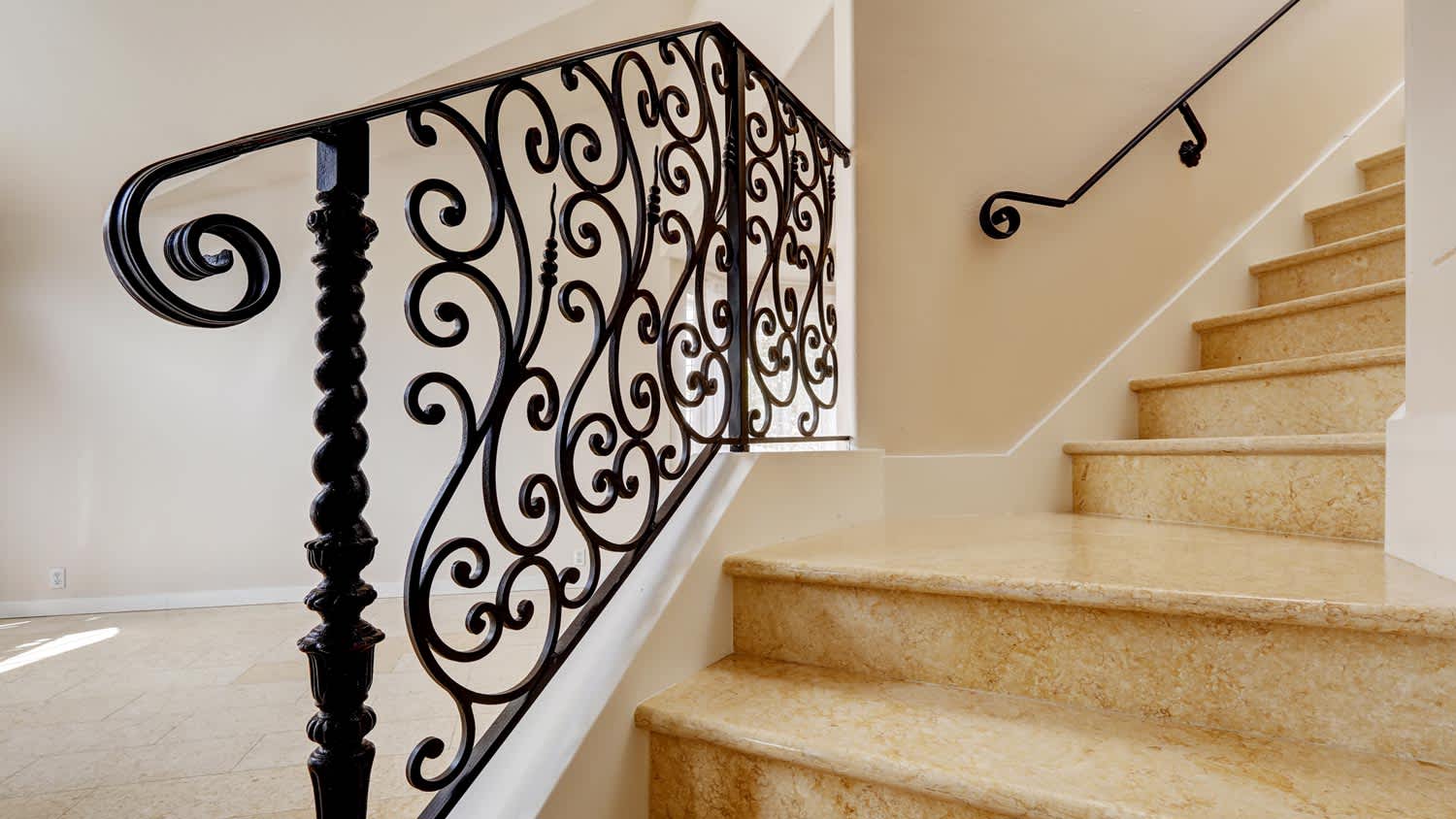
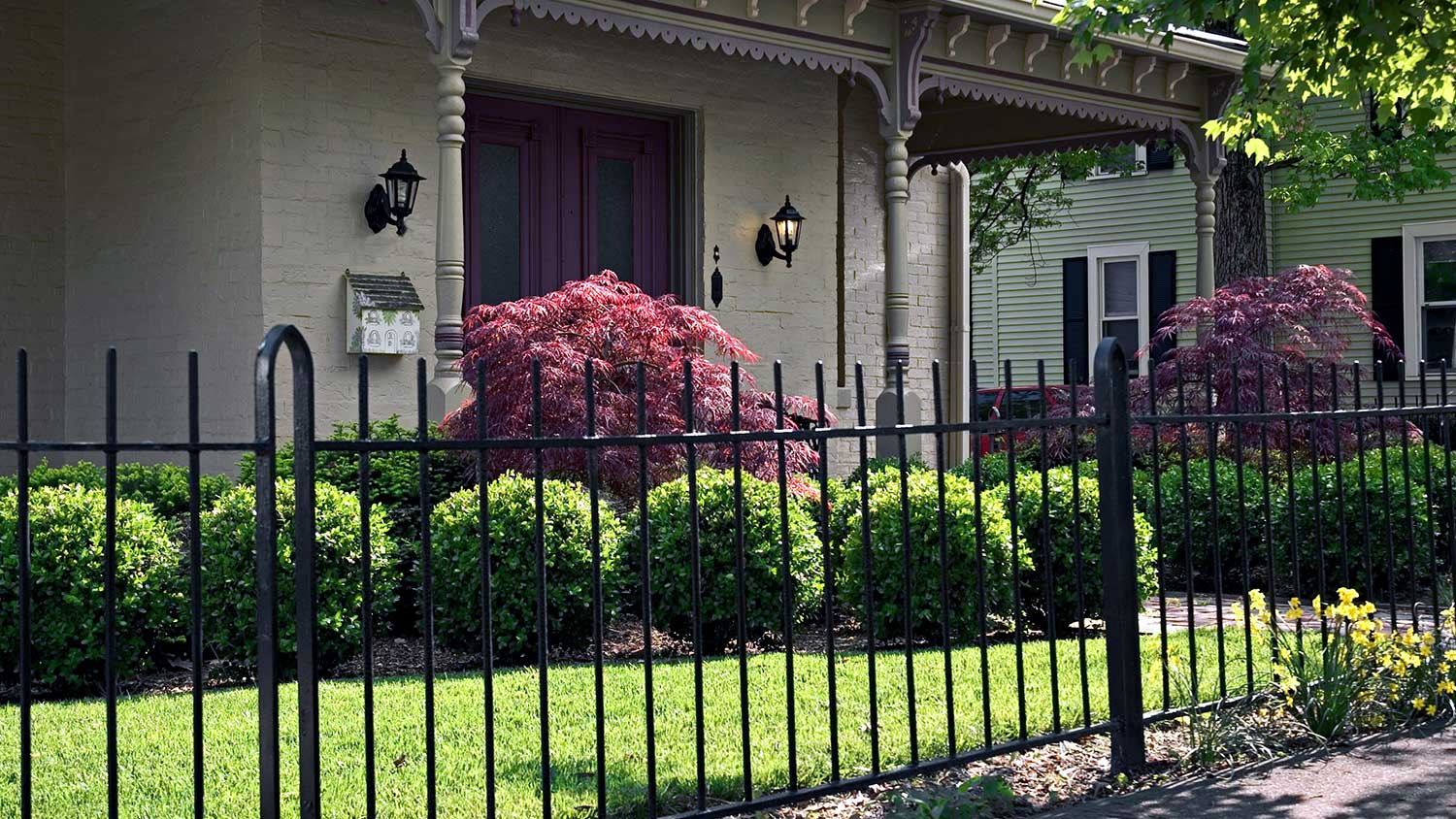
The Oaklevel, VA homeowners’ guide to wrought iron services
From average costs to expert advice, get all the answers you need to get your job done.
Unsure who to hire to install a wrought iron fence? Compare fence contractors and ornamental iron pros, see how installation works, and choose confidently.