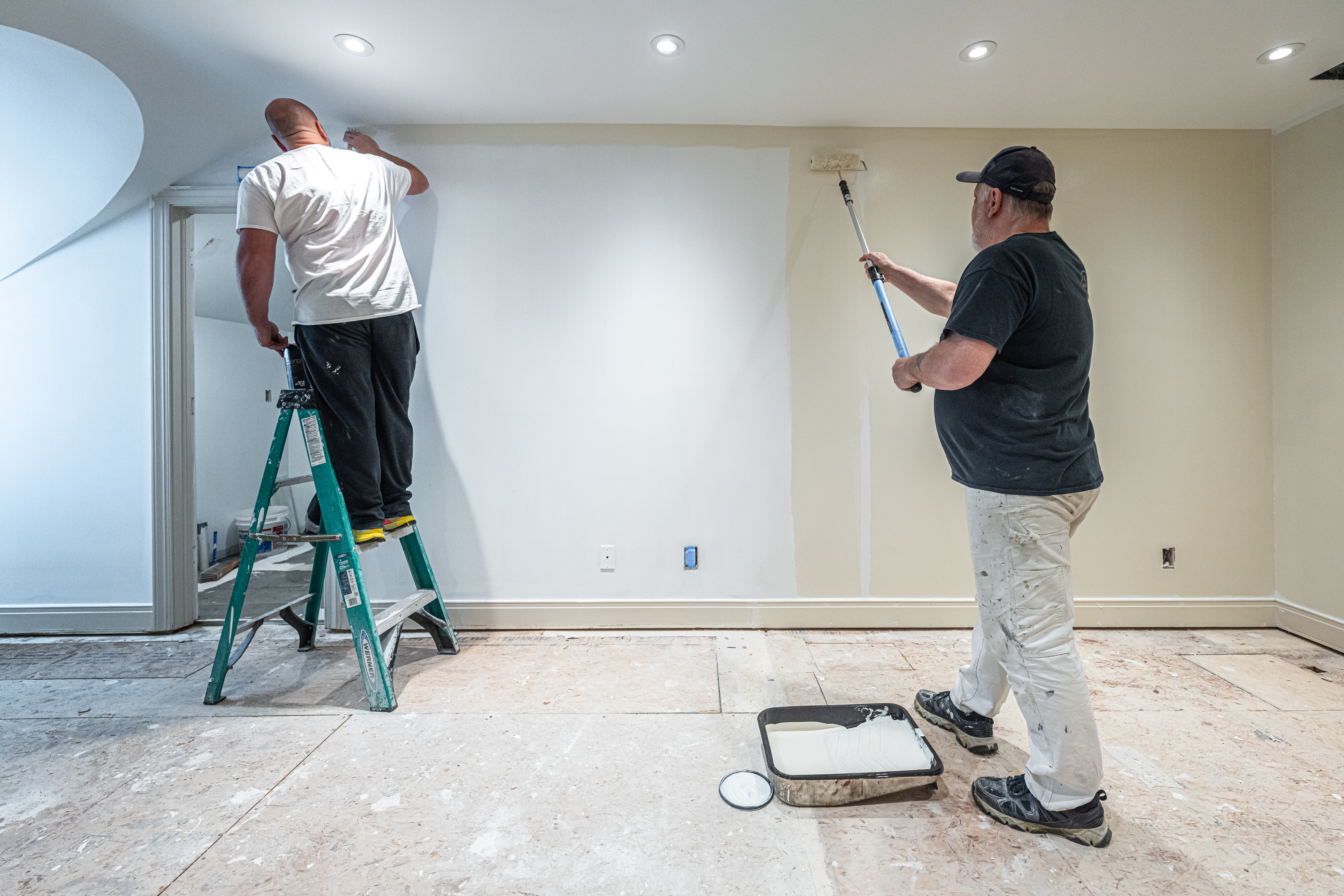



Top-rated painters.

Get matched with top painters in Max Meadows, VA

Enter your zip and get matched with up to 5 pros

Need a pro for your painting project in Max Meadows, VA?

Select your specific project to find the pro for you.

TRUSTED BY MAX MEADOWS, VA HOMEOWNERS

  • Average homeowner rating star icon5
    Average homeowner rating
  • Verified reviews icon11
    Verified painting services reviews

Find Painters in Max Meadows

Avatar for J&V Painting LLC
J&V Painting LLC
5.0(
28
)
Interior Painting or Staining: 1 - 2 RoomsPainting or Staining - Small Projects

Serving Max Meadows, VA and surrounding areas

In business since 2024

Free estimates

Offers commercial services

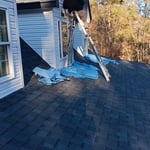
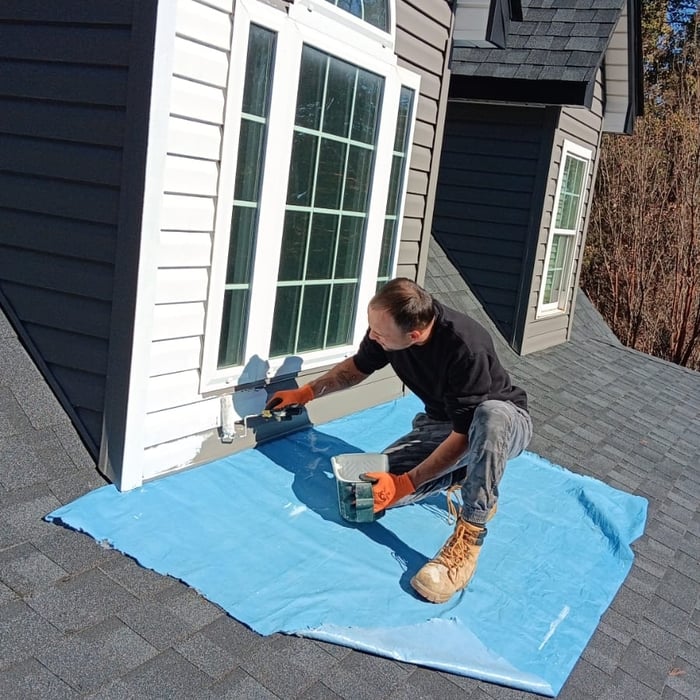
"The pro painted my metal roof and returned to paint a second coat to cover better. Everything looks great, and he did a good job. I'm completely satisfied and would use the pro again in the future."
Kitchen cabinets paint
Interior paint

+9

1 neighbors recently requested a quote
Recommended by38%of homeowners
Avatar for J&V Painting LLC
J&V Painting LLC
5.0(
24
)
Exterior Home or Structure - Paint or StainExterior Home or Structure - Paint or Stain: LargeInterior Home or Surfaces - Paint or Stain+7 more

Serving Max Meadows, VA and surrounding areas

In business since 2024

Emergency services offered

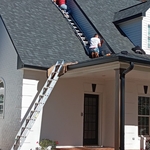
"Jhon and the team were very professional, from setting up the project, to careful completion. Very competitive pricing. This was an exterior porch painting project, with white railings, posts, and skirt lattice, and red flooring and lower trim. They did a very clean painting, with excellent coverage. I would hire again, for either exterior or interior projects."
Exterior Painting Project
Stucco and paint project
Exterior Painting Project

+42

Recommended by43%of homeowners
Matthew McDaniel's Painting
5.0(
4
)
Painting or Staining - Small Projects

Serving Max Meadows, VA and surrounding areas

In business since 2015

Free estimates

Credit card accepted

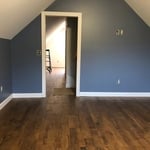
"He completely redid my whole house. He pulled up my carpet, stained my floors, Painted my house from top to bottom and even put down new flirting in my kitchen, bathroom and hallway. He also redid my ceiling fans. It took about 2 weeks and he did such an amazing job I would definitely re hire him for all of my future projects."
Response time2 hrs
Response rate97%
Recommended by100%of homeowners
TnT Painting & More
4.7(
3
)
Interior Painting or Staining: 1 - 2 RoomsPainting or Staining - Small Projects

Serving Max Meadows, VA and surrounding areas

In business since 2019

Free estimates

TnT Painting & More, is committed to excellence in every aspect of our business. We uphold a standard of integrity, bound by fairness, honesty, and personal responsibility. Our distinction is the quality of service we bring to our customers. Accurate knowledge of our trade, combined with ability, is what makes us true professionals. Above all, we are watchful of our customers' interests, and make their concerns the basis of our business.

Response time12 hrs
Response rate92%
Recommended by100%of homeowners
...
Showing 1-10 of 113
Painting questions, answered by experts

Limewash and whitewash are two techniques used to give brick a light, matte finish, but they differ in composition, application, and permanence. The best choice depends on your aesthetic goals and the specific surface.

Composition

  • Limewash: A natural and environmentally friendly option made from limestone, water, and sometimes pigments. It is breathable and soaks into porous surfaces like brick.

  • Whitewash: Traditionally made from lime, water, chalk, and binders, but a similar look can be achieved with watered-down white paint. It is paint-based and sits on top of the surface.

Appearance and Finish

  • Limewash: Provides a natural, textured appearance that allows the brick's character to show through. It offers a more traditional finish.

  • Whitewash: Creates a softer, more opaque finish, often used for a rustic or shabby-chic style.

Application and Permanence

  • Limewash: Is semi-permanent and can be removed, making it a good choice if you might want to change the look in the future. It requires more skill to apply and cannot be used on previously painted brick.

  • Whitewash: Is a more permanent solution. It is more forgiving to apply and can be used on painted brick. However, because it sits on the surface, it can trap moisture.

Ultimately, if you want a breathable, natural, and reversible finish for unpainted brick, limewash is a great option. If you need a more permanent, opaque coating that can be applied over painted surfaces, whitewash is the better choice. Whitewashing may also be more economical, costing approximately $1.40 to $4.20 per square foot.

On most untreated wood fences, there is no need to sand before treating. You typically only need to sand if there’s an old coat of paint or stain on your fence. If you do need to sand off a previous paint or protective coating (like an old stain or sealant), use medium-grit sandpaper.

The best time to stain a fence is when the weather is dry and temperatures are between 50 and 90 degrees Fahrenheit. Late spring, early summer, and fall are typically the best seasons for this project. You should avoid staining during very hot weather, like in the middle of summer, or when it is raining. Heat and moisture can cause the stain to dry unevenly. Likewise, if it's too cold, such as in winter or early spring, the stain may not be able to dry fully. Before you start, check the forecast to ensure there will be no rain and low humidity for at least a few days.

Applying a sealer or topcoat after staining wood is highly recommended, though not always strictly required. A sealer protects the wood from moisture, UV rays, and weather-related issues, which is especially important for outdoor surfaces like decks and fences. It also enhances the stain's durability, prevents fading over time, and gives the wood a cleaner, more professional-looking finish. For some indoor applications, a sealer may not be necessary, depending on the type of stain used and the level of protection needed. It's always best to check the stain manufacturer's recommendations and consider the wood's intended use and exposure when deciding whether to apply a sealer.

Staining pressure-treated wood is a recommended practice. While inherently resilient, it's not impervious to moisture and UV exposure. Staining treated wood is feasible and recommended for enhanced protection and longevity. Applying stain and sealant safeguards against degradation, prolonging its life span. These measures shield the wood from environmental threats while augmenting its aesthetic appeal, ensuring your investment endures the test of time.

The Max Meadows, VA homeowners’ guide to painting services

From average costs to expert advice, get all the answers you need to get your job done.