
"CSI was flexible and was able to schedule a home inspector the day after I got a bid accepted on a house. The inspector, Patrick, showed up on time and the inspection took about 4 hours. Patrick was responsive to any questions I had by email or live during the inspection. My one recommendation is that I requested a pest, mold, radon, and home inspection. It would be a better heads up if they explained that they sometimes outsource the radon inspection depending on availability of radon inspectors. Also, they can explain a bit more for new home buyers what is involved with a mold inspection. Patrick ended up just eyeing whether he spotted any mold. Because he did not see any mold, we did not have to pay extra for mold samples."
Lead Testing and Removal questions, answered by experts
Costs depend on test type, home size, number of testing locations, and whether follow-up testing is required.
You can sell a house with lead paint, but there are several requirements. If you are aware that lead paint exists anywhere in the home, you must disclose that to potential buyers. Required home inspections will often uncover lead paint, especially for older houses where lead paint may still be a problem. If you have taken steps to encapsulate lead, you should provide buyers with full documentation of the project so it won’t cause any problems later on.
No. Standard homeowners insurance does not cover any kind of lead remediation, focusing instead on sudden, unpreventable events like fires and theft. Many insurance companies will specifically exclude lead paint removal, since it tends to be an expensive and unavoidable project. The exception is if the lead surface is damaged during a covered event (like a flood) and homeowners insurance pays its replacement.
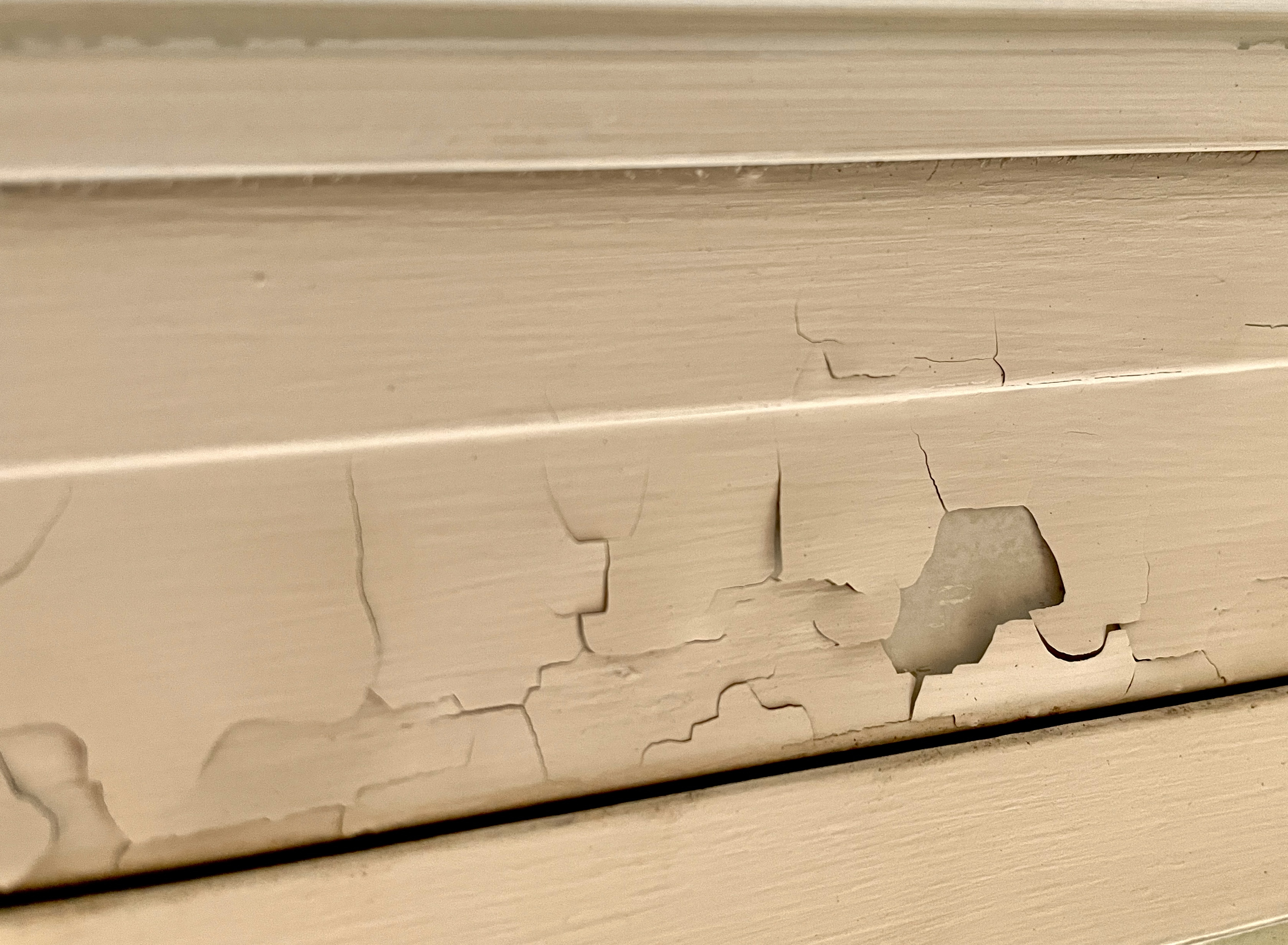
You do not have to remove lead paint if the surface is not chipping or peeling or if there are no pregnant people or children under the age of six who live in or regularly visit your home. Lead paint is a particular risk for young children whose brains and bodies are not fully developed. Experts strongly recommend that you call a pro to remove lead paint if it’s peeling or flaking, no matter who lives in the home. You can experience lead poisoning by breathing in or ingesting just a small amount of it.
Professional testing for lead paint costs about $300, ranging from about $250 to $700, depending on the square footage, accessibility, and location. However, testing for lead paint with a DIY home-testing kit costs about $25, but doesn’t guarantee accurate results. The U.S. Environmental Protection Agency (EPA) recommends using a lead test kit that complies with the Lead Renovation, Repair, and Painting (RRP) Rule, which has strict criteria for ensuring a more accurate reading.
Common home surfaces to test for lead include:
Walls
Windows
Doors
Molding and trim
Railings
The Lebanon, VA homeowners’ guide to lead testing and removal services
From average costs to expert advice, get all the answers you need to get your job done.
Get expert insights on lead paint inspection costs, including key cost factors and ways to save. Learn what affects your estimate and how to budget effectively.
Learn how to hire a qualified lead testing professional for your home. Find certified inspectors, understand costs, and protect your family from lead hazards.