




Top-rated lead testing and removal specialists.

Get matched with top lead testing and removal specialists in Lawrenceville, VA

Enter your zip and get matched with up to 5 pros

Need a pro for your lead testing and removal project in Lawrenceville, VA?

Select your specific project to find the pro for you.

Find Lead testing and removal specialists in Lawrenceville

Avatar for CSI Home and Commercial Services
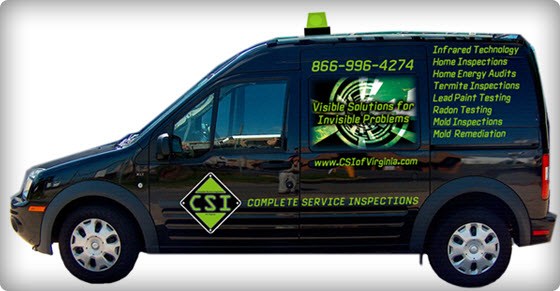
CSI Home and Commercial Services
4.6(
80
)
Toxic Lead - AbatementToxic Lead - Testing

Serving Lawrenceville, VA and surrounding areas

In business since 1995

Free estimates

Credit card accepted

"CSI was flexible and was able to schedule a home inspector the day after I got a bid accepted on a house. The inspector, Patrick, showed up on time and the inspection took about 4 hours. Patrick was responsive to any questions I had by email or live during the inspection. My one recommendation is that I requested a pest, mold, radon, and home inspection. It would be a better heads up if they explained that they sometimes outsource the radon inspection depending on availability of radon inspectors. Also, they can explain a bit more for new home buyers what is involved with a mold inspection. Patrick ended up just eyeing whether he spotted any mold. Because he did not see any mold, we did not have to pay extra for mold samples."
Additional Photos
Additional Photos
Additional Photos
Additional Photos
Additional Photos

+5

Recommended by97%of homeowners

Lead Testing and Removal questions, answered by experts

The average cost of a lead paint inspection is about $600, but it can cost as low as $150 or as much as $800, depending on the size of the area, geographic location, and the inspection methods. Some of the most common lead paint inspection methods include:

  • Visual inspection: $150–$400

  • Paint sampling: $200–$600

  • X-ray fluorescence (XRF): $250–$700

  • Risk assessment: $300–$800

You should ask a few questions to ensure that your potential lead removal professional is experienced and qualified to handle lead-paint abatement safely, legally, and properly.

  • What are your qualifications and experience removing lead-based paint?

  • Are you licensed and certified to remove lead-based paint?

  • How do you test for lead paint?

  • What methods do you use for lead-based paint abatement?

  • What do you plan to do with the hazardous material when you remove it from the home?

  • Do you do replacement and painting work or removal only?

With regular testing, treatment, and maintenance, water from a community well should be safe to drink. Unfortunately, the EPA does not regulate private wells, and contamination can happen. 

If you have doubts about the quality and safety of your drinking water, you have options for testing. You can pick up kits from your local home supply store or harvest samples and send them to a local testing facility. To get the most complete water quality testing and system diagnosis, seek a local well professional. They know what to test for and can recommend and implement a longer-lasting solution.

DIY lead testing kits are available, but they often lack the accuracy and reliability of professional services. Professional testing is recommended for more accurate results, as properly certified testers can provide a thorough analysis, clear recommendations, and the necessary legal documentation if remediation is required.

While not all homes built before 1978 contain lead paint, enough do, so you’ll still want to test to be on the safe side. The federal government banned lead-based paint for homes in 1978, but your state may have banned lead before that time. Around 24% of homes built between 1960 and 1977 contained lead-based paint, while 87% of homes built before 1940 contained lead-based paint.

The Lawrenceville, VA homeowners’ guide to lead testing and removal services

From average costs to expert advice, get all the answers you need to get your job done.