






Top-rated energy efficiency auditors.

Best energy efficiency auditors near Fairfield, VA

Enter your zip and get matched with up to 5 pros

Need a pro for your energy efficiency auditing project in Fairfield, VA?

Select your specific project to find the pro for you.

Top-Rated Energy efficiency auditors in Fairfield - Updated Nov 2026

Avatar for Earth Right Mid-Atlantic
Earth Right Mid-Atlantic
3.8(
19
)
Home Energy Audit

Serving Fairfield, VA and surrounding areas

Approved

In business since 2012

Free estimates

Credit card accepted

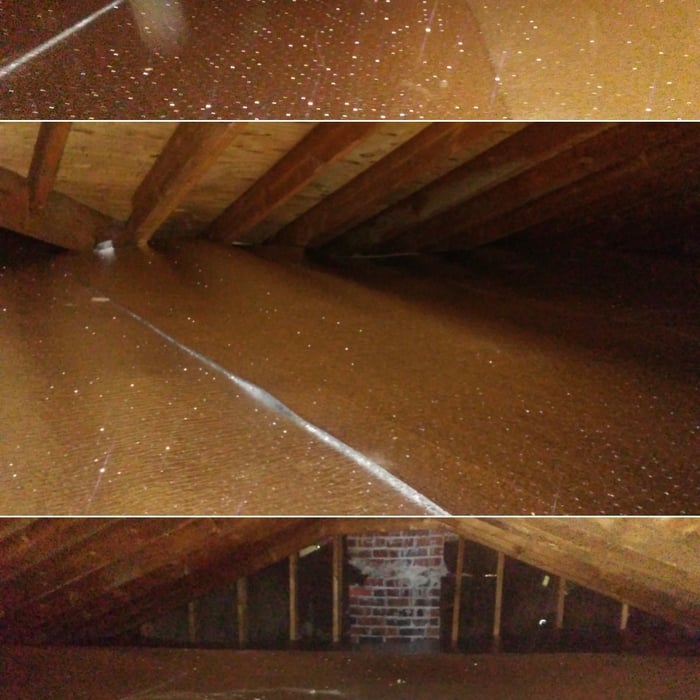
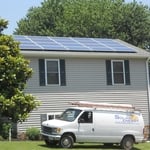
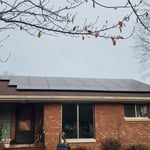
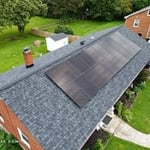
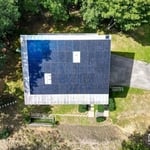
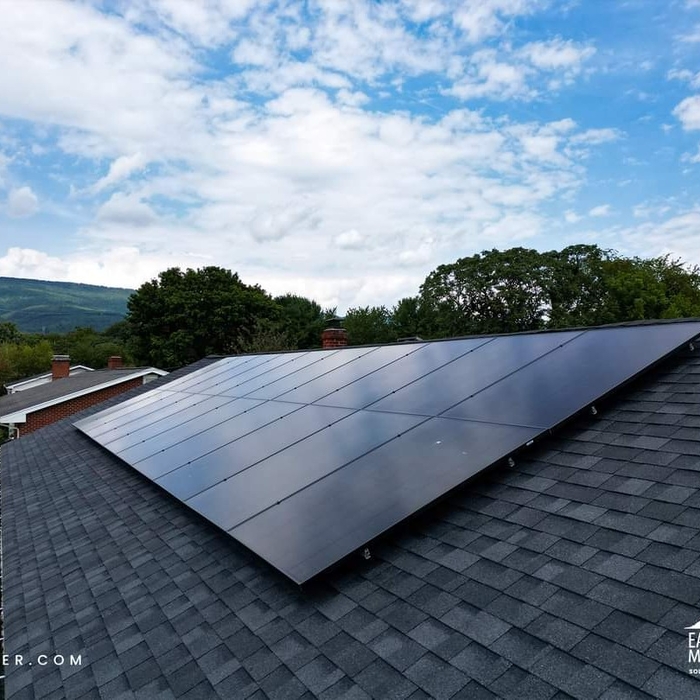
"Our experience with Earth Right has been impressive from the start. Joe came to our home twice to examine the feasibility of going solar, since we live in a wooded area. The creative approach of combining our garage and house rooves in order to have enough space for the panels was far and above the other companies saying YES or NO from the satellite photos alone. Today Jeremy and Jonathan installed the foil and fan in our attic. They could not have been more professional or considerate in their approach. Installation scheduled for fall. We are sure we chose the right company... Earth-Right!"
Energy Efficiency Completed Projects

+35

Response time1 day
Response rate85%
83 neighbors recently requested a quote

Energy Efficiency Auditing FAQs, answered by experts

It’s not recommended to turn off your breaker box in hopes of saving electricity. Breaker boxes were not designed to constantly be switched on and off. Therefore, turning off breakers unnecessarily can cause costly damage that outnumbers any energy savings. Only flip your breakers if absolutely necessary when troubleshooting an electrical issue.

When installing a new furnace, it's a good time to consider other projects that can enhance your home's energy efficiency. A great first step is to get a home energy audit, which will identify areas for improvement. Common recommendations include sealing or replacing windows and adding insulation to the attic. These upgrades can help you save money on monthly utility costs. You might also consider installing a smart thermostat to make heating your home more convenient and efficient.

To determine the right size generator for your house, you should calculate the total wattage of the appliances and devices you want to power during an outage. List all essential items, note their start-up wattages, and add them together.

Here are some typical wattage requirements for common appliances:

  • Refrigerator: 600 watts

  • Large dehumidifier: 700 watts

  • Large window air conditioner: 1,400 watts

  • Water heater: 3,000 to 4,500 watts

  • Electric furnace: 5,000 to 25,000 watts

A 7,500-watt generator might be sufficient for essentials like a refrigerator, freezer, well pump, and lighting circuits. However, for high-demand items like a water heater or furnace, a whole-home generator is a better choice. A portable generator may be enough if you only need to power a few critical items.

While home square footage can offer a rough estimate, it is not always a reliable indicator. For reference, here are some typical generator sizes based on square footage:

  • 1,000 sq ft: 6–9 kW

  • 1,500 sq ft: 7–10 kW

  • 2,000 sq ft: 10–14 kW

  • 2,500 sq ft: 12–16 kW

  • 3,000 sq ft: 16–20 kW+

For the most accurate sizing, consult a professional who can calculate your home's peak and average power consumption and recommend the optimal generator.

Yes, installing an attic fan can help lower your electric bill—particularly if you live in a hot and humid region. By replacing hot and stuffy air with cooler air, these fans help regulate the temperature in your attic and the rest of your home, taking some of the pressure off of your air conditioner.

When combined with a substantial solar system, if you have enough Powerwalls, you could go off-grid and be energy independent. But remember, you'd need enough Powerwalls to power your whole home continuously because a single Powerwall can’t power large appliances for extended periods. One Powerwall is able to power an average-sized home's emergency circuits, lights, and outlets. To power large appliances, you likely need two or three Powerwalls.

The Fairfield, VA homeowners’ guide to energy efficiency auditing services

From average costs to expert advice, get all the answers you need to get your job done.