

Top-rated arborists.

Get matched with top arborists in Collinsville, VA

Enter your zip and get matched with up to 5 pros

Need a pro for your arboricultural service project in Collinsville, VA?

Select your specific project to find the pro for you.

TRUSTED BY COLLINSVILLE, VA HOMEOWNERS

  • Average homeowner rating star icon4.3
    Average homeowner rating
  • Verified reviews icon99
    Verified arboricultural services reviews

Find Arborists in Collinsville

Avatar for Randolph's Landscaping
Randolph's Landscaping
4.2(
22
)
Tree Stump - RemoveTree Stump - Remove - For Business

Serving Collinsville, VA and surrounding areas

Approved

In business since 2023

Free estimates

Small jobs welcome

"Each project, I asked Sean if they could do, itâ s was always not a problem. I would recommend this company to anyone that needs Randolphâ s landscaping, hard-working and diligent and his team could not be any nicer and responsive. Thumbs up to Randolph landscaping!!"
Response time6 hrs
Response rate87%
Recommended by78%of homeowners
Avatar for Alvarez Landscape
Alvarez Landscape
4.6(
9
)
Tree RemovalTree TrimmingTree Removal - For Business+1 more

Serving Collinsville, VA and surrounding areas

Approved

In business since 2021

Free estimates

Credit card accepted

"Was a very good Tree Trimmimg company to use. He was Courteous and did what I wanted for a Great Price! After doing my Job he got another from my Neighbor the same day. Now 2 Friends of mine will use them also. Highly recommend them!"
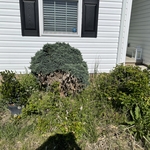
Front view
front view
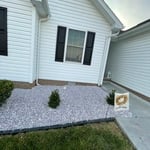
Front corner
front corner
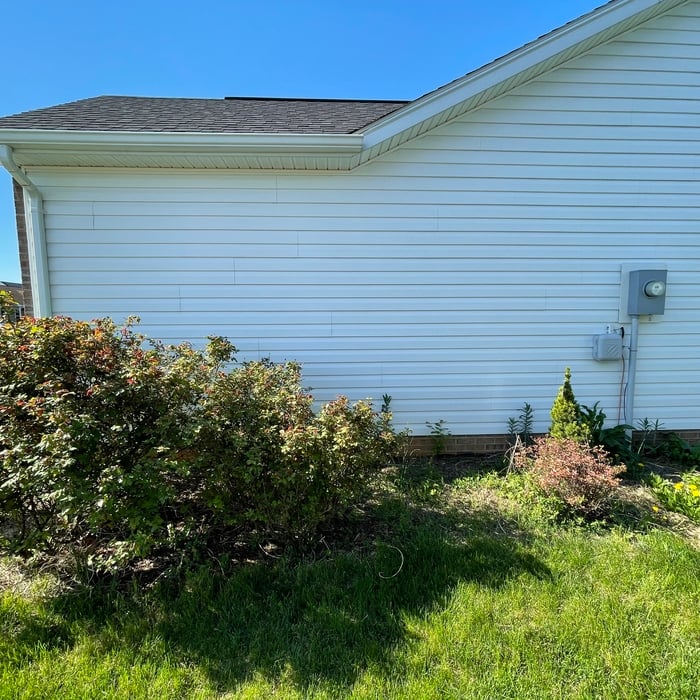
R corner view

+22

Response time1 day
Response rate94%
14 neighbors recently requested a quote
SydNature Services LLC
New to Angi
Tree Trimming

Serving Collinsville, VA and surrounding areas

Approved

Hi, I’m Gerald, a dependable and hardworking professional who takes pride in providing quality service and treating every customer’s home with care and respect. I have hands-on experience with moving, furniture handling, plumbing assistance, maintenance, material handling, and other residential and commercial work.\n\nWhen you hire me, you can expect professionalism, attention to detail, safe work practices, and a commitment to getting the job done right. I understand that inviting someone into your home requires trust, and I work hard to earn that trust on every job.\n\nMy goal is simple: provide dependable service, take care of your property, and leave every customer satisfied with the work.

...
Showing 1-10 of 100
Arborists questions, answered by experts

Talking with a septic pro before planting trees near your tank is best to ensure the roots won’t interfere with your septic system. However, there is an easy way to figure out where to plant a tree—but you’ll need to know how tall it can get when it’s fully grown. For instance, if the tree can reach 50 feet, plant it at least 50 feet from your septic system.

Tree roots can take weeks to years to die, depending on the method you use. Chemical herbicides take the least amount of time—typically between three and four weeks—while homemade methods, like covering an old stump with leaves, could take between seven and eight years. If you’re unsure which method to use or how quickly you need to act, consulting with a pro is always a good idea.

If you don’t cut down a dead, dying, or diseased tree, it can become a nesting place for pests like mosquitos, bees, beetles, wasps, fly larvae, and more. Some pests will live in the tree, while others will feed off the decaying wood. Unhealthy trees are also more likely to fall over, potentially injuring people and causing damage to your property.

Generally, you’ll want to prune back the trunk by 1 to 2 feet each year to promote bushy growth. Doing so concentrates vegetative buds closer to the bottom of the tree, where you can easily harvest fruit. For side shoots that are a year old, leave at least six leaves. 

Never remove more than 30% of a tree’s foliage during pruning—even if your tree is really overgrown. Removing this much foliage at a time could kill your tree.

Palm trees are unique in that their roots don't grow straight down; they grow horizontally. Typically, palm tree roots go down between 12 and 36 inches deep. The roots grow far and wide from the base of the palm tree to absorb as much water and soil nutrients as possible. In addition, the horizontal roots are also very strong—keeping palm trees stable and helping them sway during storms.

The Collinsville, VA homeowners’ guide to arboricultural services

From average costs to expert advice, get all the answers you need to get your job done.