





Top-rated lead testing and removal specialists.

Get matched with top lead testing and removal specialists in Clintwood, VA

Enter your zip and get matched with up to 5 pros

Need a pro for your lead testing and removal project in Clintwood, VA?

Select your specific project to find the pro for you.

Find Lead testing and removal specialists in Clintwood

Avatar for CSI Home and Commercial Services
CSI Home and Commercial Services
4.6(
80
)
Toxic Lead - AbatementToxic Lead - Testing

Serving Clintwood, VA and surrounding areas

In business since 1995

Free estimates

Credit card accepted

"CSI was flexible and was able to schedule a home inspector the day after I got a bid accepted on a house. The inspector, Patrick, showed up on time and the inspection took about 4 hours. Patrick was responsive to any questions I had by email or live during the inspection. My one recommendation is that I requested a pest, mold, radon, and home inspection. It would be a better heads up if they explained that they sometimes outsource the radon inspection depending on availability of radon inspectors. Also, they can explain a bit more for new home buyers what is involved with a mold inspection. Patrick ended up just eyeing whether he spotted any mold. Because he did not see any mold, we did not have to pay extra for mold samples."
Additional Photos
Additional Photos
Additional Photos
Additional Photos
Additional Photos

+5

Recommended by97%of homeowners

Lead Testing and Removal questions, answered by experts

If your home was built before 1978, there’s a chance that any paint on your hardwood floors could be lead paint—especially if it was already there when you moved in. Because lead is toxic, hiring a licensed pro to remove it is mandatory. The average price for professional lead paint removal ranges from $1,500 to $5,300 and depends on the scope of the project.

Lead removal is crucial in older homes to eliminate risks of lead poisoning, which can severely affect health, particularly in children, by impacting development and cognitive functions.

Several different measurements may be used to determine the amount of lead in water. The most common unit of measurement is micrograms per liter (µg/L), which is the same as parts per billion. Another measurement is milligrams per liter (mg/L), which is the same as parts per million.

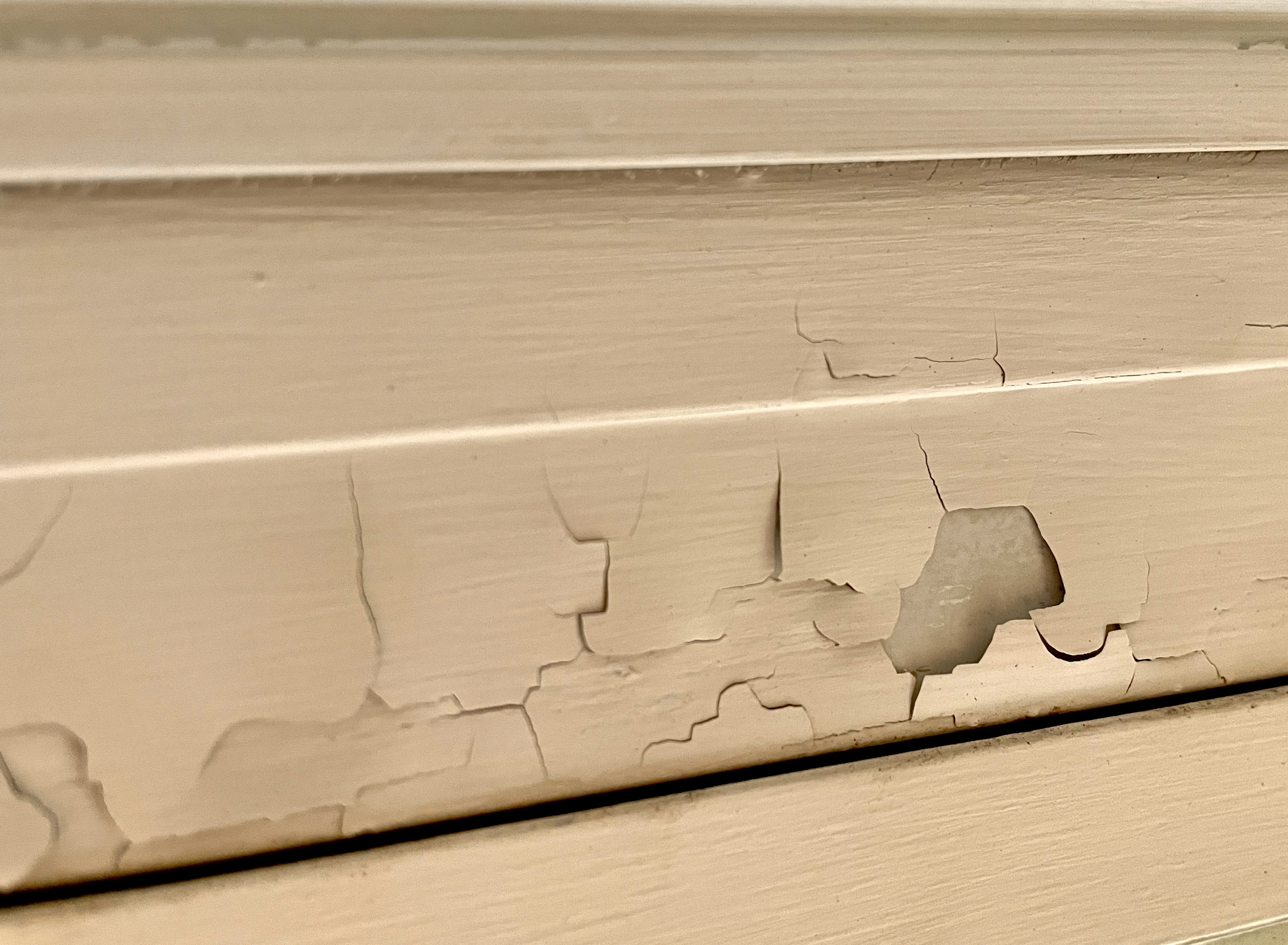
Lead toxicity comes from inhaling lead or consuming it. Before the 1980s, when the government banned lead from consumer use, it could be found in paint, plumbing, pipes, ceramics, and even gasoline. Lead paint is toxic for the same reason lead itself is toxic, which is why lead poisoning from paint presents the same as lead poisoning from water or food sources, with a slight increase in respiratory symptoms vs. digestive symptoms. Lead paint is most dangerous when it’s old and peeling, cracking, or otherwise disturbed. This increases the concentration in the air and, therefore, in breathable air. 

“Testing” can start with your senses: Assessing your water’s appearance, taste, and smell can all be good first steps. The best way to know for sure what’s going on with your water is to use a well water testing kit, which can tell you about the specific levels of bacteria, dissolved solids, and hardness of your water with precision. Have a pro test your well water at least once per year.

The Clintwood, VA homeowners’ guide to lead testing and removal services

From average costs to expert advice, get all the answers you need to get your job done.