


Top-rated generator install pros.

Get matched with top generator install pros in Big Stone Gap, VA

Enter your zip and get matched with up to 5 pros

Need a pro for your generator install project in Big Stone Gap, VA?

Select your specific project to find the pro for you.

Find Generator install pros in Big Stone Gap

Avatar for Frank Blankenship Properties & Electrical
Frank Blankenship Properties & Electrical
4.5(
28
)

Serving Big Stone Gap, VA and surrounding areas

Approved

In business since 2016

Credit card accepted

Offers commercial services

"Quick to answer the phone unlike many electricians out there. When he says he will be there on certain date and time his crew will be there. His crew work hard. Affordable electrician."
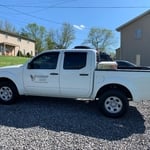
some on my company vehicl
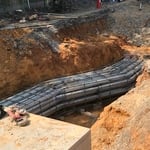
U/G College
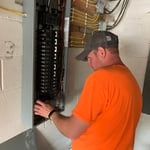
Breaker panel
vehicle
Response time6 hrs
Response rate95%
13 neighbors recently requested a quote
Frank Blankenship Properties & Electrical, LLC
4.5(
27
)

Serving Big Stone Gap, VA and surrounding areas

Approved

In business since 2016

Credit card accepted

Offers commercial services

Frank Blankenship Properties & Electrical is just what you needed to light up you life, or main focus is Electrical Switches, Outlets & Fixtures, Electrical Wiring or Panel Upgrade, So don't sreach in the dark for a good electrican when you are ready to hire call us.\n

10 neighbors recently requested a quote
Recommended by84%of homeowners
Avatar for The Home Depot - Generators
The Home Depot - Generators
2.5(
1
)

Serving Big Stone Gap, VA and surrounding areas

In business since 2003

Free estimates

Small jobs welcome

Today, we're proud to be the world's largest home improvement retailer. In 2,300 stores across North America, we aspire to excel in service – to our customers, associates, communities and shareholders. That's what leadership means to us. That's The Home Depot difference.

Generators
Generators
Generators
Generator
Generators

+5

Generator Install questions, answered by experts

If you have a transfer switch properly installed, the generator and main electrical power cannot feed the system at the same time. However, you should still shut off the power at your main circuit breaker panel before activating the generator. If you do that, you’ll simply need to shut off the generator and reset your circuit breaker once the local power comes back on.

Homeowners can often access federal tax credits, such as the Investment Tax Credit (ITC), which covers a percentage of installation costs. Many states and utilities offer additional rebates, grants, or performance-based incentives. These programs can significantly lower your upfront investment. Check the Database of State Incentives for Renewables and Efficiency (DSIRE) or contact your local energy office for current offers.

With proper maintenance, a whole-house generator can last between 20 and 40 years. The specific lifespan depends on how often and for how long the generator is used, and some models may have their life expectancy rated in hours of operation. To maximize its lifespan, expect to spend around $150 to $300 per year for annual maintenance checks from a qualified technician. During these checks, a technician will inspect the engine filter, starting mechanism, fuel, lubrication, and coolant levels. Consulting your installer and choosing a low-impact fuel like natural gas or diesel can also help ensure your generator lasts as long as possible.

To determine the right size generator for your house, you should calculate the total wattage of the appliances and devices you want to power during an outage. List all essential items, note their start-up wattages, and add them together.

Here are some typical wattage requirements for common appliances:

  • Refrigerator: 600 watts

  • Large dehumidifier: 700 watts

  • Large window air conditioner: 1,400 watts

  • Water heater: 3,000 to 4,500 watts

  • Electric furnace: 5,000 to 25,000 watts

A 7,500-watt generator might be sufficient for essentials like a refrigerator, freezer, well pump, and lighting circuits. However, for high-demand items like a water heater or furnace, a whole-home generator is a better choice. A portable generator may be enough if you only need to power a few critical items.

While home square footage can offer a rough estimate, it is not always a reliable indicator. For reference, here are some typical generator sizes based on square footage:

  • 1,000 sq ft: 6–9 kW

  • 1,500 sq ft: 7–10 kW

  • 2,000 sq ft: 10–14 kW

  • 2,500 sq ft: 12–16 kW

  • 3,000 sq ft: 16–20 kW+

For the most accurate sizing, consult a professional who can calculate your home's peak and average power consumption and recommend the optimal generator.

You can expect a diesel generator to last for up to 30,000 hours of use, which works out to 20 to 25 years with the proper maintenance, of course. That depends on how much you use it, so a diesel generator used for emergencies a couple of times a year will last a lot longer than a generator that takes over for a faulty electrical grid every month for a day or two. 

The Big Stone Gap, VA homeowners’ guide to generator installs

From average costs to expert advice, get all the answers you need to get your job done.