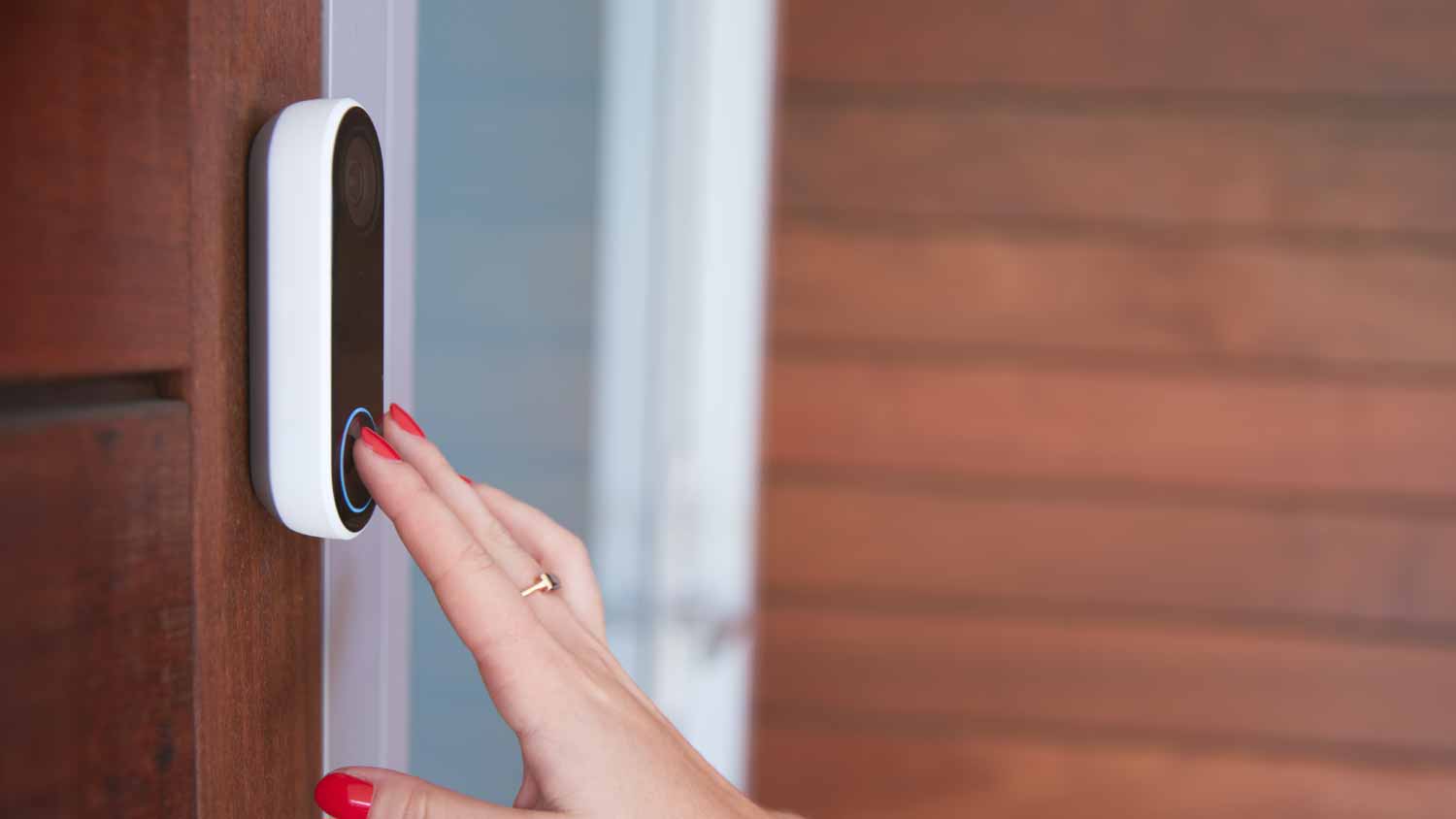







Top-rated doorbell installation pros.

Get matched with top doorbell installation pros in Bent Mountain, VA

Enter your zip and get matched with up to 5 pros

Need a pro for your doorbell installation project in Bent Mountain, VA?

Select your specific project to find the pro for you.

TRUSTED BY BENT MOUNTAIN, VA HOMEOWNERS

  • Average homeowner rating star icon4.4
    Average homeowner rating
  • Verified reviews icon853
    Verified doorbell installation services reviews

Find Doorbell installation pros in Bent Mountain

No results for Doorbell installation pro in

Try adjusting your search criteria.
Doorbell Installation questions, answered by experts

On average, insulating an attic costs about $2,500, with a typical range of $1,500 to $3,500. The final price often depends on the attic's size, with costs generally falling between $1 to $3 per square foot. For example, insulating a 1,800-square-foot attic would likely cost between $1,800 and $5,400.

If the project involves removing old insulation, this can add an average of $900 to the total cost, bringing a full removal and reinsulation project to around $3,000.

Several factors influence the overall cost:

  • Insulation Type: Prices per square foot vary significantly by material.

  • Reflective: $0.50–$1.50

  • Blown-in: $1–$4

  • Batt: $2–$4

  • Loose-fill: $2–$5

  • Spray foam: $2–$5

  • Structural insulated panels (SIPs): $4–$7

  • Project Complexity: Factors like sealing air leaks, poor attic accessibility, and required inspections can add to the cost.

  • Removal Issues: The discovery of mold, asbestos, or pests during the removal of old insulation can substantially increase the price.

The most affordable way to insulate behind unfinished walls is to install fiberglass batts or rolls. These total around $0.75 per linear foot, with the width matching the gaps between standard studs perfectly. However, it’s important to consider the R-value of your insulation and the climate in your area, as fiberglass insulation isn’t the best in terms of preventing heat transfer. Plus, the most affordable option may cost more on electricity bills over time. The most affordable way to insulate behind finished walls is to leave them up and use blown-in insulation to avoid drywall replacement.

Structural insulated panels and rigid foam boards have the highest R-value of any insulation that contractors commonly use, with R-values reaching up to around 8.0. These types of insulation are best in extremely cold climates, but they’re generally preferred for new construction, as they can be challenging to retrofit. Blown-in and loose fill insulation provide the next best insulative value, provided the installation is done properly. It’s important to choose an insulation type that meets your needs based on climate, as maximizing R-value may not always be financially worthwhile if you live in a moderate climate.

A moisture or vapor barrier helps separate the warm air inside your home from the cold air outside of it. Without it, your walls could collect condensation, mold, or other damage. Check your local building codes to see if including an interior vapor barrier is necessary for your building project or renovation, especially for rooms that are likely to be humid, like bathrooms.

Installing sheets of plywood over attic insulation is a popular choice, especially in storage spaces. That said, insulation works by trapping hot air—so it needs extra space to expand and be effective, or you might reduce the energy efficiency of your home. 

It’s important that you never compress the insulation by installing flooring directly on top of it. In many houses, you’ll need to install a subfloor before putting plywood over insulation in your attic.

The Bent Mountain, VA homeowners’ guide to doorbell installation services

From average costs to expert advice, get all the answers you need to get your job done.