








Groundworks
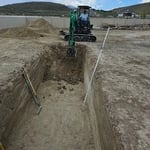
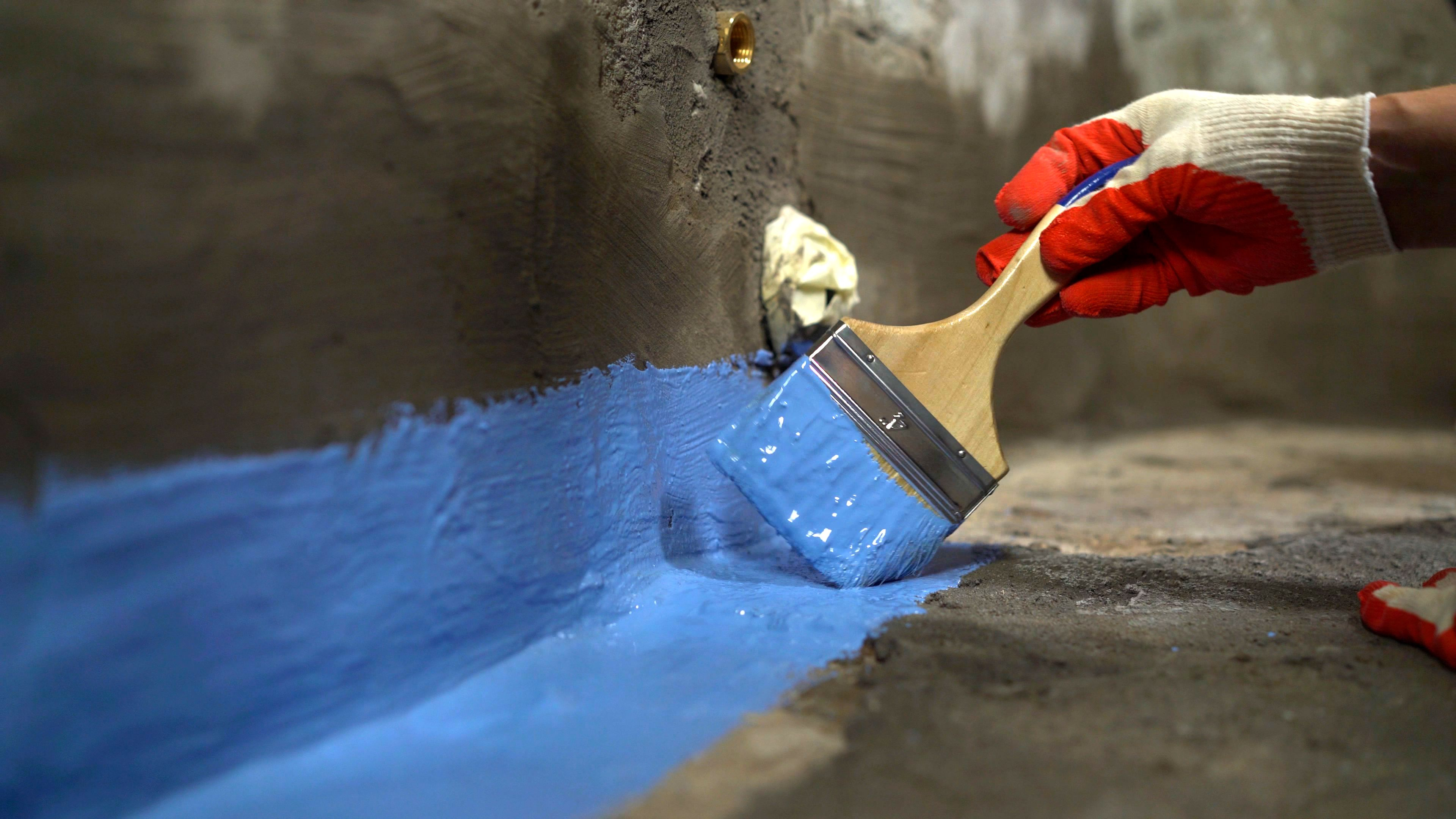
Foundation, Basement or Crawlspace - Waterproofing / EncapsulationBasement Drainage Channels - InstallBasement Drainage Channels - Repair
Serving Santaquin, UT and surrounding areas
Approved (Corporate)
Super Service Award Winner
In business since 2025
Free estimates
Warranties offered
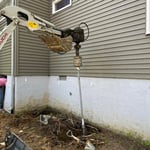
"Both Hunter and Carter were very professional, courteous and above all friendly. They arrived on time and began to evaluate the situation of lifting the badly sunken areas of our back patio which in certain areas was at 6? to 7? along the foundation. Hunter then proceeded to explain the whole operation involving the drilling, application of the polyurethane foam and sealing process. He did address a few areas of concern which involved the cracks where half of the concrete panel had lifted 3? to 4? higher than it?s original surface, and that it may not drop back down. After observing the beginning of the operation for a short time it was clearly evident that Hunter and Carter were true professionals and were intent on performing great quality and workmanship, which in the end will always provide and produce a great product. What they were able to do and accomplish of lifting our back patio was truly remarkable, and I cannot commend them enough for their hard work and due diligence."


+15
97 neighbors recently requested a quote
Recommended by11%of homeowners