




Top-rated deck repair pros.

Get matched with top deck repair pros in Price, UT

Enter your zip and get matched with up to 5 pros

Need a pro for your deck repair project in Price, UT?

Select your specific project to find the pro for you.

Find Deck repair pros in Price

Avatar for Mach 2 Construction, LLC
Mach 2 Construction, LLC
New to Angi
Deck or Porch - Repair

Serving Price, UT and surrounding areas

In business since 2013

Free estimates

Mach 2 Construction, LLC is ready to work for you. There isn't a job too big or small for our highly qualified staff. We take care of all our customers the right way. Give us a call today for your free estimate.

Finished Countertops, Cupboards, Appliances
Corner Cabinets, Stove
Custom TV Cabinet, Custom Logwork
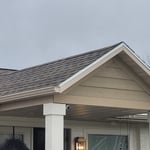
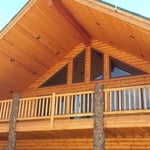
Siding, Soffit, Handrail
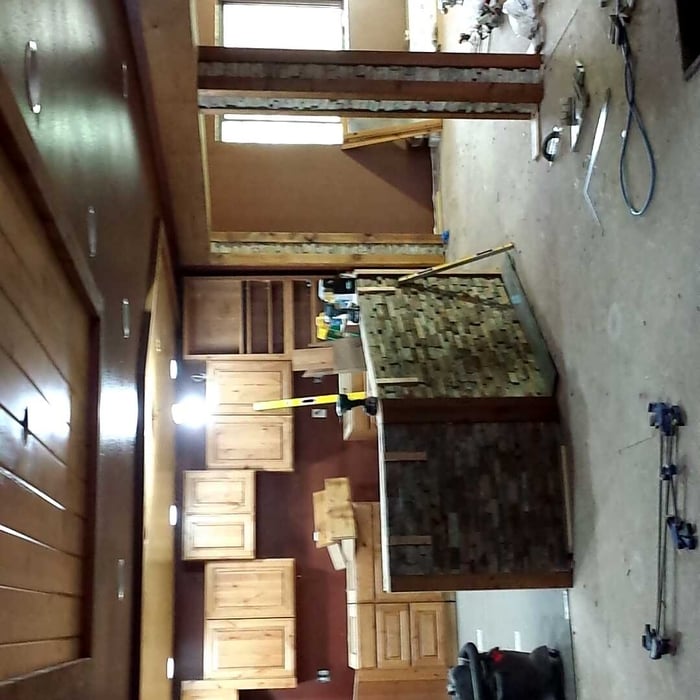
Kitchen Work in Progress

+5

Response time12 hrs
Deck Repair questions, answered by experts

Most building codes list a minimum width of 36 inches and a maximum height of 7¾ inches. However, for the most comfort and spaciousness, you’ll want to aim for a width of at least 48 inches and a height of 7 inches. Again, it’s always a good idea to base your numbers off steps that you already use comfortably.

There are approximately 5.33 board feet in a 2x4. You can use the board foot calculator in this article to easily find the answer. A 2x4 is 2 inches of thickness by 4 inches of width, so you need to find the length, with 8 feet being the most common. You’d use the calculator here to multiply 2 times 4 times 8, and then divide by 12, arriving at a total of 5.33 board feet. 

It is definitely worth sanding a deck to ensure the wood absorbs new stain. Sanding a deck removes the outer layers of aging wood, allowing the stain to penetrate. It also gives a fresh look to the entire surface as part of the deck refinishing process. Without sanding, your stain or sealant is less likely to absorb into the wood. While sanding a deck is a time-intensive project, the rewards are noticeable and long-lasting.

In most cases, your deck will need some form of deck footing to hold it in place, preventing moisture from rotting your wood and decreasing your deck’s lifespan. Concrete deck blocks are the most common type of footing for floating decks. Some homeowners use ground-level deck footings. For added security, consider digging and laying your ground-level footings below ground.

Materials for a second-story deck must be weather- and rot-resistant, though the specific choices will largely be determined by your budget and style preference. Pressure-treated wood is on the lower end of the price scale, but it can be customized and stained the way you like it. Composite, on the other hand, is pricier for installation and has fewer options for customization, but you’ll save money and time in the long run because it requires little maintenance.

The Price, UT homeowners’ guide to deck repair services

From average costs to expert advice, get all the answers you need to get your job done.