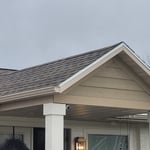
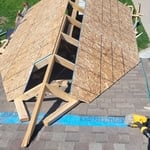
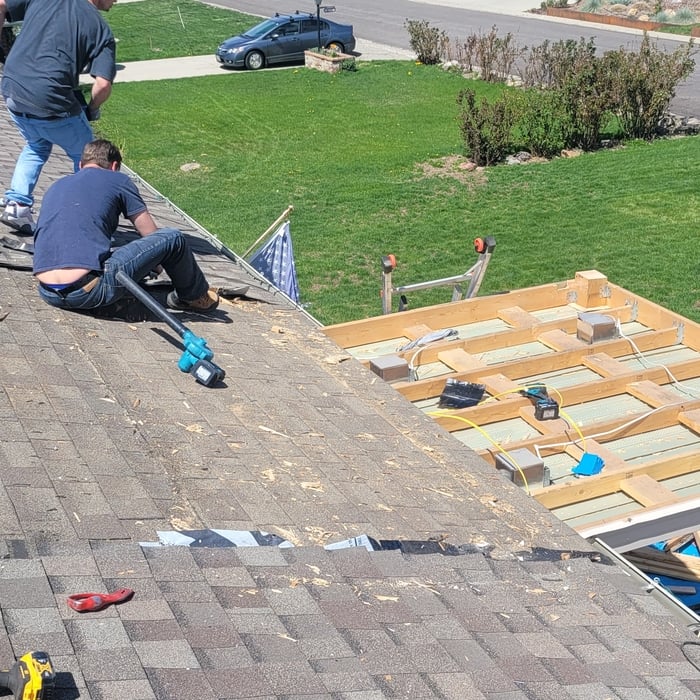
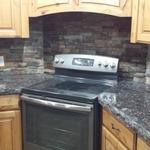
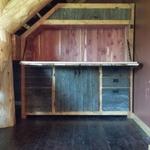
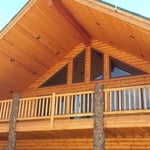
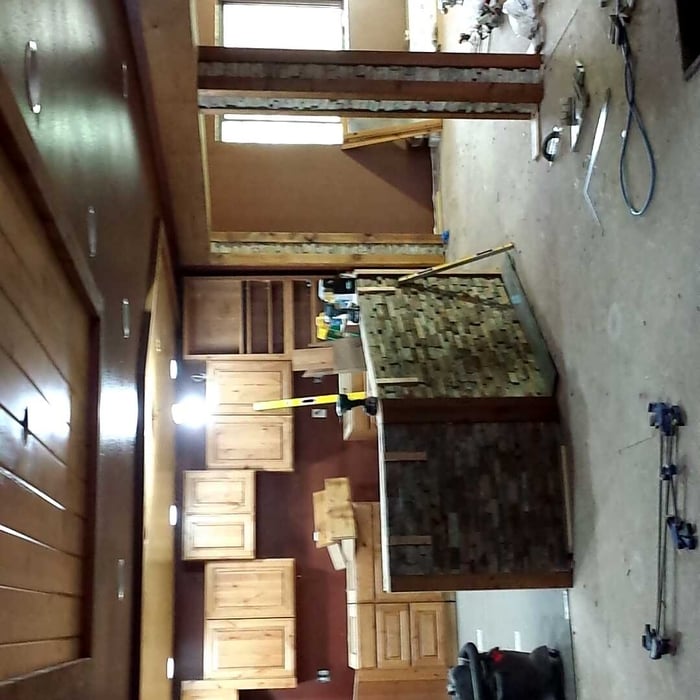
"Re-Roofing /gutter project.
Efficient, clean and safe jobsite.
Excellent craftsmanship and knowledge. Would hire again when I need siding for my home.
Thanks Tony"
"Great to work with. Was able to start right away. Good clean equipment. Great operator. Already have miller tree and excavation going to do another project ."
King Stud Handyman and Remodling is committed to excellence in every aspect of our business. We uphold a standard of integrity bound by fairness, honesty and personal responsibility. Our distinction is the quality of service we bring to our customers. Accurate knowledge of our trade combined with ability is what makes us true professionals. Above all, we are watchful of our customers interests and make their concerns the basis of our business.
Mach 2 Construction, LLC is ready to work for you. There isn't a job too big or small for our highly qualified staff. We take care of all our customers the right way. Give us a call today for your free estimate.
Yes, you can build a deck around a fire pit, as long as it is safely enclosed, meets code requirements, and is at least 15 feet away from your home. You’ll want to ensure you have a heat-resistant barrier between the fire pit and your deck to prevent any structural damage and fires. A galvanized ring surrounded by pavers, brick, or stone makes for a beautiful, safe, and sturdy design.
No, termites do not eat Trex or any other composite decking brand. Termites eat cellulose, of which composite decking like Trex contains very little compared to natural wood. This feature can help justify the higher Trex decking costs if you live in an area with abundant termites.
Whether to paint or stain a deck depends on your personal preference for appearance and budget. Stain provides a natural look with a range of undertones, is typically less expensive, and may only require one coat, but it does not last as long as paint. Paint offers a sleeker finish with a virtually unlimited color palette. Both options will protect your deck from outdoor elements like rain, snow, and general wear and tear.
No. In most cases, it’s not colder or freezing temperatures that affect decking materials but the amount of moisture that seeps into the materials as a result. For example, wood decking material is more likely to suffer from rot or decay when exposed to excess moisture from snow or ice. An extreme change in temperature can cause wood to expand or contract, but only if it’s not properly treated beforehand.
The choice between Trex, a brand of composite decking, and PVC decking depends on your priorities regarding budget, appearance, and environmental impact. Both materials are durable and resistant to moisture and insects. Trex is often considered more eco-friendly because it contains recycled wood and plastic and is 25% recyclable, while PVC is fully synthetic and harder to recycle. Aesthetically, Trex is designed to look more like real wood, whereas PVC often has a glossier, more plastic-like finish. In terms of cost, Trex is typically less expensive than PVC.
The Green River, UT homeowners’ guide to deck repair services
From average costs to expert advice, get all the answers you need to get your job done.
Deck replacement costs depend on materials, any structural damage you need to fix, and more. This guide explores how much it costs to replace or repair a deck.
Refinishing your deck is a great way to restore its appearance and fall in love with your outdoor space. Use this guide to learn how much it costs based on factors like size and type.
Old and run-down porch railings can be an eyesore and pose a risk of falling. Find out how much it costs to replace your worn out porch railings with new materials.
If your deck is in bad shape, this deck repair checklist will help you inspect, clean, maintain, and repair it without missing any vital steps in the process.