"My house was cleaner than even my best attempt, and thatâ s saying something! She was extremely detailed and got all the corners, spotless stainless steal appliances, dusted our pendant lights, so many little details that I really appreciate :) Usually when I hire cleaners I have to touch up where they missed, this lady missed NOTHING!!"
"I only use James when I need some work done to my house. He responds fast, gets the work done quicker than just about anyone else I've ever used and seems very concerned with leaving his customers happy."
You may end up with extra wallpaper once your project is finished. Hang on to that wallpaper, as you may need to use it to patch up areas that get damaged later on. If you have a lot of excess wallpaper, try getting creative with it. You can use it to line the inside of a cabinet or drawers, for example.
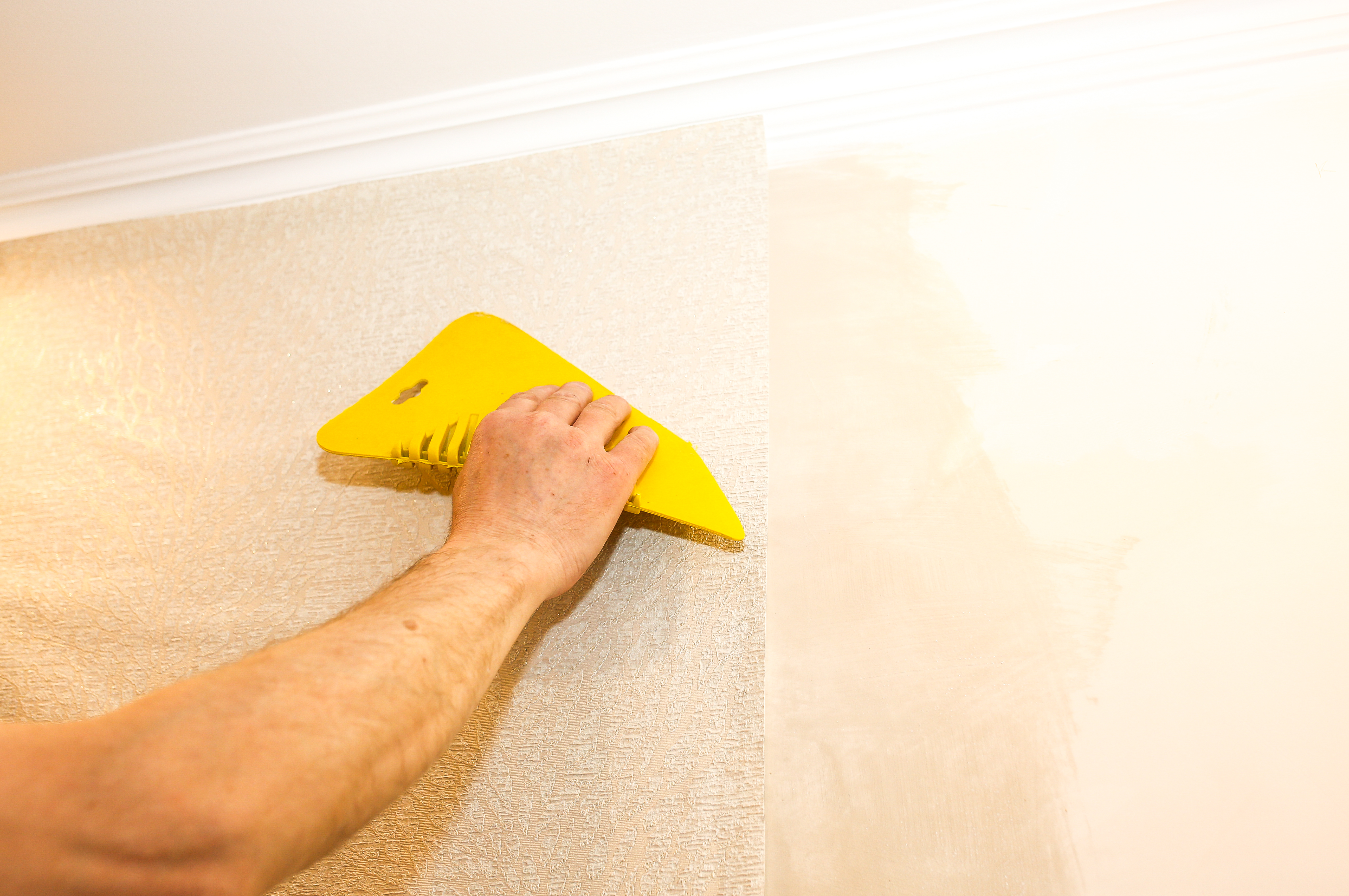
Many types of wallpaper exist, from removable peel-and-stick options to more permanent options that involve pasting. You can also find wallpaper that you can paint over, wallpaper with a texture, and wallpaper made from various materials, such as vinyl. Some types of wallpaper are washable, which can be a great option for kitchens or if your household has small children.
We don’t recommend wallpapering over older paper. That’s because creating layers of glue can invite bubbling or excess moisture on the wall’s surface. You should also prime your wall before applying wallpaper and smooth the wall as much as you can, and another layer of wallpaper complicates this process.
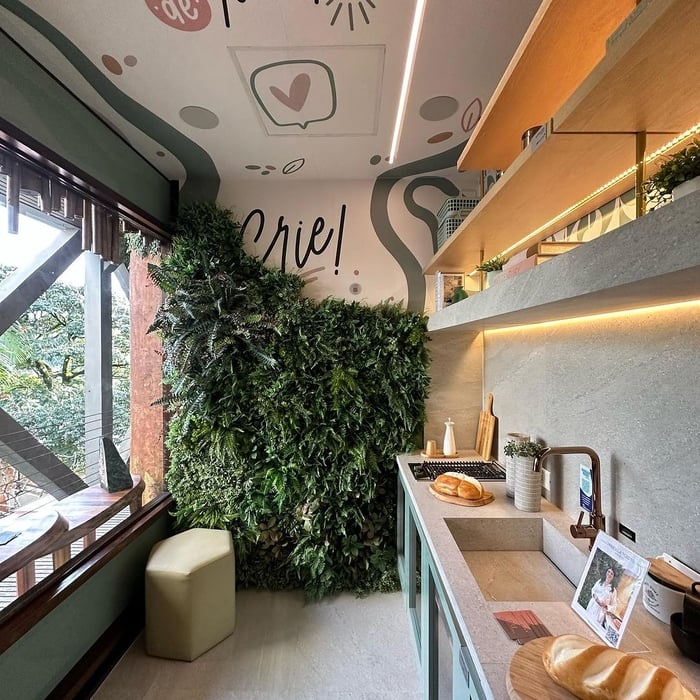
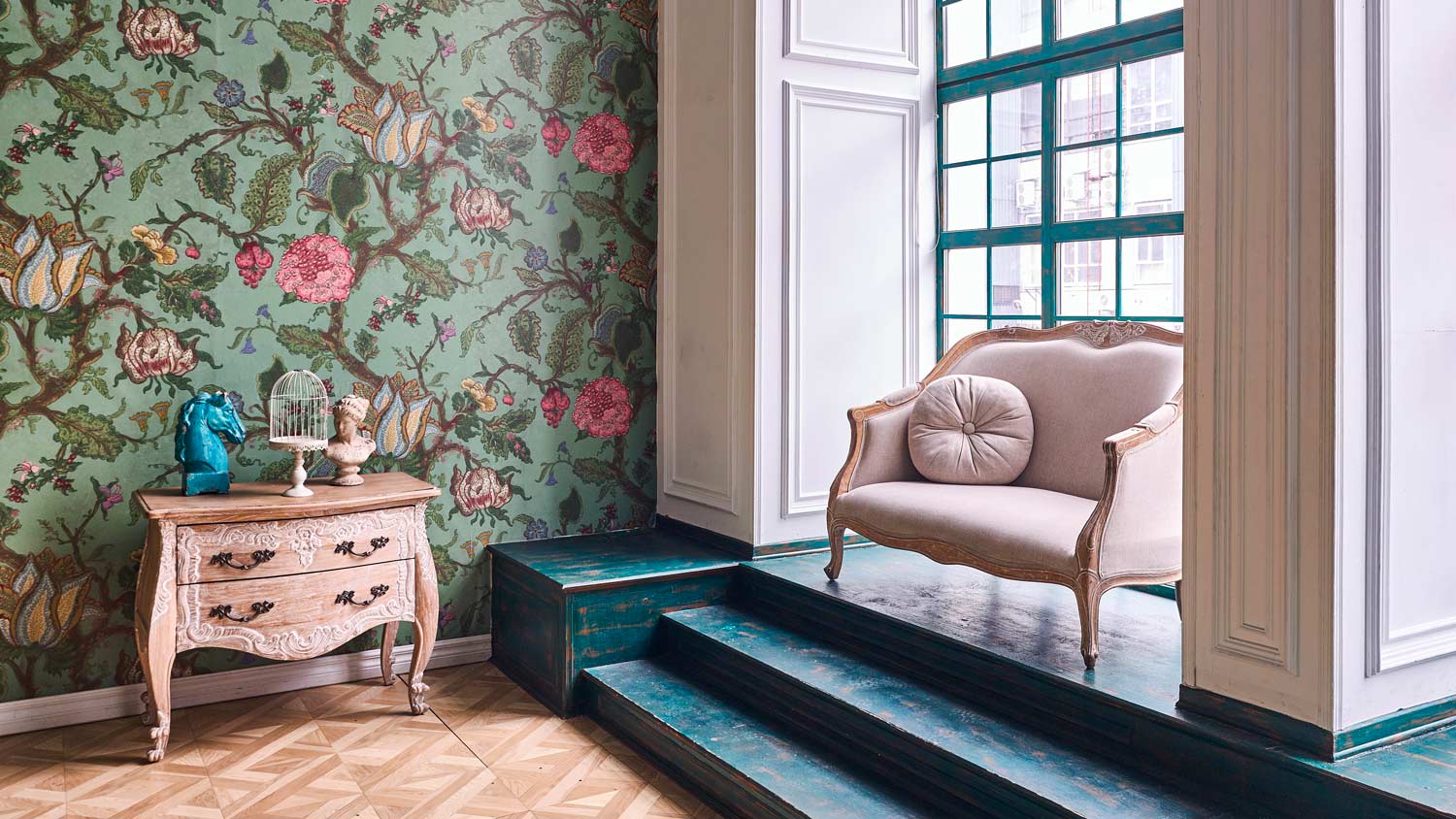
Deciding between a lighter or darker accent wall depends on the effect you’re going for. Choosing an accent wall in a lighter color will make a room feel brighter and more spacious and complement rooms with less natural light. A darker accent wall will add drama and depth to a room and help make larger rooms feel more cozy and intimate.
Wallpaper in bathrooms can last anywhere from one to 10 years, depending on what type was used, how well it was installed, and the measures in place to reduce moisture and humidity levels. Opting for a more durable variety and taking all the necessary protective measures will get you closer to that longer lifespan.
The Green River, UT homeowners’ guide to wallpaper services
From average costs to expert advice, get all the answers you need to get your job done.
Discover wallpaper installation cost. Learn about material, labor, and project factors to estimate your budget and make informed choices for your home.
Whether you can put wallpaper over wallpaper depends on the type of paper you’re using and the condition of the existing surface. Learn more with this guide.