"I needed a super specific and custom window installed in my basement. Iâ m extremely impressed with the attention to detail and precision of work completed. Western Environmental made it a seamless process from start to finish. I will be using them again for future projects and highly recommend them to anyone in need of their services."
"I called the Guy to inspect my place for Mold. I got an immediate response setting up an appointment for the next day. The Guy promptly showed up for our appointment, then went to work inspecting and analyzing the situation and what needed to be done. The Guy, is very competent, thorough and gets right to the issues with his professional work. I am very satisfied with the Guy's analysis inspection and results. I would recommend the Guy, for any type of work in his area of expertise to anyone with a similar question of Mold etc."
Lead Testing and Removal questions, answered by experts
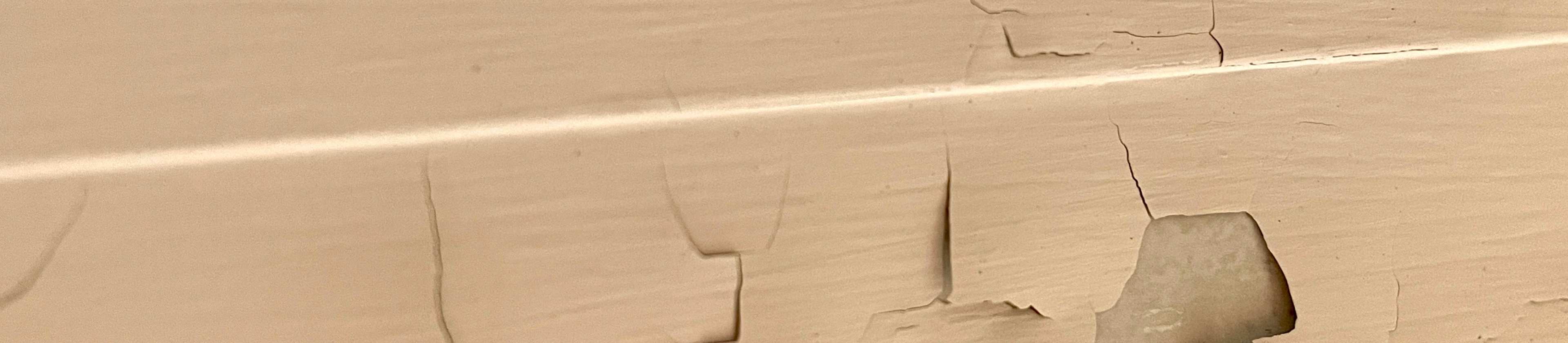
You do not have to remove lead paint if the surface is not chipping or peeling or if there are no pregnant people or children under the age of six who live in or regularly visit your home. Lead paint is a particular risk for young children whose brains and bodies are not fully developed. Experts strongly recommend that you call a pro to remove lead paint if it’s peeling or flaking, no matter who lives in the home. You can experience lead poisoning by breathing in or ingesting just a small amount of it.
Unfortunately, lead dust does not look different from any other type of dust. You cannot detect it with the naked eye. To determine if you have lead dust in your home, you will need to hire a local company to take a sample from the paint and test it for you in a lab.
Iron sediments from rusty pipes are not likely to cause health problems. While a glass of yellow-hued water is off-putting, it is generally safe to drink yellow water in the short term. But you certainly want to address this problem. In the meantime, switching to bottled water until the yellow water issue is resolved is a good idea.
Avoid disturbing suspected lead-containing materials and follow professional guidance on sample collection.
Mold, VOCs, radon, carbon monoxide, and particulate matter are typically measured.
The Green River, UT homeowners’ guide to lead testing and removal services
From average costs to expert advice, get all the answers you need to get your job done.
Get expert insights on lead paint inspection costs, including key cost factors and ways to save. Learn what affects your estimate and how to budget effectively.
Learn how to hire a qualified lead testing professional for your home. Find certified inspectors, understand costs, and protect your family from lead hazards.