"Sales process was good, courteous and helpful. Installation instructions were easy to follow. Did have a small issue with one sensor which was easily solved with a call. Control panel is easy to use and well constructed. Phone app is the best part. Not a big fan of a 2 year contract and the monthly rate feels a little high, but definitely a decent system. I had emailed them a question pertaining installing on double hung windows and never received a reply, but other than that their phone support prior to that was good."
Expert installation optimizes insulation properties, cutting energy costs and enhancing home comfort year-round.
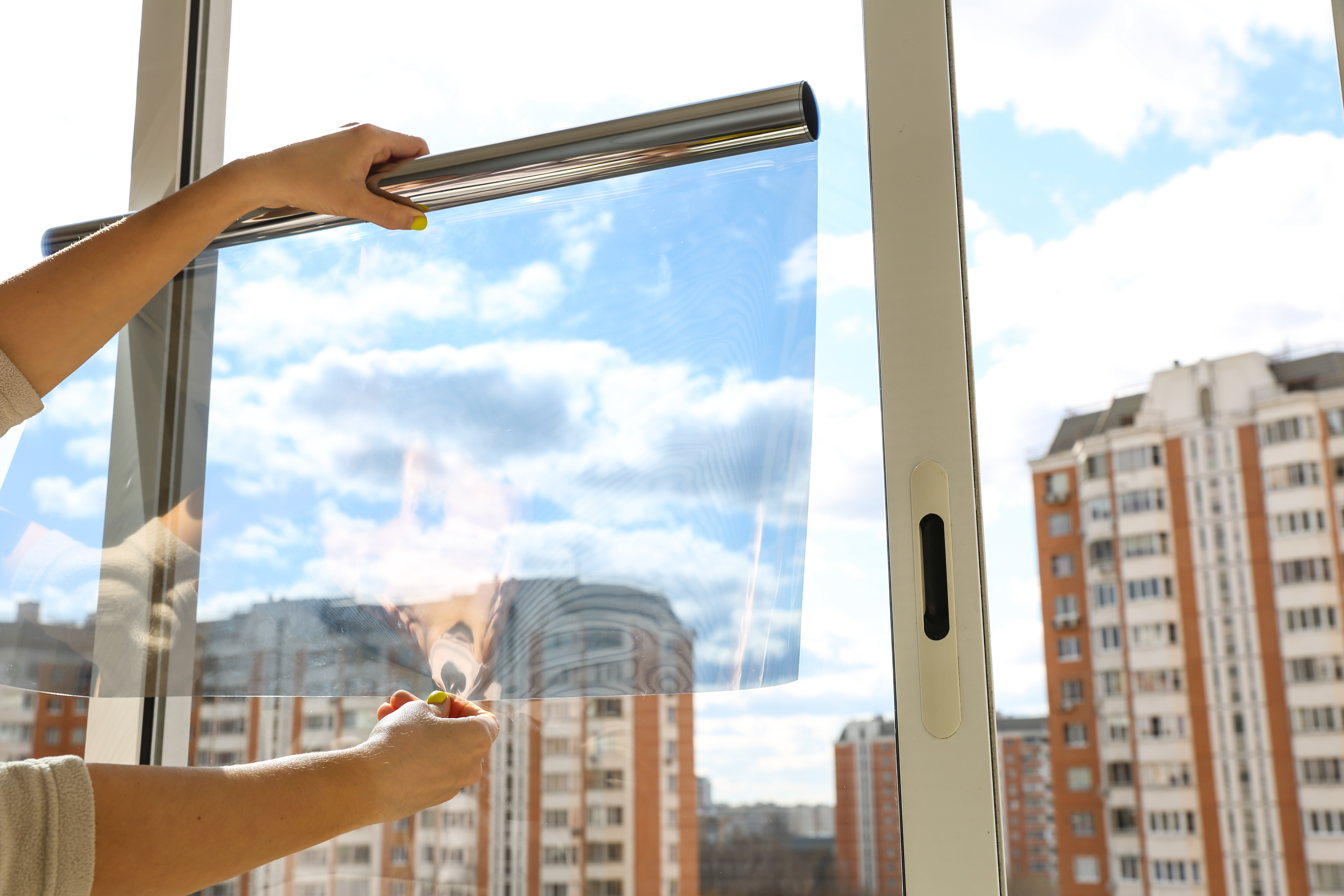
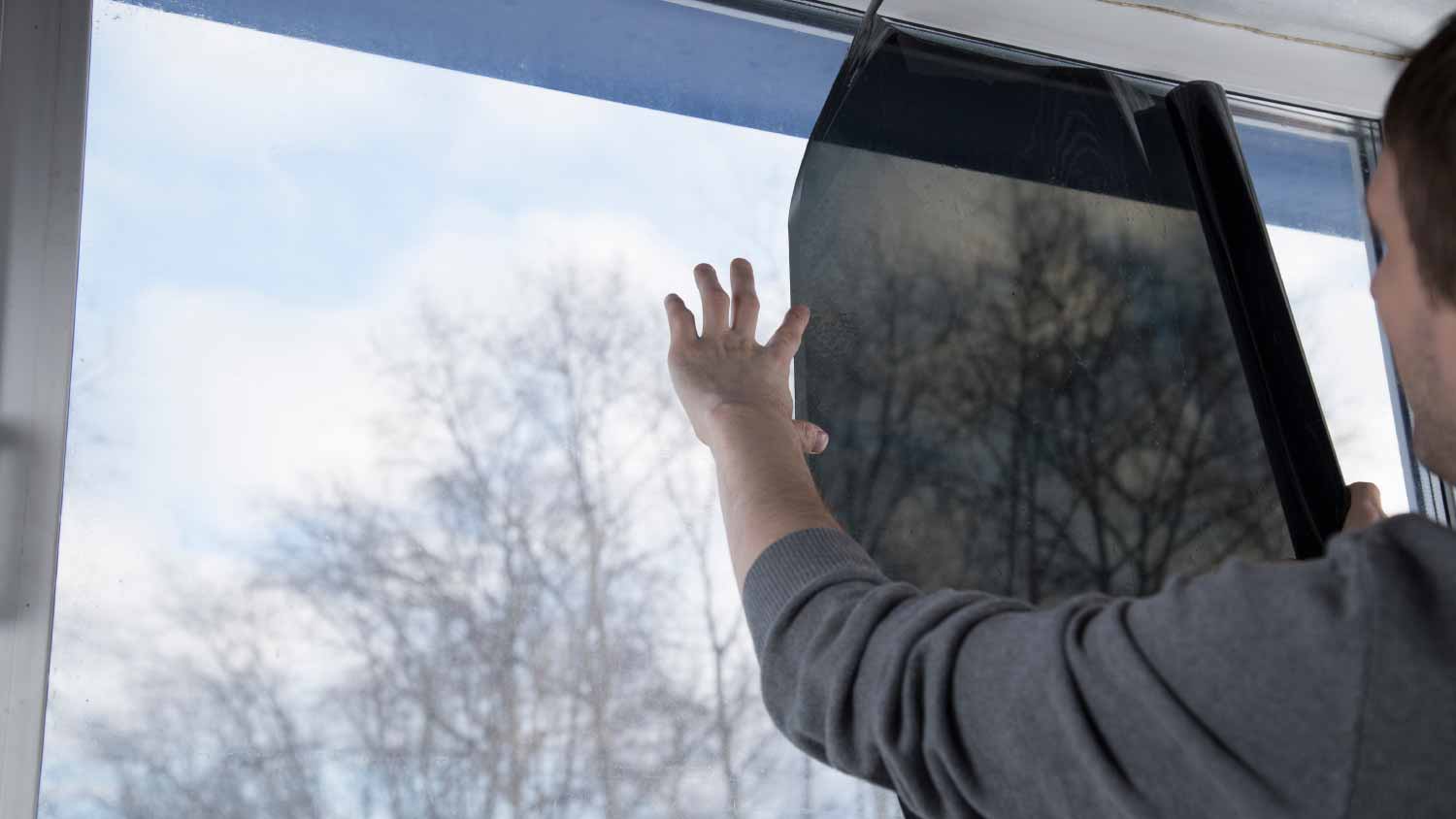
Most window installation and repair companies can handle putting tint film over your existing windows, but it’s best to hire a company that specializes in window tinting. This decision will result in the best application for the cleanest look, and it usually means you’ll get a better professional opinion about the type of tint and tint level that makes the most sense for your home and personal preferences.
DIY is possible, but professional application ensures even adhesion, bubble-free results, and longer-lasting performance.
Upgrade to double-glazed glass or apply energy-efficient coatings to reduce heat loss and utility costs.
The ideal thickness of window film depends on various factors and specific needs. Thicker films generally offer increased durability and enhanced security benefits. They are also typically more effective at reducing heat and blocking UV rays. However, thinner options may be preferable for some applications, such as decorative or privacy films. Thinner films are easier to apply and provide adequate privacy without compromising visibility. Ultimately, the best thickness of window film will depend on your specific requirements, desired benefits, and the recommendations of professional installers.
The Ferron, UT homeowners’ guide to window tinting services
From average costs to expert advice, get all the answers you need to get your job done.
Tinting your home’s windows can add privacy, increase energy efficiency, and block damaging UV rays. Find out who tints home windows so you can hire the best.