





"Install was easy. Up front cost was pretty low with Angie's List coupon. Monthly price is a little high compared to competing companies. Response time with alarms is excellent. I was advised to use glass break alarms within 10 ft of my first floor windows, which we installed correctly. I asked prior to installation if having one in the kitchen would cause false alarms due to dishes clanging, etc. I was told the glass break alarms are configured to a precise frequency that alarms with breaking glass. So, not a "no", but not really an answer. Well, every time we cook dinner, wash dishes or empty the dish washer, the kitchen glass break alarm gives a warning which would sound the alarm if it was set. This has caused us a number of false alarms while we've been away due to shifting bowls or plates in our drying rack. For the first several we've had to pay our police department $120 to check the house, and I was only notified after the first alarm that there was a cheaper option for a security company to drive by to check for a break in."
I pride myself on my professionalism, as well as my ability to complete every job to the homeowner's total satisfaction. I never leave a job unfinished, or a homeowner not 100% satisfied with my level of service - Call today!\n
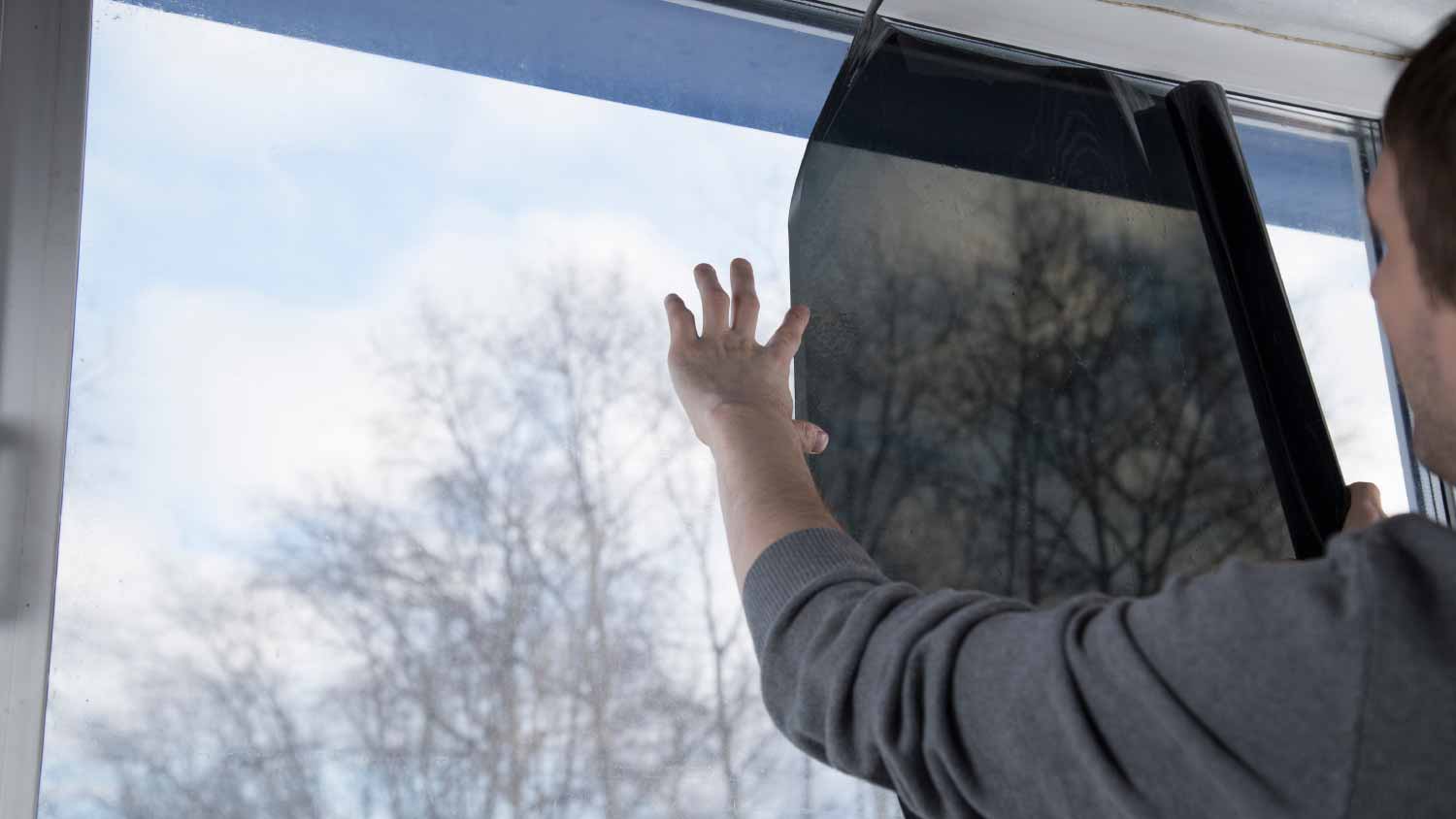
Use a combination of blackout methods to truly black out your windows. If you want to eliminate all light from your room, try installing a very dark tinted film and then putting up blackout shades over the entire window. Reach out to a professional and request some custom-made shades for the best result.
Cellular shades, also known as honeycomb shades, are the most energy-efficient and insulating window treatments. Their honeycomb structure is made of soft fabric that forms layered cell pockets. These pockets trap air, creating a thermal barrier that reduces heat loss in the winter and blocks heat gain in the summer. For even greater insulation, consider double- or triple-cell varieties. Side-tracked cellular shades, which seal the edges of the window frame, can further minimize air leaks and maximize energy efficiency.
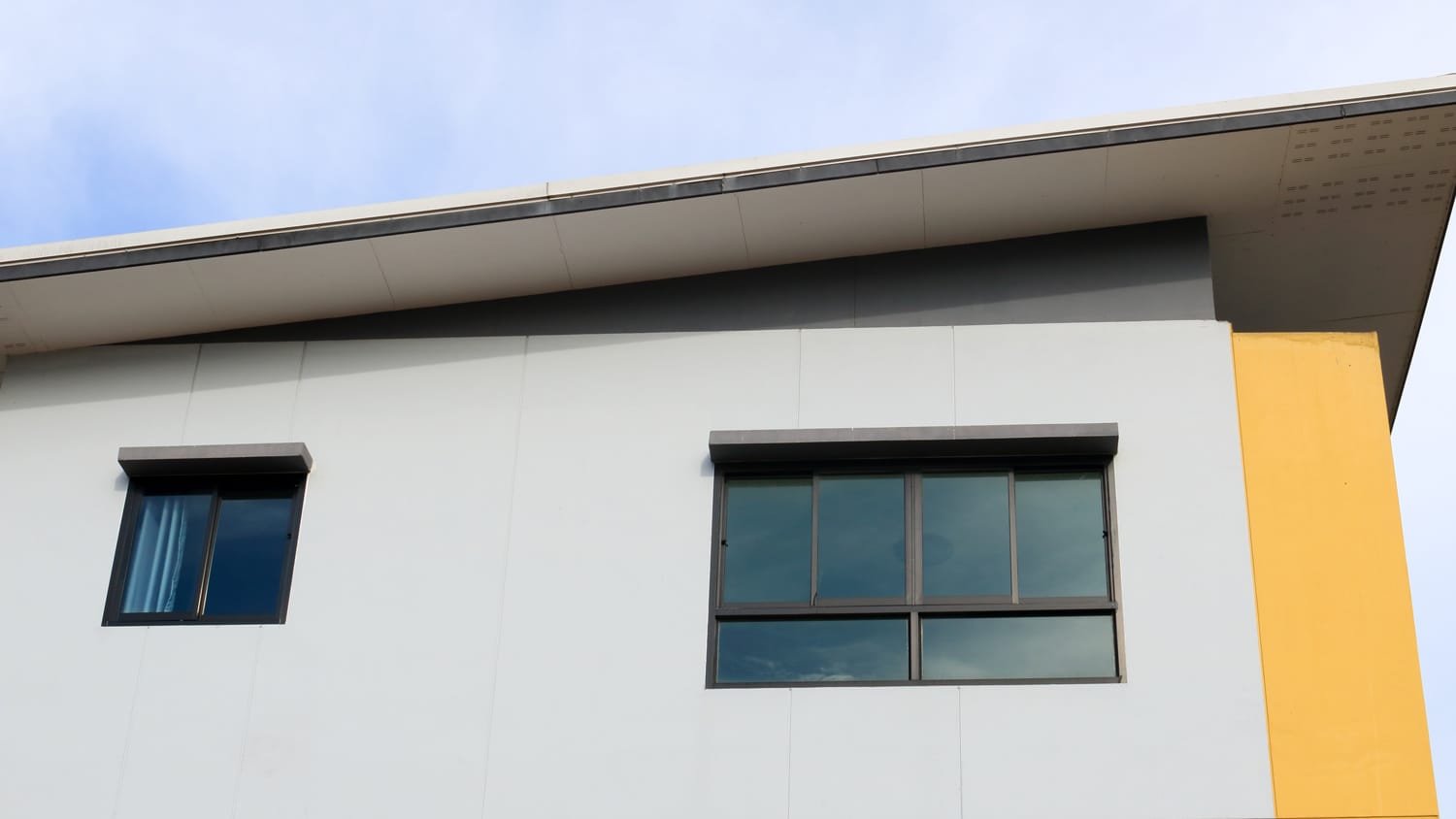
The most popular tint percentage for home windows is 35%. Generally, most homeowners choose a visible light transmission (VLT) between 50% and 35%, where lower numbers mean less sunlight enters the home. A 35% tint blocks over half the incoming light while still allowing plenty of natural light, which can improve energy efficiency and comfort. If privacy is a primary concern, you can opt for a tint of 50% or lower to make it more difficult for people to see inside. However, keep in mind that very dark, thick tints may offer fewer energy-efficiency benefits.
Unlike cars, there are no laws regulating window tint percentages on homes, so you can choose what you think is best. It is often a good idea to hire a professional, as they can show you samples of how different tint levels will look in your specific property, helping you make the right choice.
Replacing a window frame will improve your home’s energy efficiency if the old frame is cracked or damaged in a way that allows unconditioned air from the outside into your living space or if you upgrade to a more energy-efficient window frame material. Aluminum is the least energy-efficient window frame material, followed by vinyl and wood. Fiberglass and composite frames are the most energy-efficient.
The lifespan of window tinting depends on several factors, but a high-quality, professionally applied tint can last anywhere from 5 to 25 years, with premium tints lasting at least 15 to 20 years. Key factors influencing longevity include the quality of the film, the professionalism of the installation, and the type of window. Some companies offer lifetime warranties, while others may only provide a one-year warranty or none at all, so it's wise to verify this with your service provider. To prolong the film's life, clean it gently with a microfiber towel and mild cleaning solutions. Avoid harsh, abrasive, alcohol-based, or ammonia-based cleaners, as well as sharp tools or scrubbers, which can damage the surface.
The Zapata, TX homeowners’ guide to window tinting services
From average costs to expert advice, get all the answers you need to get your job done.
Can I tint my house windows? Home window tinting is a small upgrade that can yield major benefits. Here’s everything you need to know before taking the plunge.