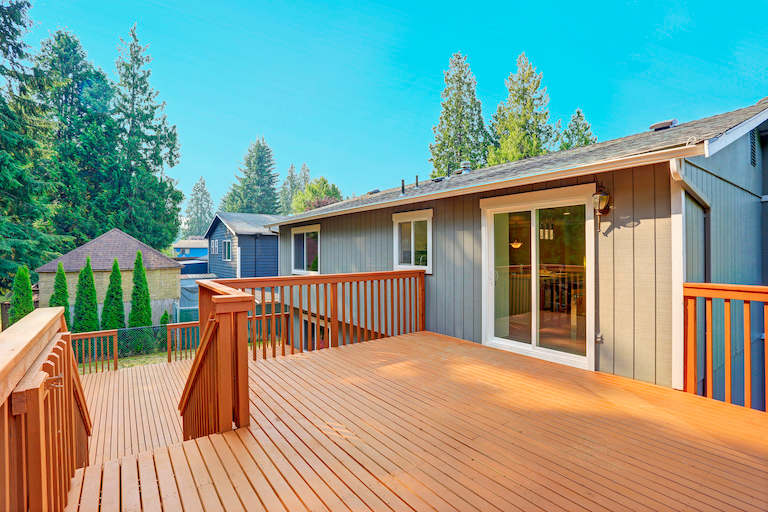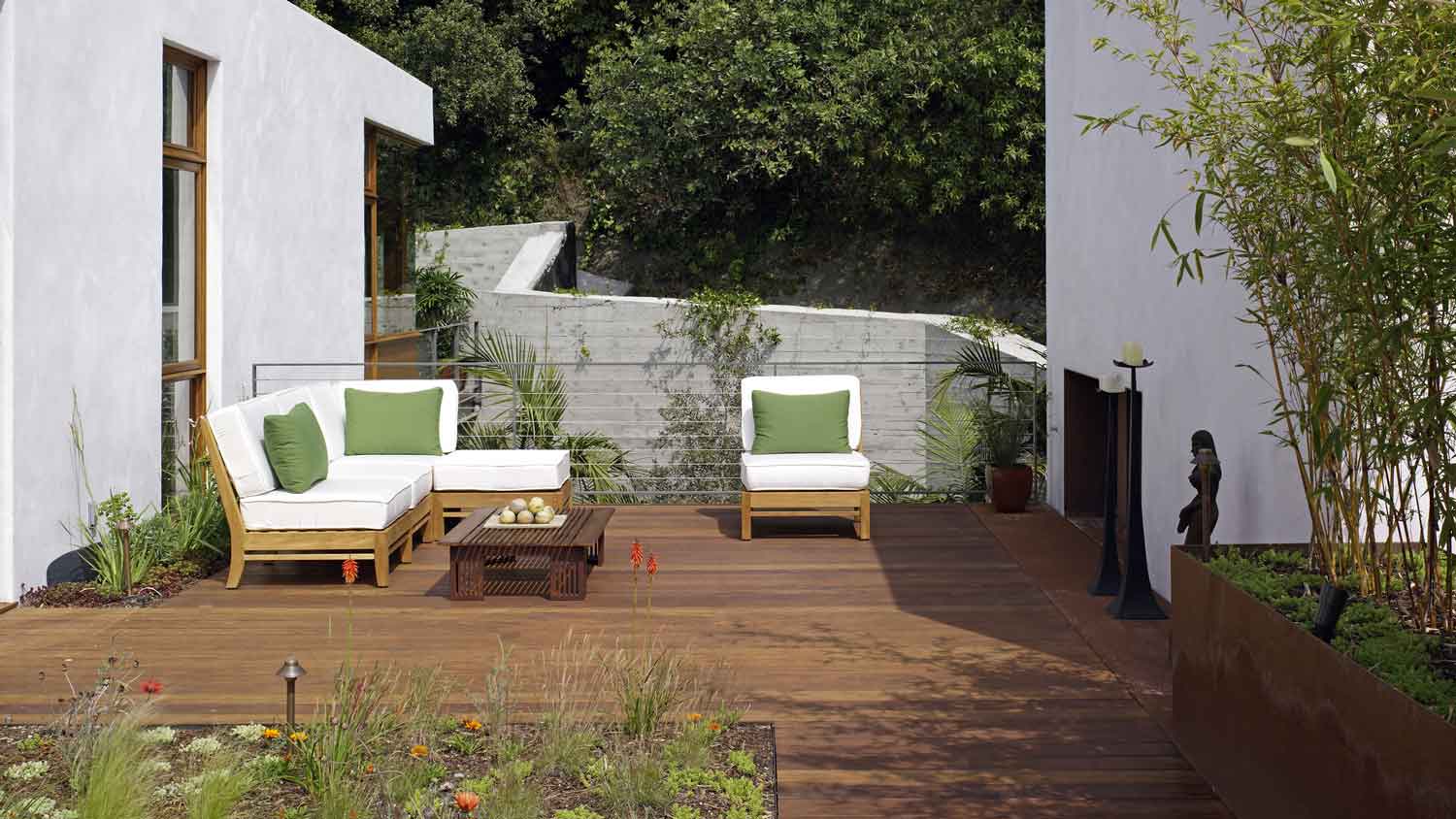









Top-rated deck cleaning pros.

Get matched with top deck cleaning pros in Wolfforth, TX

Enter your zip and get matched with up to 5 pros

Need a pro for your deck cleaning project in Wolfforth, TX?

Select your specific project to find the pro for you.

TRUSTED BY WOLFFORTH, TX HOMEOWNERS

  • Average homeowner rating star icon4.2
    Average homeowner rating
  • Verified reviews icon82
    Verified deck cleaning services reviews

Find Deck cleaning pros in Wolfforth

...
Showing 1-10 of 70
Deck Cleaning questions, answered by experts

It is possible to pressure wash your deck, but it’s usually best to leave the work to a professional for two main reasons. First, power washers are expensive, and you can avoid high upfront costs by hiring a deck washing pro instead. Second, you must be careful to use the correct setting to avoid damaging your deck material. You can only clean soft woods like pine with a wide spray and a low pressure; otherwise, the water will leave unpleasant marks on your deck. Hard woods, composite material, and metal can stand up to increasingly higher water pressures.

The best direction for a gate to swing depends on its location and purpose, but swinging inward is the general rule. An inward swing is often considered safer, prevents the gate from opening into public spaces like a sidewalk, and may be required by local building codes.

There are exceptions and specific considerations. If your property is on a slope, an inward swing might not be possible. For a deck gate, it's safest to have it swing away from any steps. In a backyard, the direction can be a matter of preference, though an inward swing can be helpful when carrying heavy items like a wheelbarrow into a garden.

Regardless of direction, ensure the gate can open fully without hitting any objects or blocking spaces. While an inward swing is standard, a gate that can swing both in and out offers the most flexibility if your setup allows for it.

Yes, deck pier blocks can be used as an alternative to traditional deck footings, especially for smaller or low-to-the-ground decks. Unlike poured concrete and buried post footings, deck blocks do not require digging or pouring. However, their use is dependent on local building codes. Some areas, particularly those prone to high winds, earthquakes, or hurricanes, may not permit the use of deck pier blocks. It is essential to consult your local building codes before choosing them for your deck project.

The proper and most comfortable height for a deck stair riser, also called a step, is between four and seven inches. A height of seven inches is often considered ideal for a strain-free step that minimizes the risk of trips and falls. While it is possible to have risers up to 12 inches, this height can be challenging for children, pets, or individuals with mobility issues. For optimal safety and comfort, pair a seven-inch riser with a tread depth (or run) of at least 10 to 12 inches. Always check your local building codes, as they may have specific requirements that differ from these general recommendations.

There are approximately 5.33 board feet in a 2x4. You can use the board foot calculator in this article to easily find the answer. A 2x4 is 2 inches of thickness by 4 inches of width, so you need to find the length, with 8 feet being the most common. You’d use the calculator here to multiply 2 times 4 times 8, and then divide by 12, arriving at a total of 5.33 board feet. 

The Wolfforth, TX homeowners’ guide to deck cleaning services

From average costs to expert advice, get all the answers you need to get your job done.