

Top-rated lead testing and removal specialists.

Get matched with top lead testing and removal specialists in Winona, TX

Enter your zip and get matched with up to 5 pros

Need a pro for your lead testing and removal project in Winona, TX?

Select your specific project to find the pro for you.

Find Lead testing and removal specialists in Winona

Lead Testing and Removal questions, answered by experts

Lead testing prior to purchasing a property ensures that the new owners are informed about potential hazards, prevents health risks associated with lead poisoning, and facilitates timely remediation.

Hazardous waste is waste that poses a threat to human or environmental health. This generally refers to waste that is flammable, corrosive, toxic, or reactive. To confirm if the waste you need to remove is considered hazardous waste, contact your local hazardous waste facility.

DIY kits are available for basic air quality testing, but professional services provide more comprehensive results and recommendations. While a DIY kit may seem cost-effective, a professional assessment is more thorough. Inspectors are better equipped to catch all pollutants and hazards, and you'll still need a professional to verify and act on DIY test results. Furthermore, some kits don't test for certain pollutants or only detect their presence without measuring specific levels (like mold spores). It's generally better to opt for a detailed professional assessment.

DIY lead testing kits are available, but they often lack the accuracy and reliability of professional services. Professional testing is recommended for more accurate results, as properly certified testers can provide a thorough analysis, clear recommendations, and the necessary legal documentation if remediation is required.

According to the Environmental Protection Agency (EPA), hazardous waste is generally classified into four main categories:

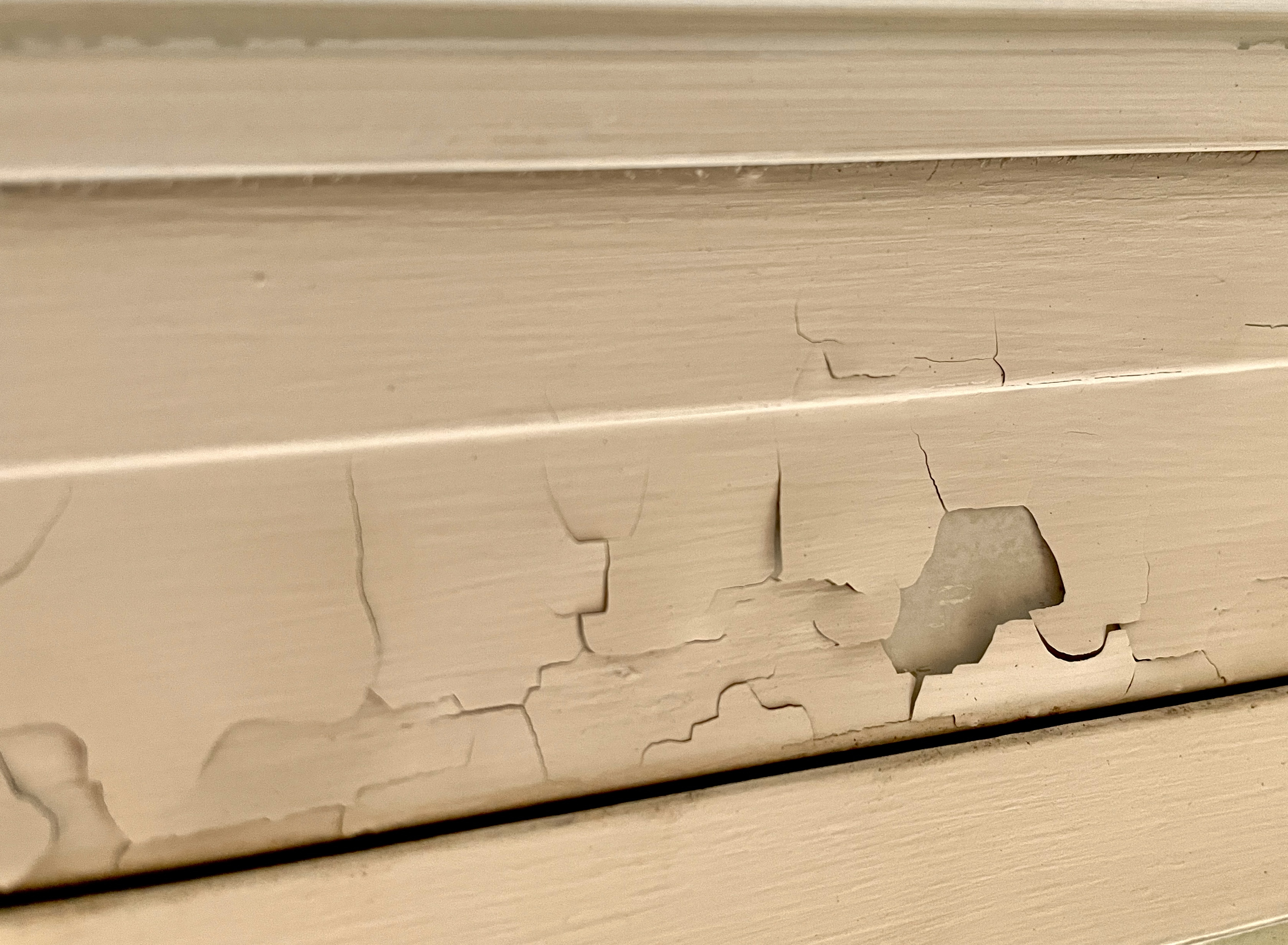
1. Characteristic Wastes: These exhibit at least one of four hazardous traits: ignitability (flammable, like gasoline), corrosivity (can rust or decompose materials, like car batteries), reactivity (unstable and can explode, like aerosol cans), or toxicity (harmful when ingested, like lead-based paint).

2. Listed Wastes: These are specific wastes from manufacturing and industrial processes that the EPA has officially designated as hazardous. They include byproducts from processes that use solvents, pesticides, and other chemicals.

3. Universal Wastes: These are commonly generated hazardous items that are subject to streamlined regulations. Examples include batteries, pesticides, mercury-containing equipment (e.g., bulbs), and some lamps.

4. Mixed Wastes: This category includes waste that contains both hazardous and radioactive components, making it subject to regulation by both the EPA and the Nuclear Regulatory Commission.

The Winona, TX homeowners’ guide to lead testing and removal services

From average costs to expert advice, get all the answers you need to get your job done.