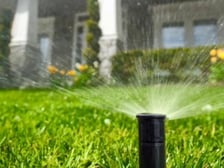
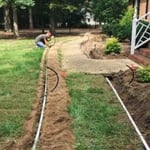
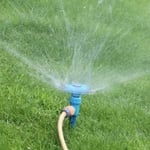
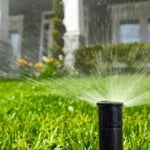
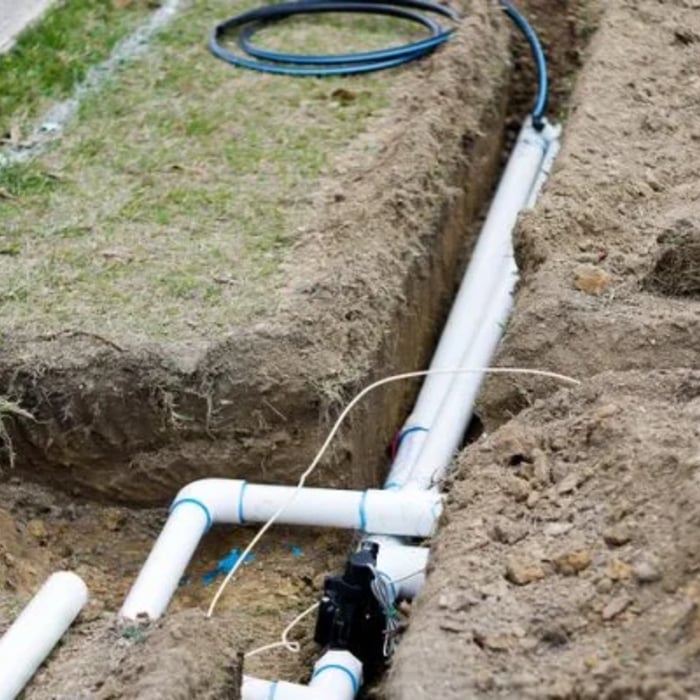
"He did a great job on repairing our old sprinkler system and replacing our old control panel with a new one. I would highly recommend him and his company."
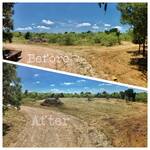
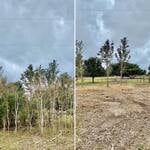
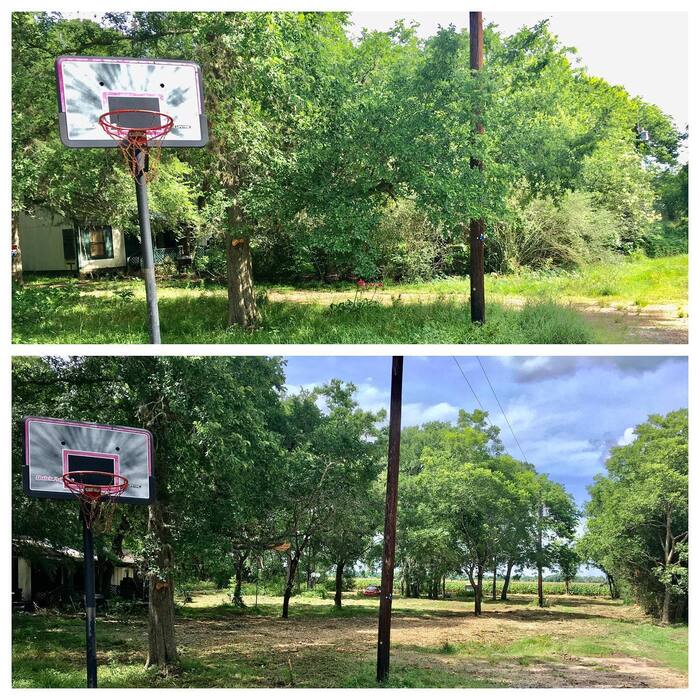
"I needed my yard cleared from 2 years of neglect. They did such a good job at a very reasonable price that I hired them again to fix my whole fence! They did a great job with that as well! Thanks guys!"
We are extremely passionate about the work that we do. You can depend on us to provide a high quality service at a fair and honest price. We understand that the future of our business depends upon our reputation and that is why customer service is by far our highest priority. If you are looking for a professional you can trust, please call today to schedule a no-obligation estimate!
As much as you might try to keep a healthy, nutrient-rich lawn, you still may notice signs of St. Augustine decline (SAD)—a viral disease that discolors your grass blades. St. Augustine decline looks like:
Discoloration in the leaves (chlorosis)—leaves appear yellow and splotchy
Decline in growth
Leaves turn black within 3 years
Grass appears less vibrant
Grass begins to thin
Root rot
Grass takes longer to recover
Grass is the most popular and safest option for planting over a septic drain field, but you can also plant small flowering plants and other lightweight plants that don’t have woody or deep roots. Avoid trees and bushes within 10 feet of the field, as the woody roots can crack the perforated pipes. You should also avoid planting vegetable or fruit gardens over your drain field, as a leak from the pipes could contaminate the soil and put anyone who eats the produce at risk.
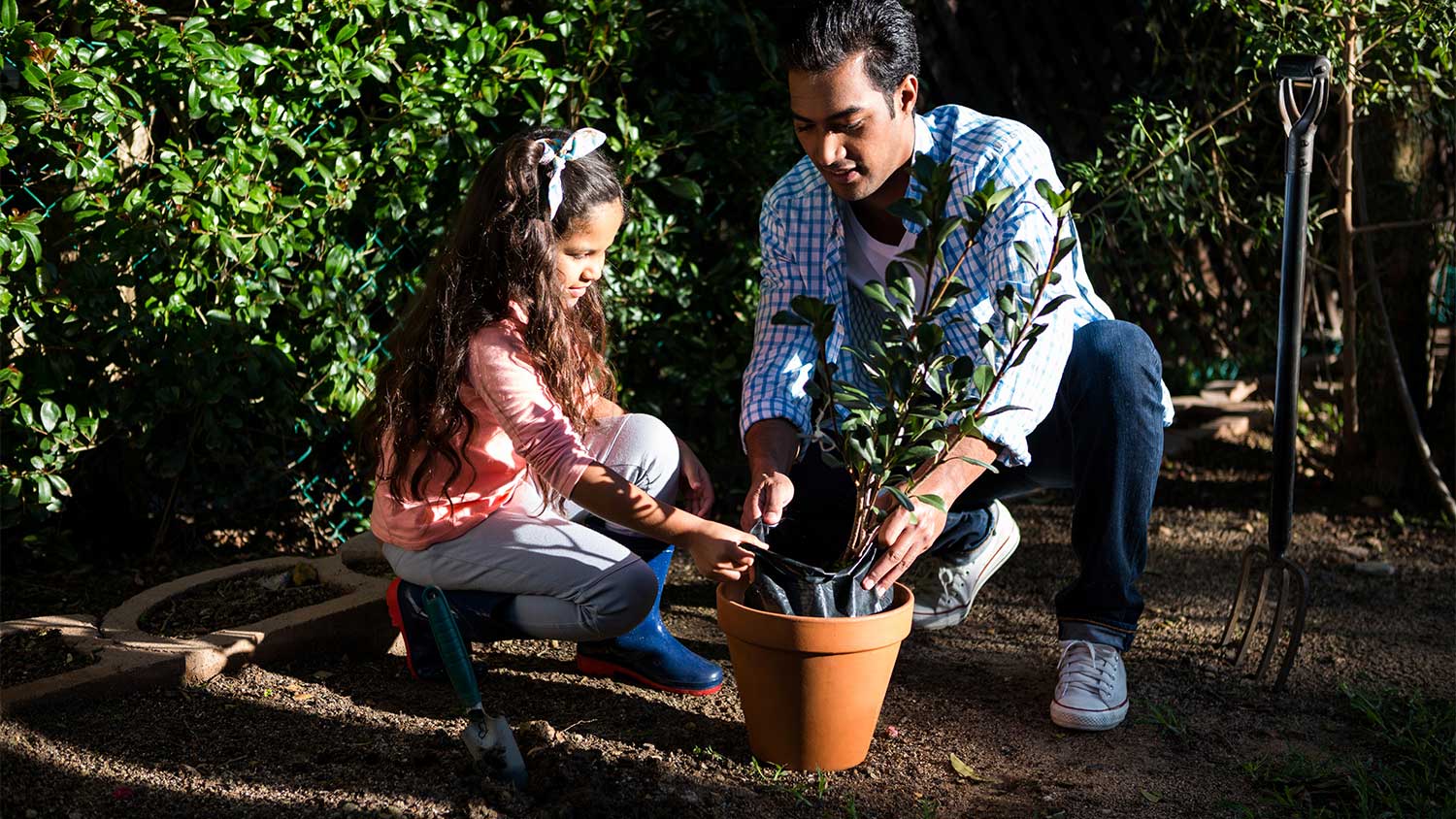
Multiple rules of thumb exist when discussing tree planting. When planting a tree, the best rule of thumb is to provide it with everything it needs to survive and thrive in its new environment. That may mean learning about the type of tree you're planting and studying the best methods of taking care of it before purchasing and planting.
There are two main times of year to apply mulch: mid to late spring and late fall. Spreading mulch in mid to late spring helps protect new seedlings as the soil warms up. It's best to wait until temperatures are steady, as mulching too early in the spring can slow down the soil's warming process and hinder plant growth. Fall mulching is also beneficial, as it insulates the soil and helps regulate its temperature when the first frosts arrive.
If you want to take your tree-planting hobby beyond your outdoor space, here are a few great ways to do it:
Encourage your neighbors to participate in the Arbor Day Foundation’s Tree City USA program, which has a four-step framework that helps communities grow and maintain their own tree cover.
Support businesses that plant trees.
Lobby your local government to plant more trees around your community.
Donate to a tree-planting charity.
The West End, TX homeowners’ guide to landscaping services
From average costs to expert advice, get all the answers you need to get your job done.
A landscape designer can elevate your outdoor space and bring your vision to life. Use this landscape design cost guide to budget for your next project.
You've heard of landscape designers and landscape architects, but what's the difference? Here's when to hire each pro to bring new life to your landscape.