Top-rated lead testing and removal specialists.

Best lead testing and removal specialists near Trenton, TX

Enter your zip and get matched with up to 5 pros

Need a pro for your lead testing and removal project in Trenton, TX?

Select your specific project to find the pro for you.

Top-Rated Lead testing and removal specialists in Trenton - Updated Nov 2026

Avatar for The Property Adjustment Specialists
The Property Adjustment Specialists
5.0(
2
)
Toxic Lead - AbatementToxic Lead - Testing

Serving Trenton, TX and surrounding areas

In business since 2011

Emergency services offered

Credit card accepted

"It was good to have a comparative estimate for the damage our home sustained. I later found out that the company has a training company for insurance adjusters. The owners were trained by some of the top Insurance providers & wanted to offer the service to homeowners & agents. The ease of talking with them about the claim process & feeling less like a dummy for not knowing what is my insurance policy (they helped me with that too) relieved my anxiety a whole lot."
Recommended by100%of homeowners
Lead Testing and Removal FAQs, answered by experts

“Testing” can start with your senses: Assessing your water’s appearance, taste, and smell can all be good first steps. The best way to know for sure what’s going on with your water is to use a well water testing kit, which can tell you about the specific levels of bacteria, dissolved solids, and hardness of your water with precision. Have a pro test your well water at least once per year.

According to the Environmental Protection Agency (EPA), hazardous waste is generally classified into four main categories:

1. Characteristic Wastes: These exhibit at least one of four hazardous traits: ignitability (flammable, like gasoline), corrosivity (can rust or decompose materials, like car batteries), reactivity (unstable and can explode, like aerosol cans), or toxicity (harmful when ingested, like lead-based paint).

2. Listed Wastes: These are specific wastes from manufacturing and industrial processes that the EPA has officially designated as hazardous. They include byproducts from processes that use solvents, pesticides, and other chemicals.

3. Universal Wastes: These are commonly generated hazardous items that are subject to streamlined regulations. Examples include batteries, pesticides, mercury-containing equipment (e.g., bulbs), and some lamps.

4. Mixed Wastes: This category includes waste that contains both hazardous and radioactive components, making it subject to regulation by both the EPA and the Nuclear Regulatory Commission.


No, a standard home inspection includes the basics and does not offer lead paint testing. Professional lead paint inspectors need specific licenses to perform these inspections, which not all home inspectors have. If you suspect lead paint in the home you are about to purchase, you will need to pay separately to have that done. If the findings come back positive, you may be able to negotiate with the buyer to cover the cost of the removal.

No. Standard homeowners insurance does not cover any kind of lead remediation, focusing instead on sudden, unpreventable events like fires and theft. Many insurance companies will specifically exclude lead paint removal, since it tends to be an expensive and unavoidable project. The exception is if the lead surface is damaged during a covered event (like a flood) and homeowners insurance pays its replacement.

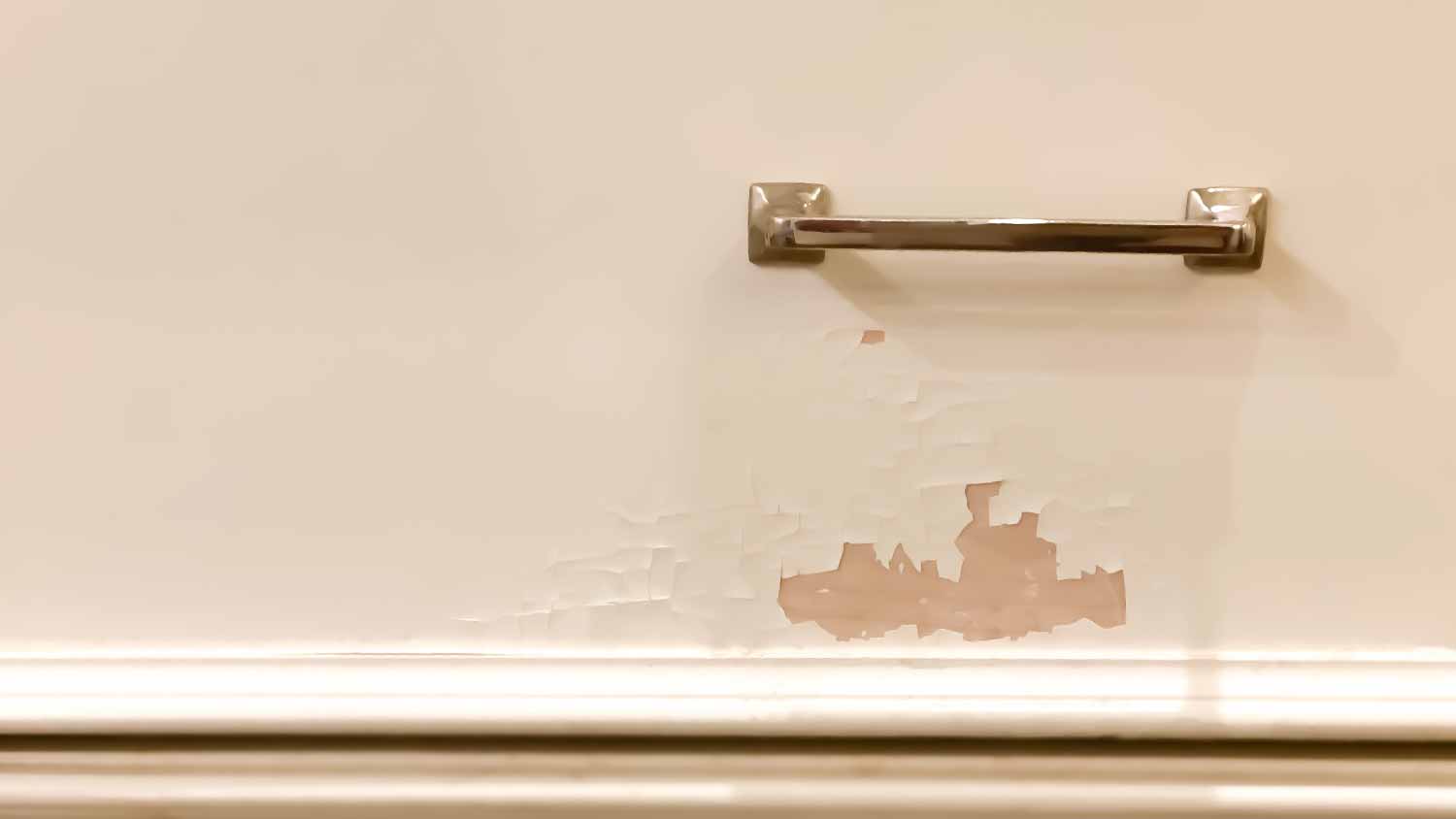
If the lead paint is in a place that is not easily disturbed and is not flaking or deteriorating, you do not necessarily need to remove it. Lead is toxic when dust particles or flakes from peeling lead paint are ingested. If people are not in the area with the lead paint, it may be safe to leave it in place. You still may want to consider encapsulation with a paint formulated for covering lead-based paint, just for an added layer of protection.

The Trenton, TX homeowners’ guide to lead testing and removal services

From average costs to expert advice, get all the answers you need to get your job done.