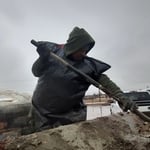
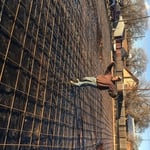
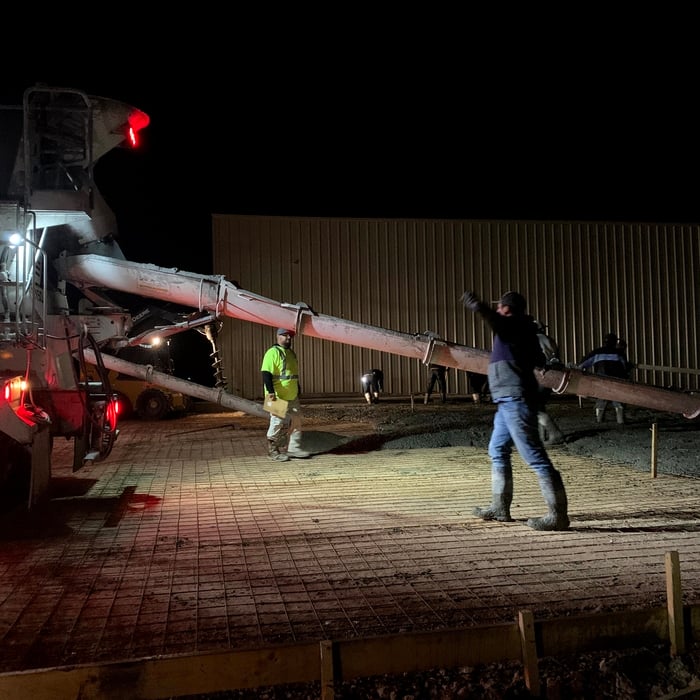
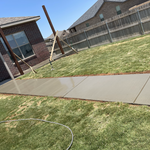
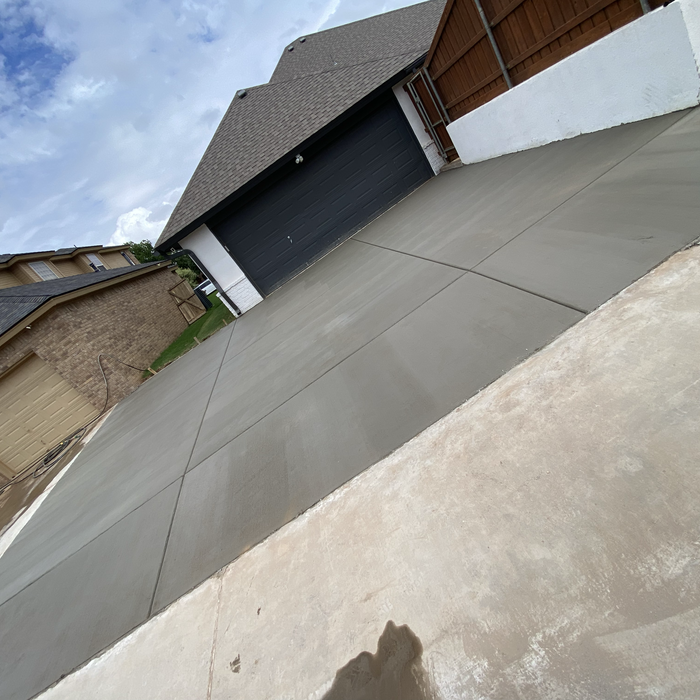
"Very courteous, professional, and respectful crew. The work done exceeded my expectations of quality work which was also accomplished in a timely manner. I would definitely call on them again for further home foundation and driveway repairs. Great job!!!"
"The basement king was a pleasure to work with. His knowledge is unmatched in the Texas area for sure. I received multiple quotes and talked to multiple companies and he was the best. He's passionate about his work and the manner in which it's done. If he says something, it happens. An added benefit was their cleanliness. Usually a job site of this size and complexity is a mess, but not with the basement kings. 10/10!"
"Dominic and his crew were very professional, and courteous. They showed up when they said they would, and finished the work on time. Communication was excellent, and they went outof their way to make sure we got what we wanted. Would definately hire again."
STRUCTURE is a general contracting company that provides a large span of residential and commercial remodeling and repair services as well as painting and fence installation.
Trenching and boring are two distinct methods for installing underground utilities. Trenching involves digging a channel using equipment like an excavator, trencher, backhoe, or shovel. While it is a simpler process, it causes significant disruption to the surface, landscaping, and surrounding ecosystems.
Boring, also known as directional boring, is a less invasive alternative that uses a drill to create a tunnel for utility lines without disturbing the surface. This method is more precise and is ideal for installations that need to go underneath buildings, roads, or bodies of water. Although boring is less disruptive, it is generally more expensive than trenching.
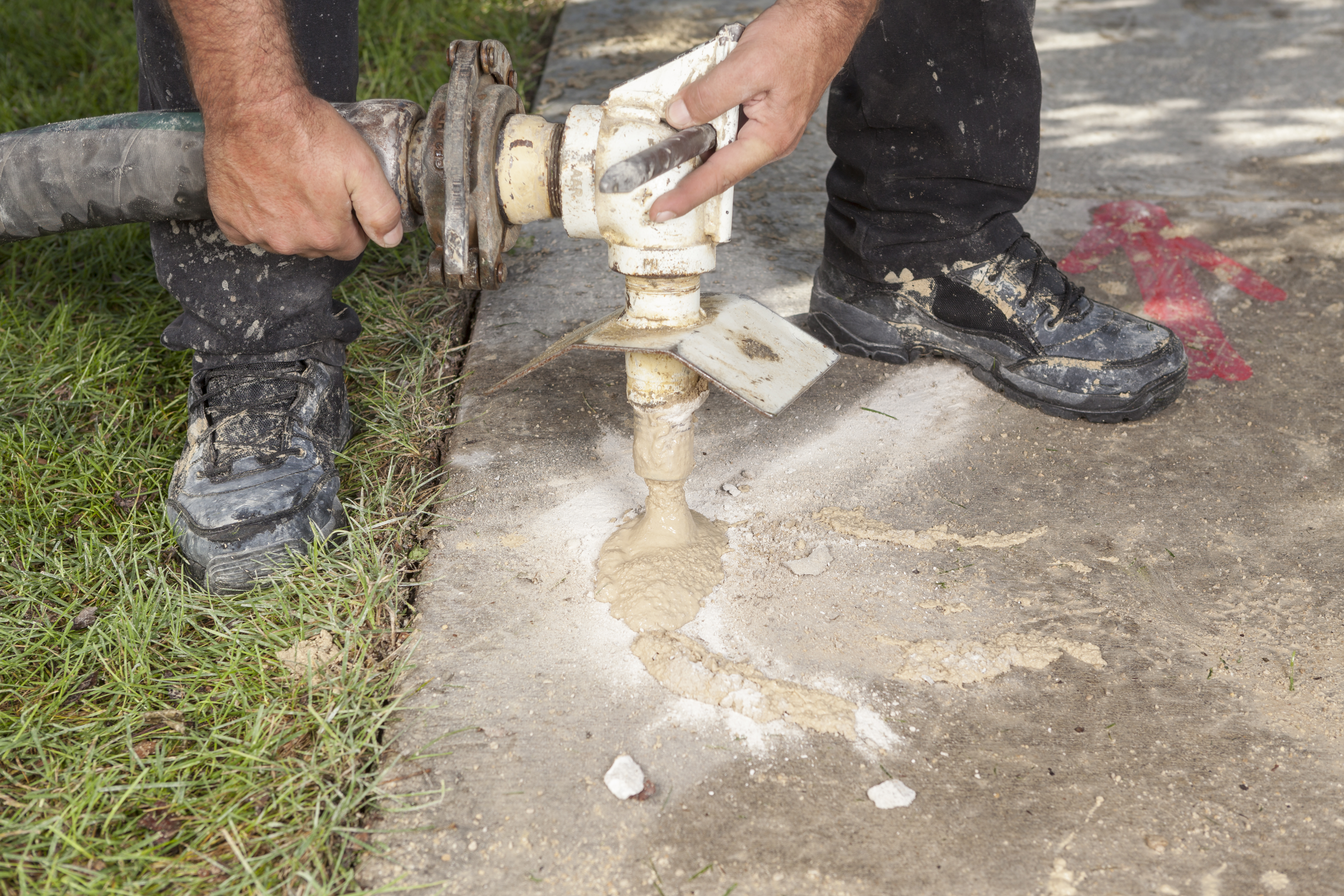
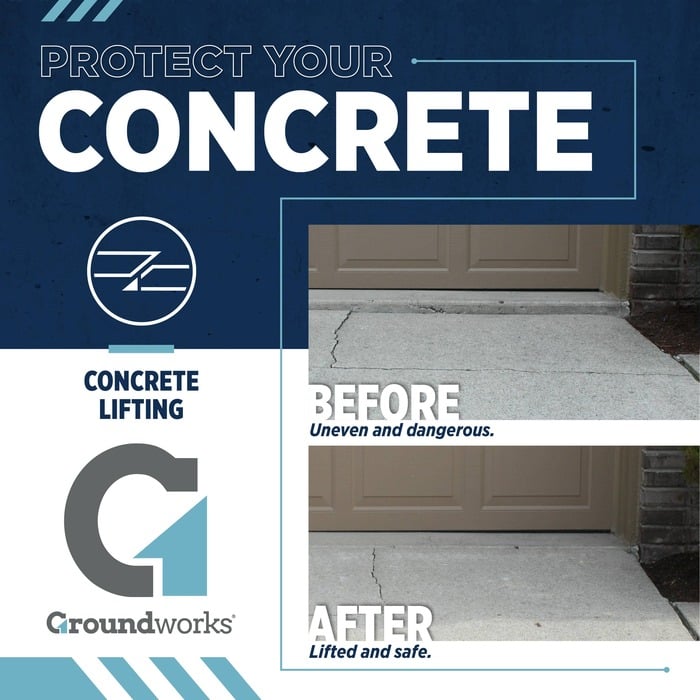
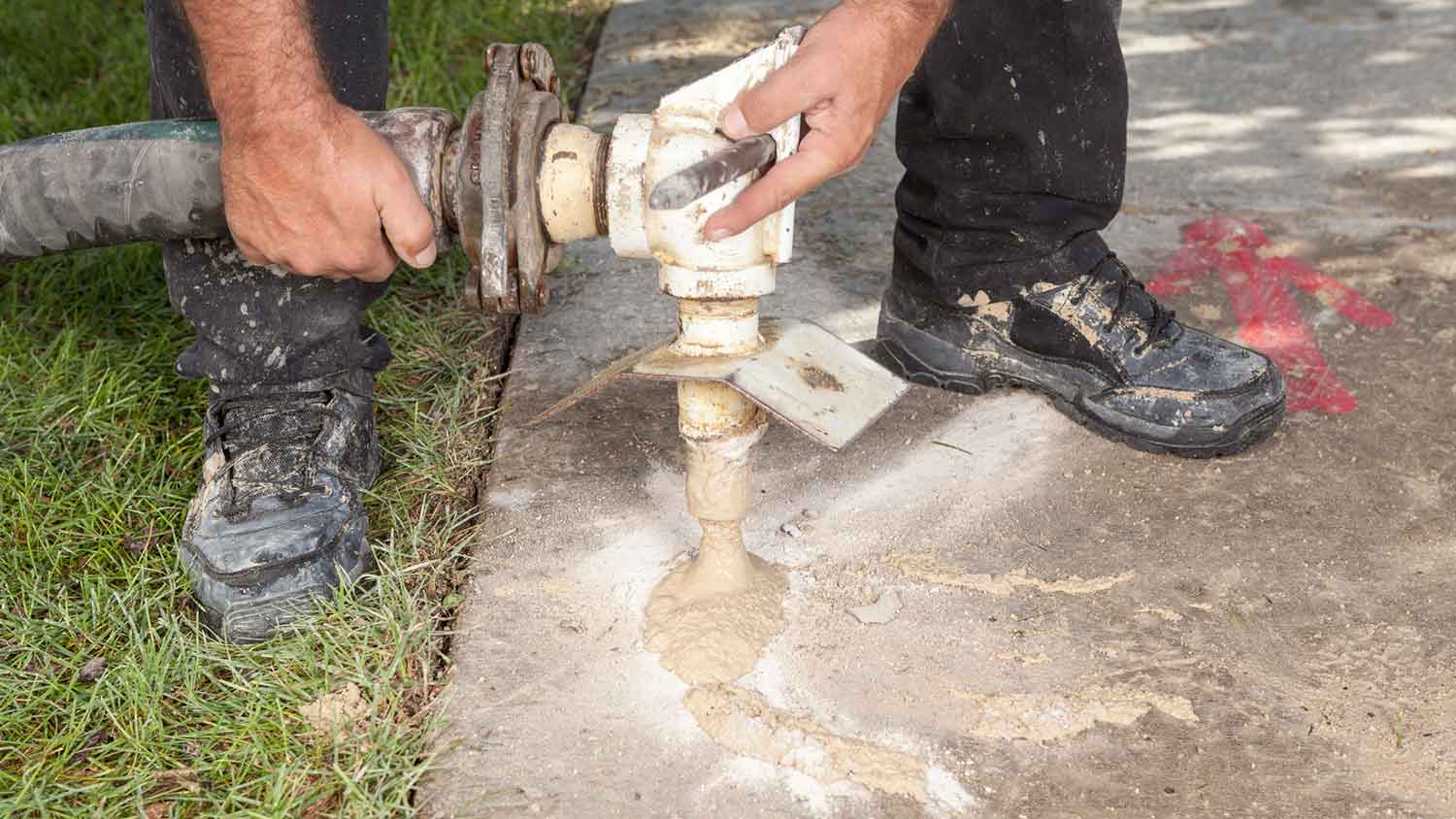
A slurry of cement, sand, and water is injected beneath the concrete to lift and stabilize it.
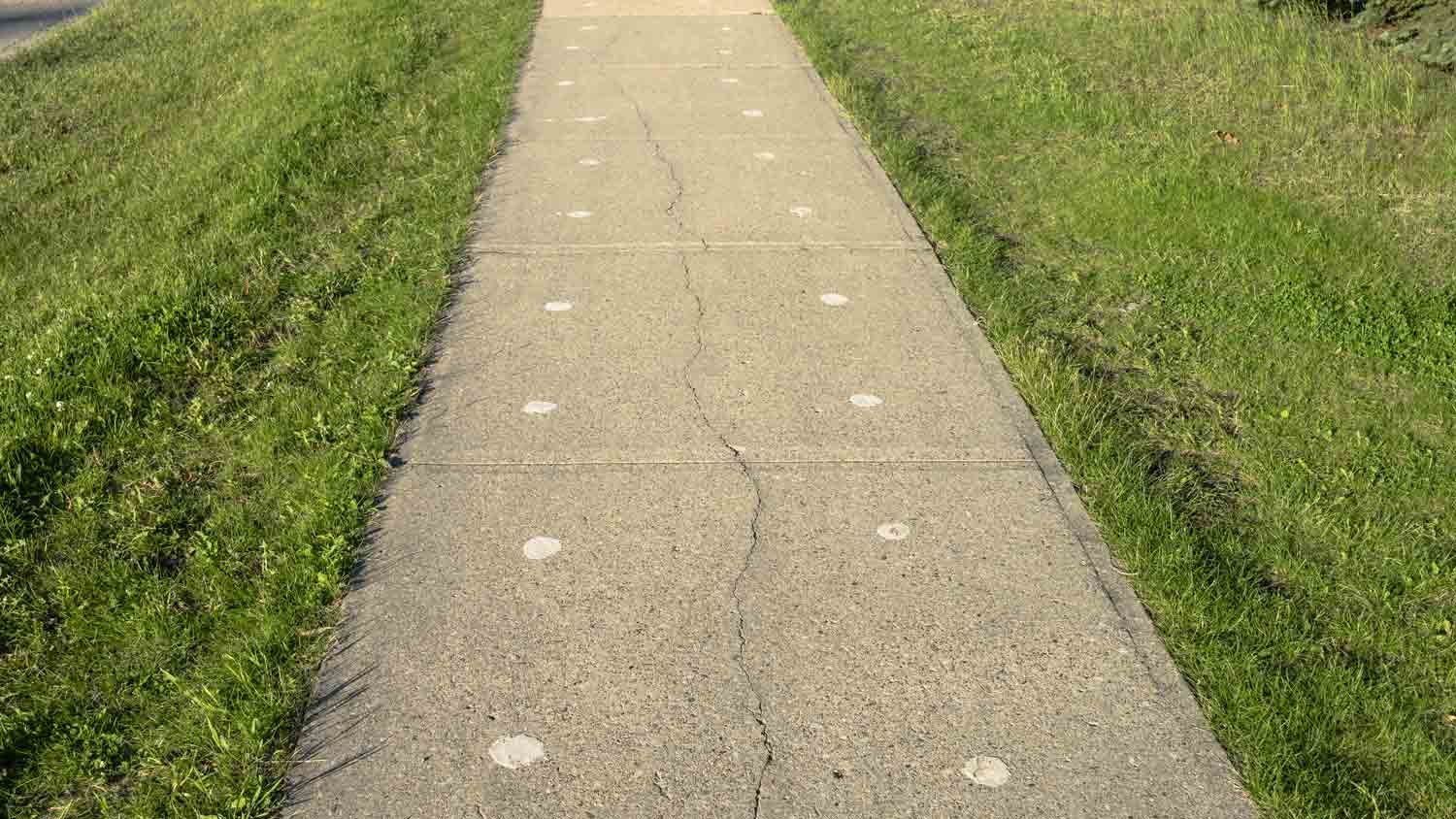
Common issues with concrete that may require professional repair or resurfacing include cracks, spalling, uneven surfaces, and weather damage.
Concrete leveling is not typically covered by insurance. In some cases where the shifting concrete is caused by a natural disaster or storm, you may be able to file an insurance claim if your policy specifically covers those circumstances. In most cases, though, you’ll pay out-of-pocket for concrete leveling.
Polyjacking and mudjacking can both be effective solutions for sinking concrete, but they have key differences. Polyjacking, which uses expanding polyurethane foam, is often considered a better option because the foam is significantly lighter than the cementitious material used for mudjacking. This reduced weight puts less pressure on the underlying soil and lowers the risk of future sinking. Polyjacking is suitable for any sinking concrete slab, while mudjacking is typically only recommended for non-structural concrete, such as sidewalks, patios, pool decks, and driveways. The primary drawback of polyjacking is its cost, which can be up to four times higher than mudjacking—as much as $25 per square foot compared to a maximum of about $6 per square foot for mudjacking.
The Sudan, TX homeowners’ guide to concrete mudjacking services
From average costs to expert advice, get all the answers you need to get your job done.
DIY mudjacking is an advanced task, but learning how to raise a concrete slab is great to know for many scenarios. Let's take a look at how to DIY mudjack.
Sunken concrete can be a structural issue, but a professional can easily repair it. Ask these concrete injection leveling and mudjacking questions before you hire.