


Top-rated deck repair pros.

Get matched with top deck repair pros in Snyder, TX

Enter your zip and get matched with up to 5 pros

Need a pro for your deck repair project in Snyder, TX?

Select your specific project to find the pro for you.

Find Deck repair pros in Snyder

Avatar for Pressurewashtx.Com
Pressurewashtx.Com
5.0(
6
)
Deck or Porch - RepairDeck or Porch - Repair - For Business

Serving Snyder, TX and surrounding areas

In business since 2011

Free estimates

Credit card accepted

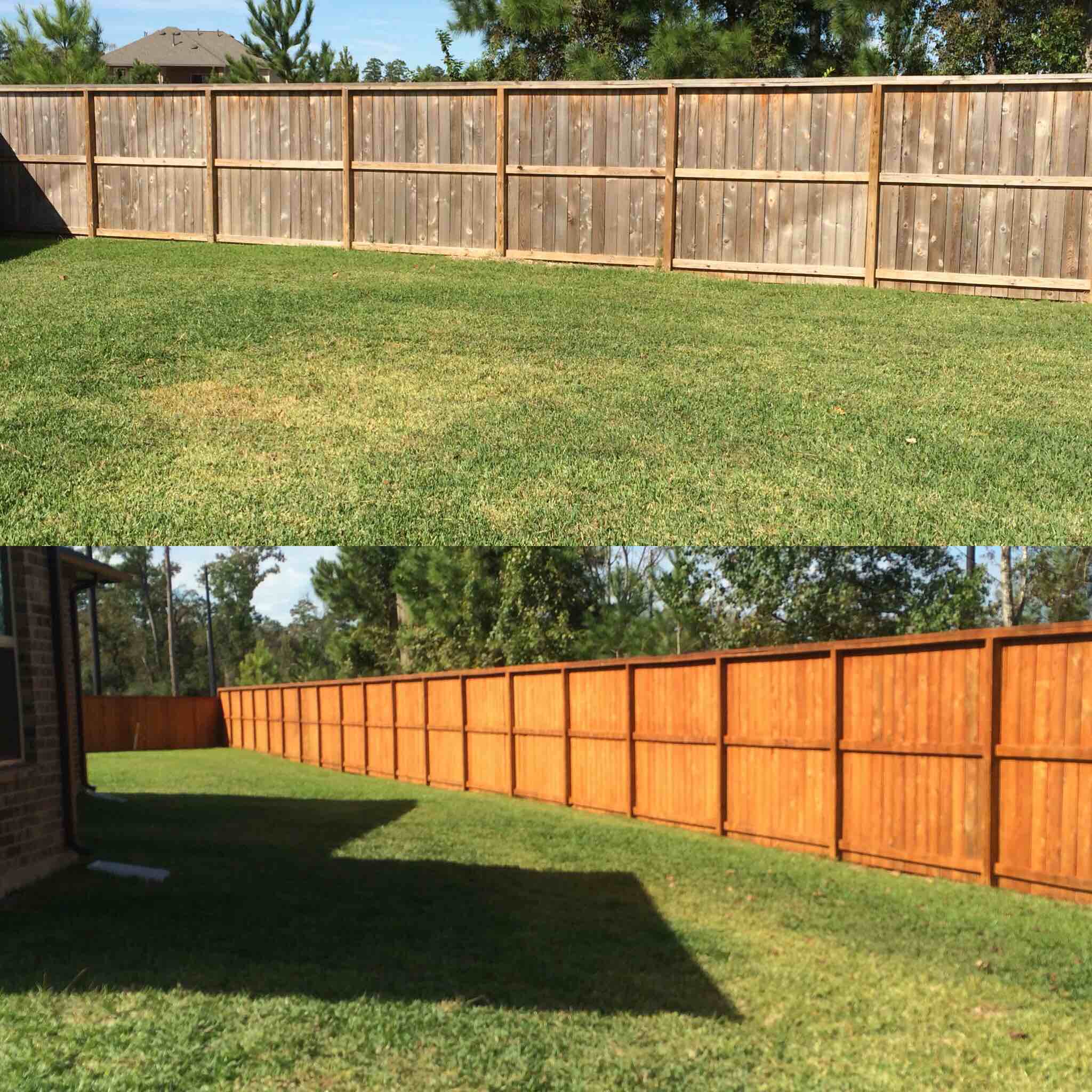
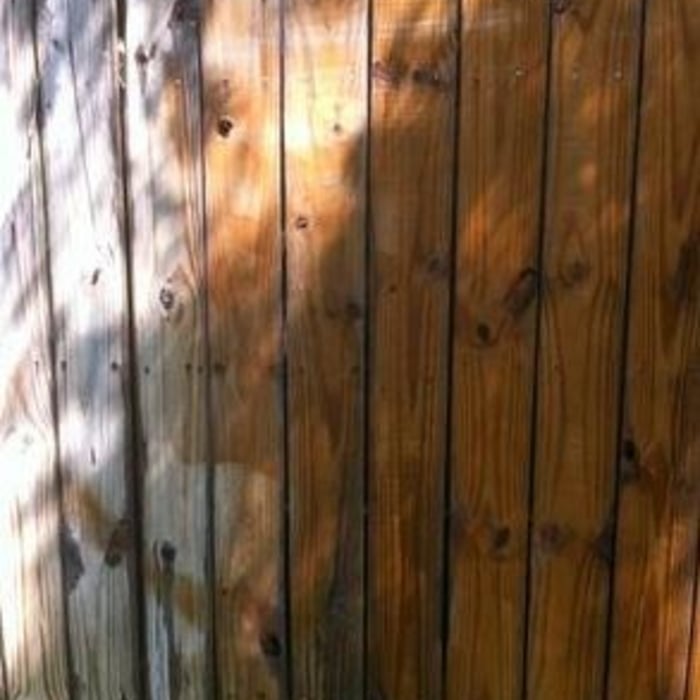
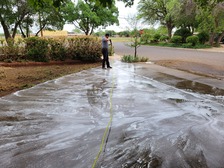
Pressure washing does more than simply clean exteriors, cleanup spills and remove stains. A good pressure washing job can restore the beauty of a home, increase the appeal of a business or attract more customers. This takes a great team of professionals that have experience in all types of pressure washing jobs.\n \nPressureWashTX.com employs only the most professional, courteous, and experienced pressure washing experts. You will absolutely love the work we do for you, whether it's doing your front driveway, new gazebo, industrial complex, or shopping center.\n \nAt PressureWashTX, we know what it means to serve!

Additional Photos
Additional Photos
RV Cleaning
RV Cleaning
Additional Photos

+12

Recommended by100%of homeowners
Showing 1-10 of 25
Deck Repair questions, answered by experts

Two coats of stain are ideal for the best protection and aesthetic appeal. However, if your decking is made of particularly dense hardwood, you may only need one coat. If you want an intense color, two coats are ideal.

You do not have to dig footers for a deck as long as it meets local code and holds up to weather in your area. If you live somewhere that experiences high winds and earthquakes, you may need to dig for your deck posts. Deck blocks, post anchors with base plates, and helical pile systems are the three no-dig deck post options you can choose from if local code permits.

In most cases, your deck will need some form of deck footing to hold it in place, preventing moisture from rotting your wood and decreasing your deck’s lifespan. Concrete deck blocks are the most common type of footing for floating decks. Some homeowners use ground-level deck footings. For added security, consider digging and laying your ground-level footings below ground.

When installing deck boards, screws are generally a better option than nails. Screws offer superior holding strength over time, keeping the boards securely in place. In contrast, nails are more likely to pop out, which can create a tripping hazard. While you can use either, we recommend using 3-inch galvanized deck screws. To minimize the risk of cracking the wood, it's a good practice to drill small pilot holes before driving the screws into the deck joists.

Floating decks are a cost-effective and versatile option, but they come with some compromises. Since they sit on smaller footings instead of being deeply anchored, they’re more likely to shift over time, especially in areas with heavy rainfall or freeze-thaw conditions. Their low-to-the-ground design makes them more susceptible to moisture buildup and potential water damage.

The Snyder, TX homeowners’ guide to deck repair services

From average costs to expert advice, get all the answers you need to get your job done.