



Top-rated deck repair pros.

Best deck repair pros near Roby, TX

Enter your zip and get matched with up to 5 pros

Need a pro for your deck repair project in Roby, TX?

Select your specific project to find the pro for you.

Top-Rated Deck repair pros in Roby - Updated Nov 2026

Avatar for Kingdom Kutz Landscaping & Concrete
Kingdom Kutz Landscaping & Concrete
4.5(
227
)
Deck or Porch - RepairDeck or Porch - Repair - For Business

Serving Roby, TX and surrounding areas

Approved

In business since 2021

Free estimates

Emergency services offered

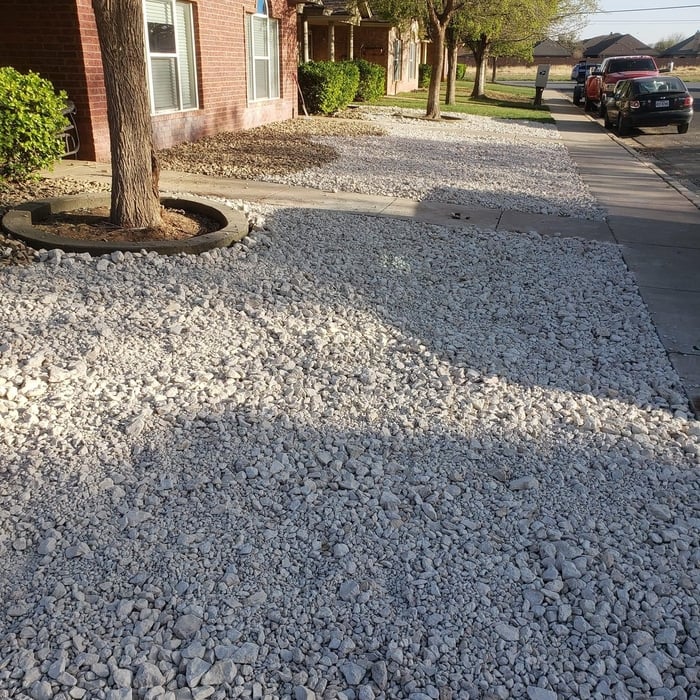
"Replaced sidewalk in front and added three rings around trees as promised The problem came because of lack of clean up and broken sprinklers Ben said he would come out and pick up rocks and concrete pieces left in yard and clean up edges of rings around trees, but that didn?t happen Ben said his sprinkler guy would call, but that didn?t happen Therefore, we have had to pick up before we could mow Then, we had to find and pay sprinkler repair person Still no follow up from Ben"
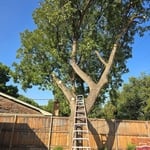
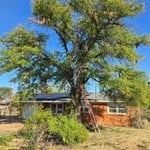
Tree trimming
Tree trimming
Tree trimming
Trimming bushes and cleaning flowerbeds
Rock work

+13

Response time4 hrs
173 neighbors recently requested a quote
Recommended by42%of homeowners

Showing 1-10 of 24
Deck Repair FAQs, answered by experts

It’s best to use two screws to secure deck boards into every joist. Securing the boards to every joist makes the deck more structurally sound, while using two screws on the outer sides of the boards can help prevent warping and cupping.

The proper and most comfortable height for a deck stair riser, also called a step, is between four and seven inches. A height of seven inches is often considered ideal for a strain-free step that minimizes the risk of trips and falls. While it is possible to have risers up to 12 inches, this height can be challenging for children, pets, or individuals with mobility issues. For optimal safety and comfort, pair a seven-inch riser with a tread depth (or run) of at least 10 to 12 inches. Always check your local building codes, as they may have specific requirements that differ from these general recommendations.

PVC decking can get slippery when wet because it’s made from plastic. However, composite and wood decking can also be slippery when wet. It’s best to wear shoes with grippy soles when walking on a wet deck, no matter the material, and to be extra cautious not to slip and fall down.

Ideally, a gate should be able to swing both in and out. However, if it can only open in one direction, it is generally best for it to swing inward. This is often the safest option, especially for deck gates near steps, as you'll want the gate to swing away from the stairs. An inward swing also prevents the gate from opening into a public space, like a sidewalk, and can be more convenient when carrying heavy items like a wheelbarrow into a garden.

There are exceptions, however. The layout of your property may require a different approach. For example, if your property is on a slope, the gate may not be able to swing inward. You should also ensure the gate can open fully without colliding with any objects or blocking access to other areas. For a backyard garden gate where public access isn't a concern, the direction it swings is largely a matter of personal preference. Finally, always check your local building codes, as they may have specific requirements for which way a gate must swing.

Rot loves moisture, so deck rot typically impacts the parts of a board that stay wet. This includes the underside of boards, in addition to support posts and joists. However, any part of a board can rot, given the right conditions. 

The Roby, TX homeowners’ guide to deck repair services

From average costs to expert advice, get all the answers you need to get your job done.