
There are several ways to dispose of excess sod, including building a compost pile, taking it to a green waste disposal facility, donating the sod, or reusing it in another part of your yard. It’s a good idea to check with your local municipality to see how to get rid of yard waste, as some areas have local regulations on what can go in the green waste bin. For example, your recycling services may reject too much soil added to green waste.
The most common alternative is burning the stump first, then dealing with the cinders and ashes. As you can imagine, this option creates fire hazards, especially since roots can burn underground, hidden, for long afterward. That’s why many states and cities have outlawed the use of stump burning entirely. We do not recommend this option as a viable alternative unless you get a permit from the local fire department and practice all safe burning procedures.
Others prefer a more long-term DIY approach of degrading the stump with home mixtures like Epsom salt and vinegar injected directly into it. This may help the stump decay faster, allowing homeowners to dig it out themselves, but it’s still a lengthy process. It usually takes months for a stump to start falling apart with such treatments, and in the meantime, it can be vulnerable to rot, insects, and other problems.
A thorn bush isn’t likely to do serious damage, but it’ll definitely hurt if you get a thorn or two in your hand or arm. When removing thorn bushes, always wear thick gloves, long sleeves, and safety goggles to protect against thorns and dirt. If dealing with larger bushes or unfamiliar terrain, consider enlisting a helper for assistance.
Using a leaf blower is often the easiest way to pick up leaves. It quickly and efficiently gathers leaves into manageable piles, requiring less physical effort than manual raking. Additionally, you can choose to bag the collected leaves or use a mulching mower to break them down into natural mulch, simplifying the cleanup process further.
You cannot put anything you want into a rented dumpster, as there are significant restrictions on certain items.
Generally allowed items include:
Household Junk: Furniture, old linens, carpets, toys, small appliances, and excess trash.
Construction & Yard Debris: Wood, yard debris, roofing materials, old finishes, and other construction waste.
Commonly prohibited items include:
Hazardous Materials: Toxic waste, medical waste, dangerous chemicals, items with lead paint, and asbestos.
Flammables: Gasoline, oil, and fuel.
Specific Banned Items: Paint cans, electronics, batteries, tires, refrigerators, and hot water tanks.
Because rules can vary, you should always check with your specific dumpster rental company for their guidelines if you are unsure about an item.
The Silverton, TX homeowners’ guide to brush chipping services
From average costs to expert advice, get all the answers you need to get your job done.
If your painted deck is less than appealing, it's time for a refresh. DIY your paint removal from your deck to enjoy your outdoor space for many seasons.
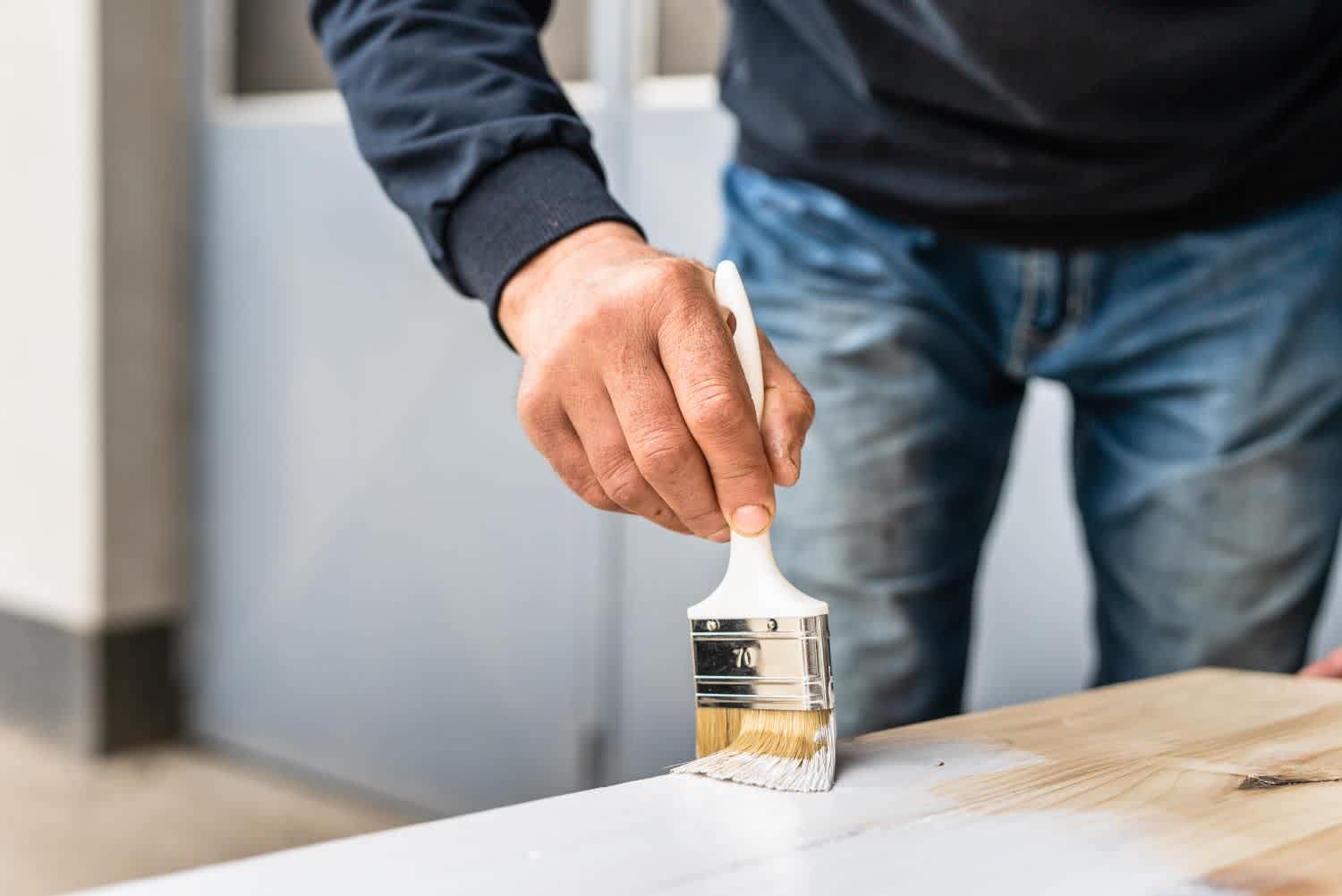
Cleaning the latex paint from your brushes is the easiest part of the entire painting process when you have the right tools and techniques. Find out how to clean your brushes like a professional painter with these three simple tips.

Revitalize your stainless steel with a fresh coat and color of paint. Find out how to paint stainless steel and create a new look for your appliances or countertops.