




Top-rated retaining wall installation pros.

Get matched with top retaining wall installation pros in Naples, TX

Enter your zip and get matched with up to 5 pros

Need a pro for your retaining wall installation project in Naples, TX?

Select your specific project to find the pro for you.

Find Retaining wall installation pros in Naples

Avatar for Y-2 Landscaping and Irrigation
Y-2 Landscaping and Irrigation
4.5(
5
)
Retaining Wall - Install

Serving Naples, TX and surrounding areas

In business since 2021

Free estimates

Credit card accepted

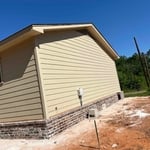
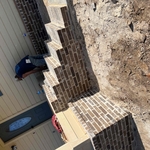
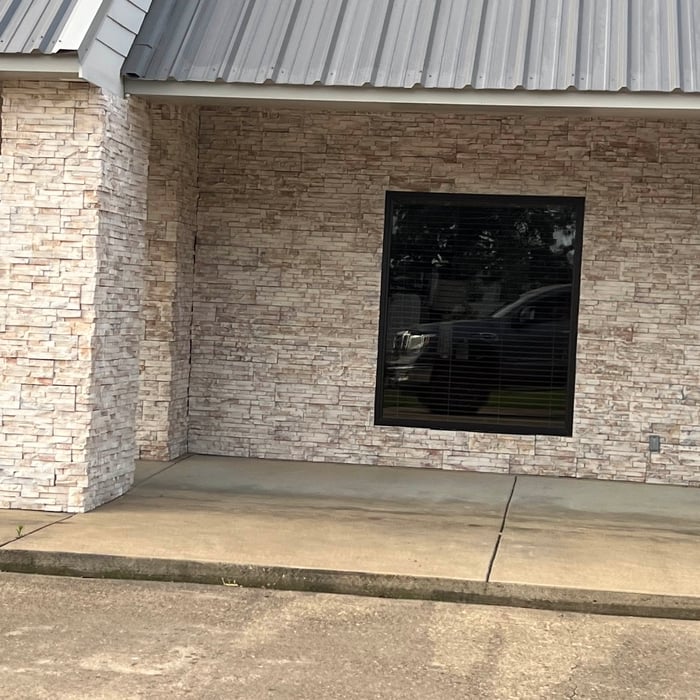
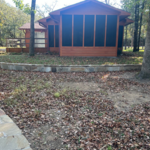
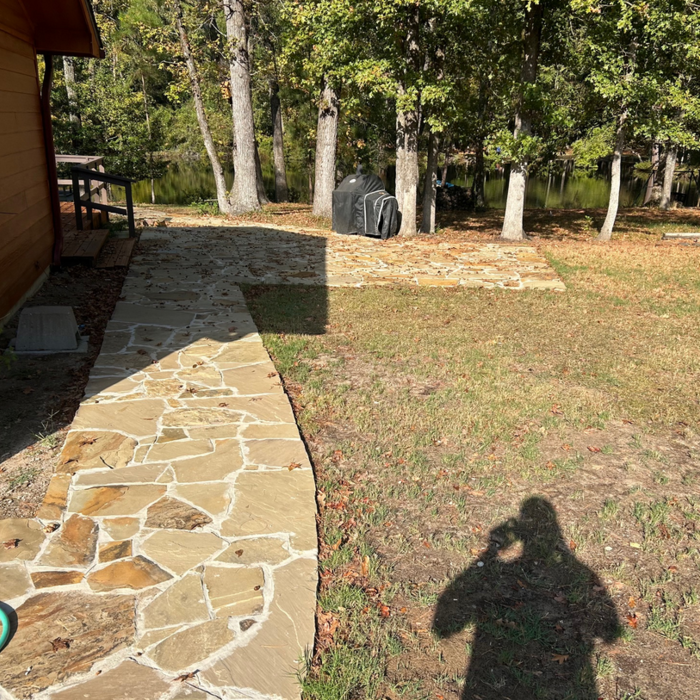
"We gave him a general idea of what we had in mind and he created 2 beautiful sidewalks and a very attractive flagstone retaining wall.We are going to use him in the future to install a sprinkler system.Easy to work with and very courteous"
Y-2 Landscaping and Irrigation

+6

Response time3 days
Recommended by80%of homeowners
Showing 1-10 of 19
Retaining Wall Installers questions, answered by experts

Sand and gravel are two suitable options for filling behind a retaining wall. If you’re building your own retaining wall, you’ll complete this part of the process—known as backfilling—after you finish laying the blocks. Make sure not to skip it—otherwise, you could wind up with drainage issues, which can cause your retaining wall to collapse.

Most railroad tie retaining walls have a life span of 20 to 30 years, though you may need to replace your wall sooner if it’s repeatedly exposed to heavy rain, runoff, and excess moisture. Railroad ties are typically treated with creosote, which makes them much more durable than untreated wood. Though they last longer, they don’t last forever. For the most longevity, make sure your retaining wall has a sturdy base and steel reinforcements. You should also install drainage to direct water away from the wall.

Through proper drainage solutions and compacting the foundation soil.

Generally, a railroad tie retaining wall consisting of a single line of ties should be between 3 and 4 feet tall—and the height often tops out at around 6 feet. You can go taller, but you may need additional footings and reinforcements, including a second layer of railroad ties to support the added weight of the soil it’s holding back.

Small retaining walls still require a foundation of some kind, typically a concrete footing. This helps to ensure the wall is structurally sound and prevents the ground from shifting over time, especially during those winter freeze/thaw cycles. The footing helps spread the weight of the wall and the load it carries over a larger area of the ground, thus assisting with stability. This is true of small retaining walls, larger rock garden walls, and the like. 

The Naples, TX homeowners’ guide to retaining wall installation services

From average costs to expert advice, get all the answers you need to get your job done.